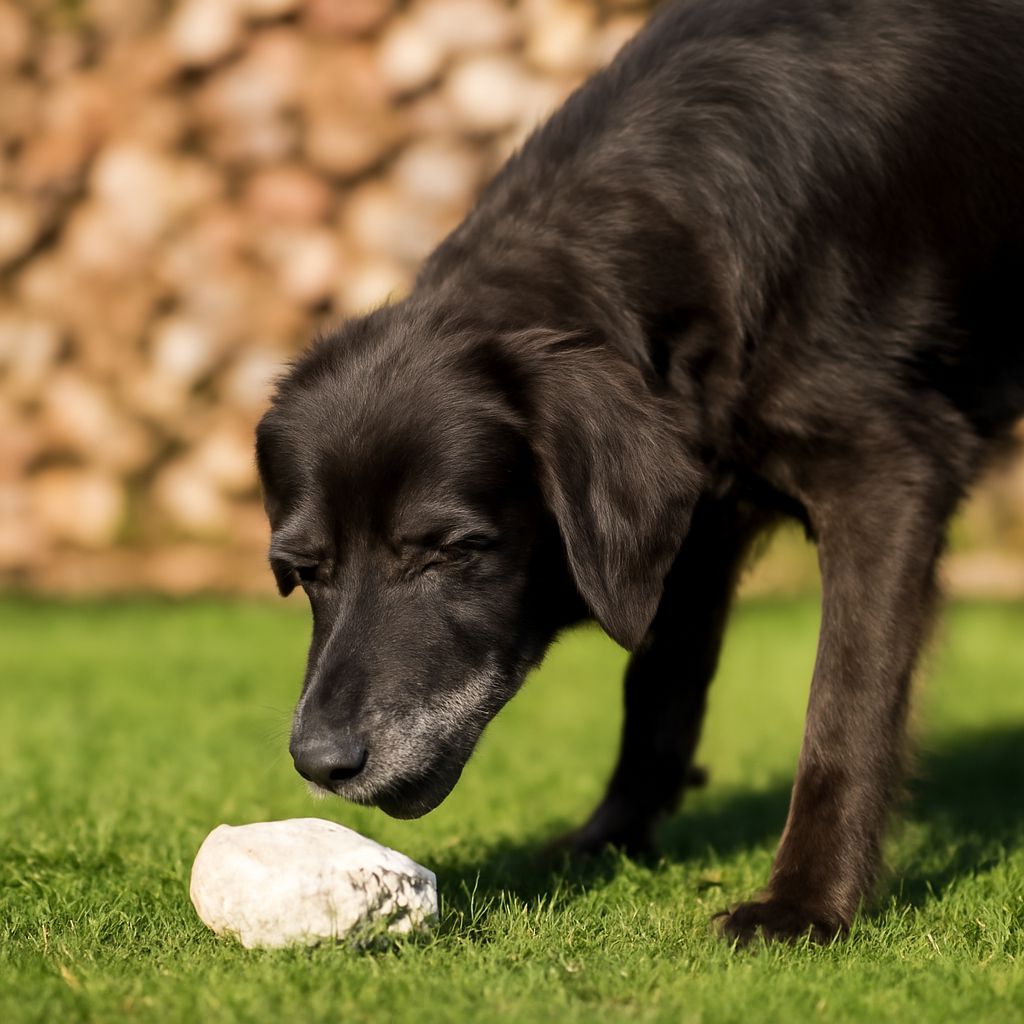
Your dog’s rock-eating habit may have puzzled you for some time. Understanding why your dog eats rocks is vital to addressing this behavior effectively. Contrary to popular belief, rock-eating is not always a sign of a simple behavioral quirk; sometimes, it signals underlying issues that need attention. So, why is my dog eating rocks? This question demands a closer look at various potential causes ranging from curiosity to health concerns. Let’s delve into the reasons behind your dog’s fascination with rocks and explore solutions to manage this peculiar habit.
What Causes Dogs to Eat Rocks?
Curiosity and Exploration
Dogs are naturally curious creatures, and their sense of exploration often leads them to examine and taste everything they find. This behavior can sometimes lead to your dog eating rocks, especially if they are young and still learning about their environment. Their keen interest in different textures and tastes can drive them to chew on rocks.
Nutritional Deficiencies
In some cases, if your dog eats rocks, it may be due to a lack of essential nutrients in their diet. Ensuring a balanced diet and consulting with a veterinarian about your pet’s nutritional needs can prevent this behavior caused by dietary insufficiencies.
Behavioral Issues and Anxiety
Behavioral issues or anxiety might also cause dogs to chew rocks. Dogs experiencing stress or boredom may resort to rock-eating as a means of coping. Providing mental stimulation and addressing any sources of stress can help alleviate this habit.
Medical Conditions
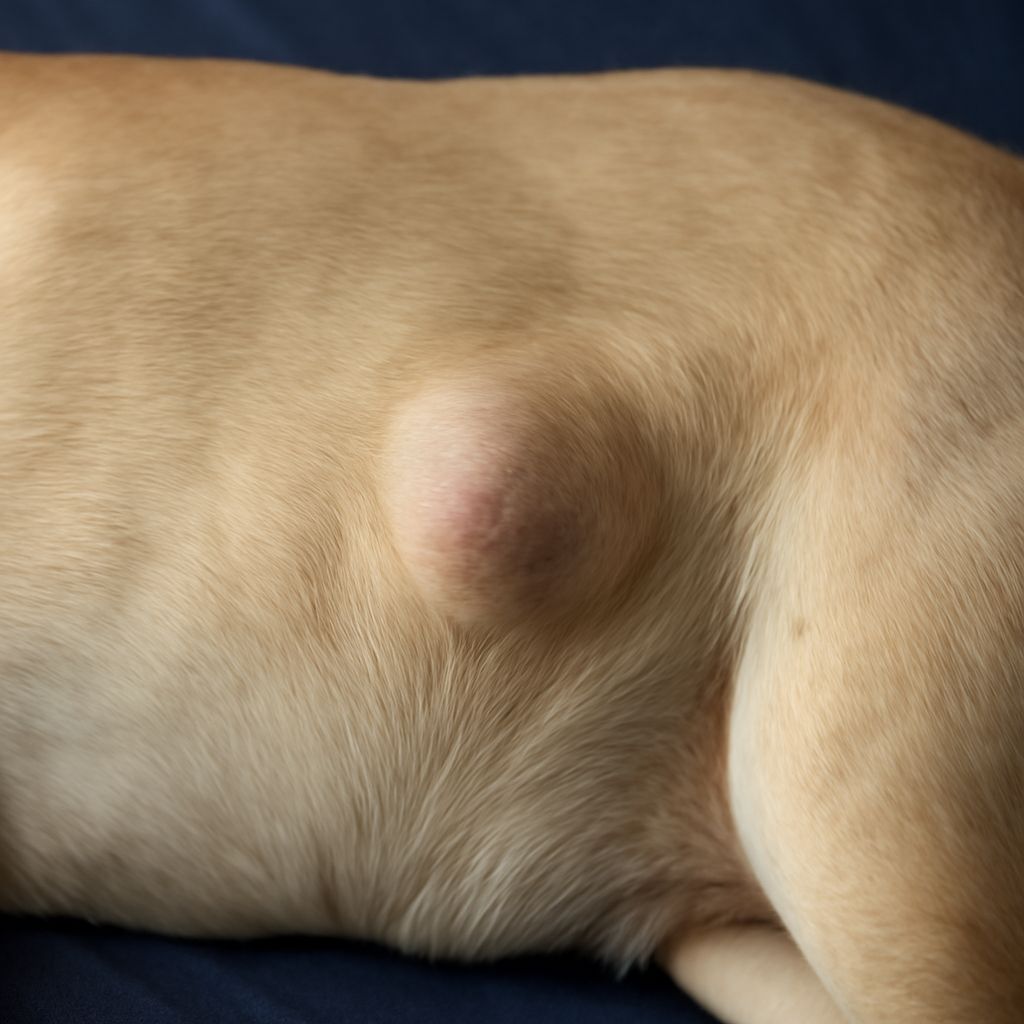
Certain medical conditions, such as gastrointestinal disorders, can drive dogs to eat rocks. If this behavior is persistent, it could be symptomatic of a health issue that requires prompt veterinary attention.
Is Eating Rocks Dangerous for Dogs?
Potential Health Risks
Eating rocks can pose serious health risks to your dog. Rocks can cause obstruction in the digestive tract, leading to severe complications such as vomiting or intestinal damage. Immediate action is necessary if your dog is prone to consuming rocks regularly.
Signs Your Dog Has Swallowed a Rock
Be observant of signs indicating your dog has swallowed a rock, such as frequent vomiting, lethargy, or changes in bowel movements. Consulting a veterinarian promptly is crucial if you notice these symptoms.
How Can I Stop My Dog from Eating Rocks?
Training and Redirection Techniques
Implement training techniques to redirect your dog’s attention away from rocks. Positive reinforcement and commands can effectively deter your pet from this behavior. Consistent training is key to preventing your dog from eating rocks.
Providing Safe Alternatives
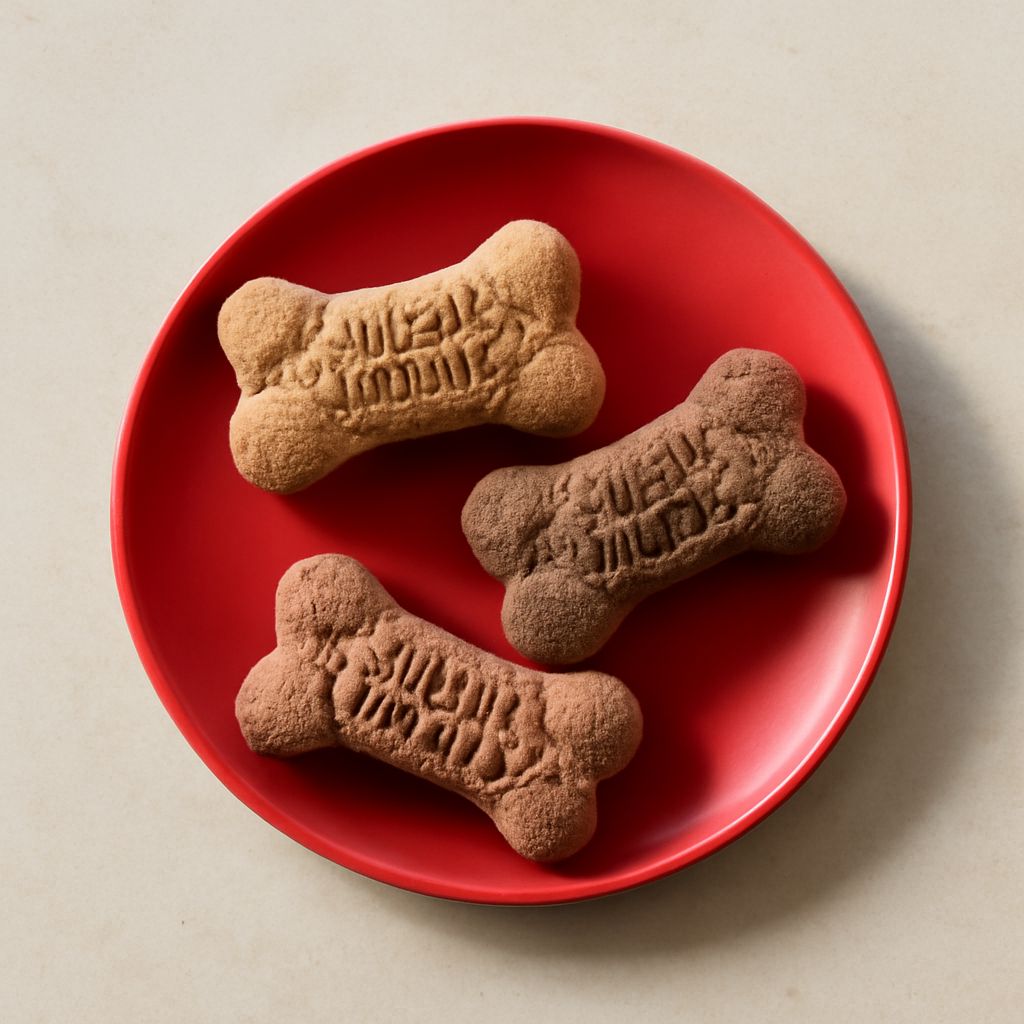
Providing your dog with safe chew toys can fulfill their desire to chew and explore, reducing their inclination towards rocks. Offering an alternative helps redirect their curiosity safely.
Consulting a Veterinarian
If the rock-eating continues despite intervention, it is advisable to consult a veterinarian. A professional can diagnose potential medical issues or recommend specialized training programs tailored to your pet’s needs.
Safety Recap: Always supervise your dog during outdoor activities to prevent them from accessing rocks. If tools are used for training or if your pet’s rock-chewing habit persists, consult a professional for guidance to ensure your dog’s health and safety.