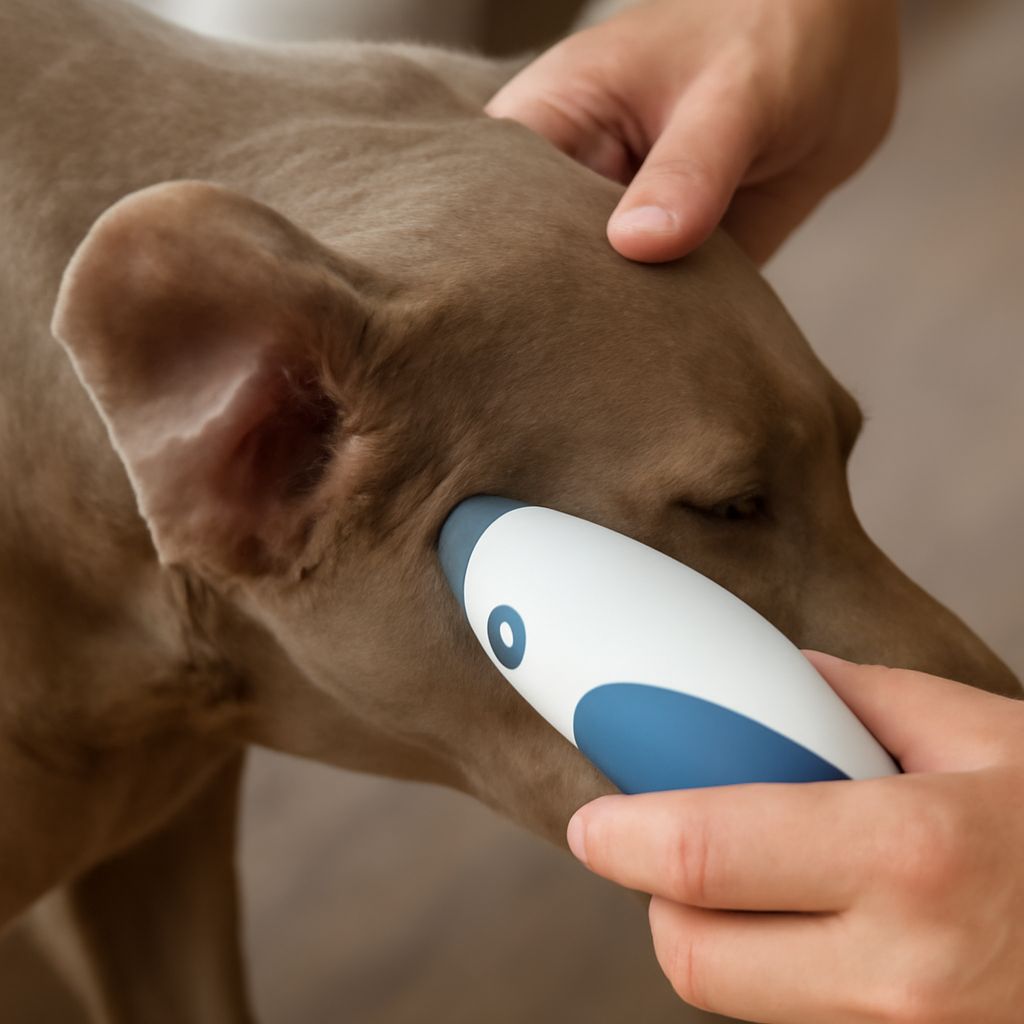
Many dog owners unknowingly overlook early symptoms of illness in their pets, mistaking them for normal behavior changes. Recognizing when a dog is sick is crucial for their health and well-being. By learning how to tell if a dog is sick and understanding the signs to watch for, you can ensure timely intervention and care. Let’s debunk the myth that dogs always show obvious signs when unwell and explore the subtle indicators that can help you determine whether your pet needs attention.
Understanding what signs your dog is sick can save your pet from unnecessary suffering. While some symptoms are more apparent, others might be easily dismissed. By identifying the changes in your dog’s behavior and physical state, you can take the necessary steps to provide appropriate care and consult a veterinarian if needed.
Recognizing Signs Your Dog is Sick
Behavioral changes to watch for
Changes in behavior can be the first telltale sign your dog is sick. Look for decreased activity levels, increased sleeping, or sudden aggression. A typically sociable dog becoming withdrawn or a calm pet suddenly displaying nervousness can indicate underlying health issues.
Physical symptoms to note
Physical symptoms are often more noticeable and can provide clues about your dog’s health. Pay attention to vomiting, diarrhea, or changes in appetite. If your pet is drinking more or less water than usual, this could also be a signal. Other physical signs include coughing, sneezing, or unusual discharge from the eyes or nose.
How to Tell if a Dog is Sick
Common symptoms indicating illness
To determine if your dog is sick, observe for common symptoms like lethargy, persistent cough, or unusual lumps. Shivering or excessive panting without cause can also be indicative. Monitor changes in weight or coat condition, as these could reflect internal health problems.
When to consult a vet
Consult a veterinarian if you notice any severe or persistent symptoms. Rapid changes in weight, continuous vomiting or diarrhea, or any signs of pain warrant professional attention. Early detection and intervention are vital to prevent more serious issues from developing.
Steps to Take if Your Dog is Sick
Immediate actions to help your pet
If you suspect your pet is unwell, ensure they have a comfortable and quiet place to rest. Provide access to clean water and monitor their food intake. Adjust their diet if necessary, but consult a vet before making significant changes.
Preventive measures for the future
Prevention is key to maintaining your dog’s health. Regular veterinary check-ups, a balanced diet, and adequate exercise can prevent many common illnesses. Stay informed about your pet’s specific breed-related health risks and vaccinations that could protect against diseases.