When it comes to caring for your dog, many myths surround skin conditions. Some believe that seborrhea in dogs is simply a matter of poor hygiene. However, the reality is far more complex. Dog seborrhea, which affects the skin, is not merely about cleanliness but often involves underlying health issues. Utilizing the right seborrhea dog shampoo can make a world of difference in managing this condition.
Another common misconception is that seborrheic dermatitis and contact dermatitis in dogs are the same. While both involve the skin, they have different causes and treatments. Understanding these conditions is crucial for effective management and ensuring your pet’s comfort.
What is Seborrhea in Dogs?
Seborrhea in dogs is a skin disorder characterized by the excessive production of sebum, which leads to oily skin and dandruff-like flakes. This condition can affect any breed and age of dog, presenting as either dry or oily. The increased sebum can lead to secondary infections if not treated promptly.
Causes and Symptoms of Dog Seborrhea
The causes of seborrhea in dogs can be primary or secondary. Primary seborrhea is a genetic condition, while secondary seborrhea is often caused by underlying issues such as allergies, hormonal imbalances, or nutritional deficiencies. Symptoms include flaky skin, redness, and an unpleasant odor. It’s important to address these signs early to prevent complications.
How to Treat Seborrhea Dog with Shampoo
Treating dog seborrhea effectively often involves the use of medicated shampoos. A seborrhea dog shampoo can help manage symptoms by cleansing the skin and reducing bacteria and yeast overgrowth. Regular bathing with these shampoos, as per a veterinarian’s guidance, is essential to control the condition and improve your dog’s skin health.
Understanding Dog Seborrheic Dermatitis
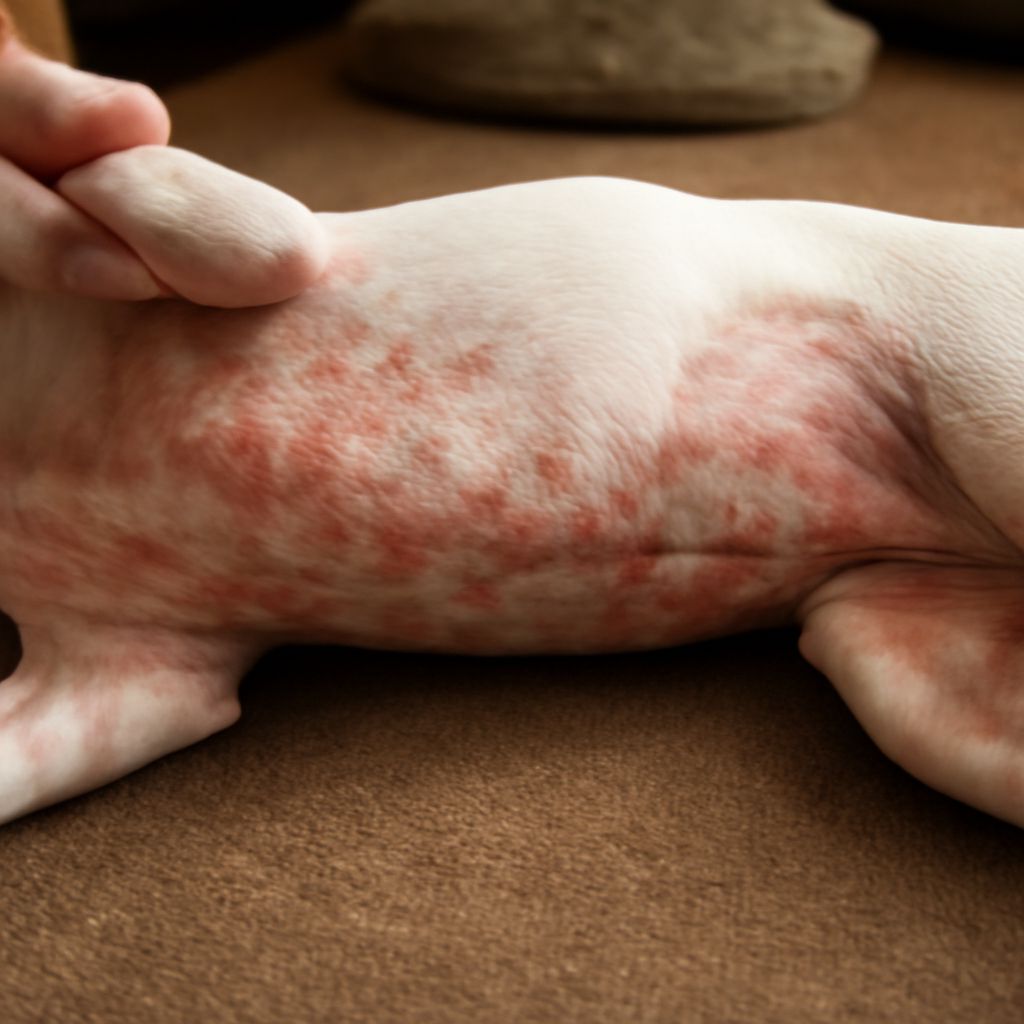
Seborrheic dermatitis in dogs is an inflammation of the skin that often accompanies seborrhea. It is characterized by itchy, flaky patches that can lead to discomfort and secondary infections if not managed. The use of soothing emollients and medicated baths can provide relief and improve the skin’s condition.
How Does Dog Contact Dermatitis Differ?
Contact dermatitis in dogs differs from seborrheic dermatitis as it is caused by direct irritation from substances like chemicals or plants. Symptoms include localized redness and itching. Treatment usually involves removing the irritant and applying soothing treatments to the affected areas.
Best Practices for Bathing Dogs with Skin Conditions
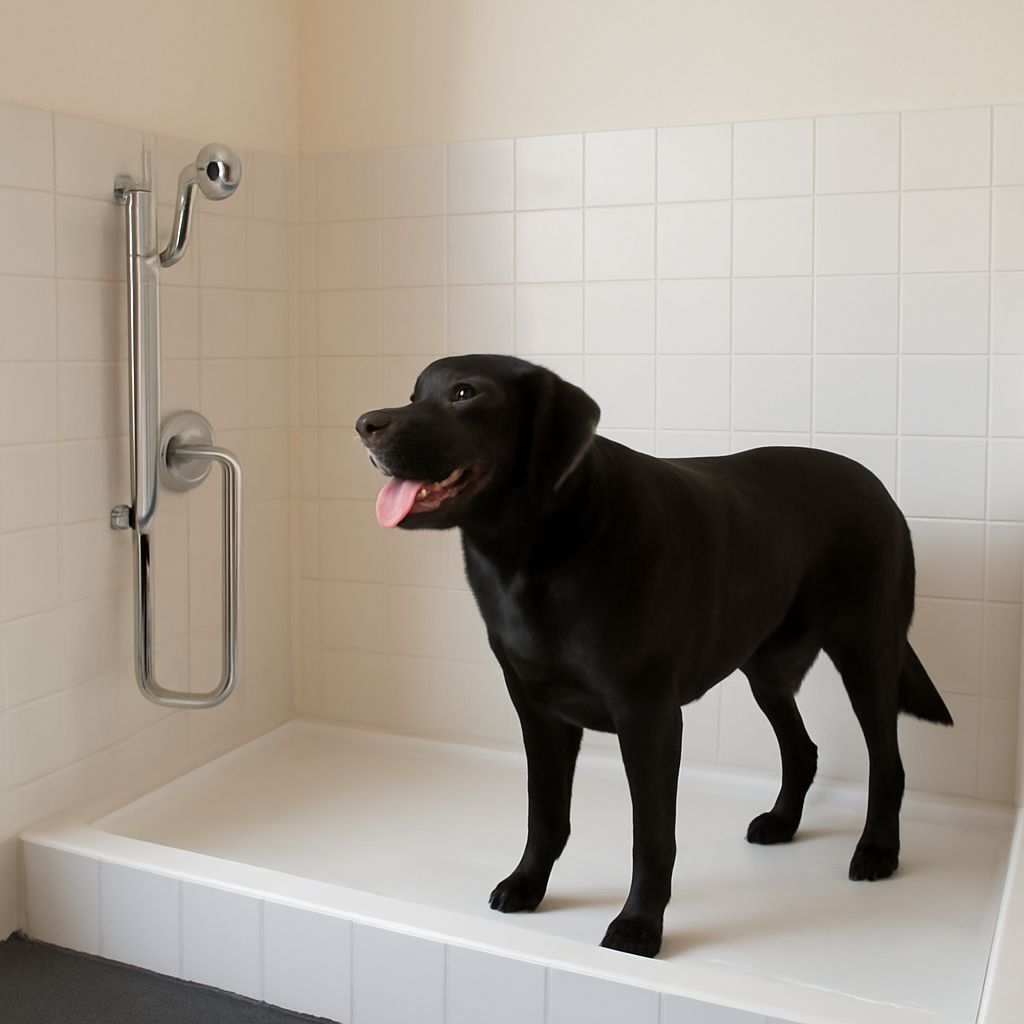
Bathing practices for dogs with skin conditions like seborrhea should be gentle yet effective. Use lukewarm water and a medicated shampoo recommended for the specific condition. Avoid harsh scrubbing, which can worsen irritation. It is advisable to seek the advice of a licensed stylist for severe cases or when dealing with complex skin conditions.
After bathing, ensure your dog is thoroughly dried to prevent moisture-related infections. Maintain a regular bathing schedule to manage the skin condition effectively, and always follow the guidance of your veterinarian when incorporating new treatments or products.