Dog Limping After Running: Causes, Assessment, and When to See a Vet
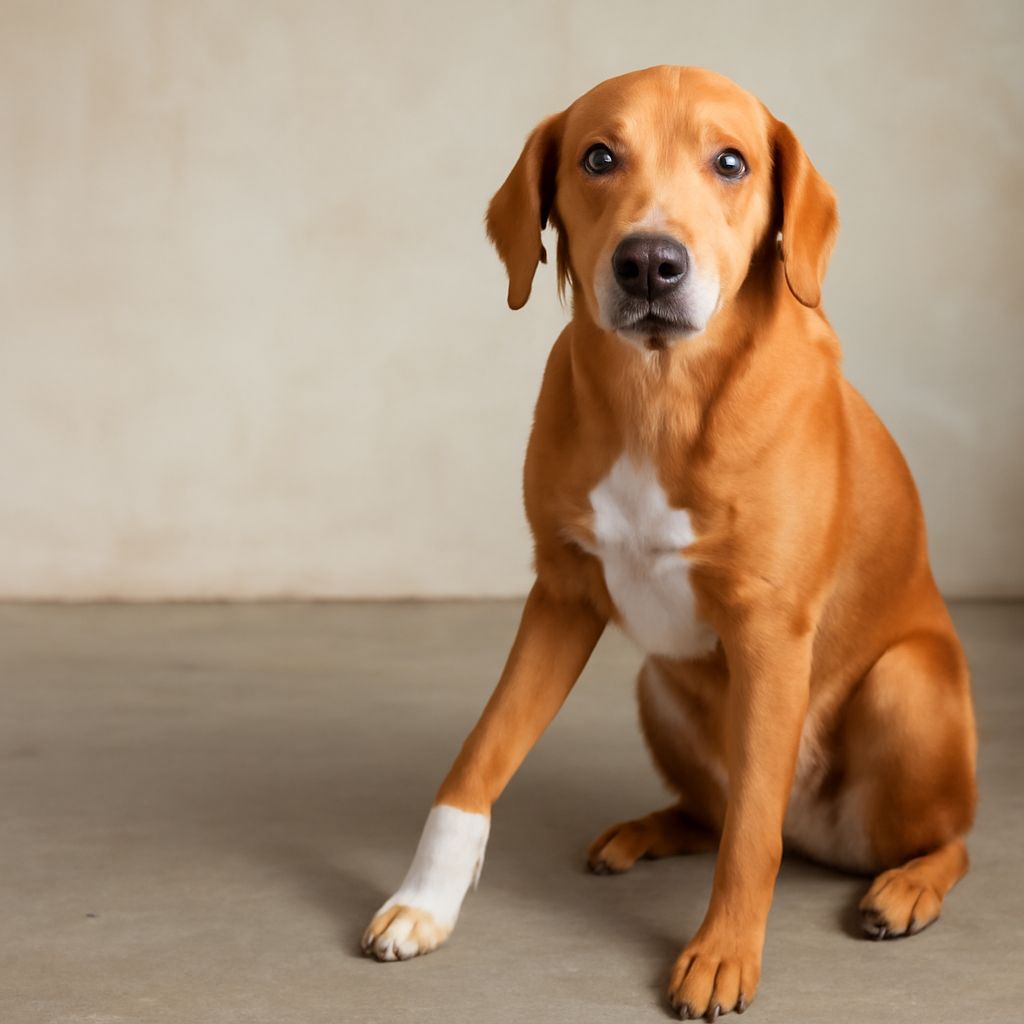
Dog limping after running is a presentation that ranges from self-resolving minor muscle fatigue to acute orthopedic injury requiring immediate veterinary attention — the distinction is not always obvious in the first hour. Knowing what to do if your dog is limping starts with honest observation: is the dog weight-bearing, partially weight-bearing, or completely non-weight-bearing on the affected limb? Dog limping back leg after running most commonly involves the stifle (knee), hip, or iliopsoas muscle — the structures that absorb the highest mechanical load during acceleration and directional changes. Dog limping on and off over multiple days rather than resolving within 24 to 48 hours indicates an issue that warrants veterinary examination rather than continued observation. The phrase “my dog won’t put weight on his back leg” describes the most urgent presentation — complete non-weight-bearing is a clinical indicator of significant structural injury or severe pain.
Common Causes of Limping After Running
Soft Tissue Injuries
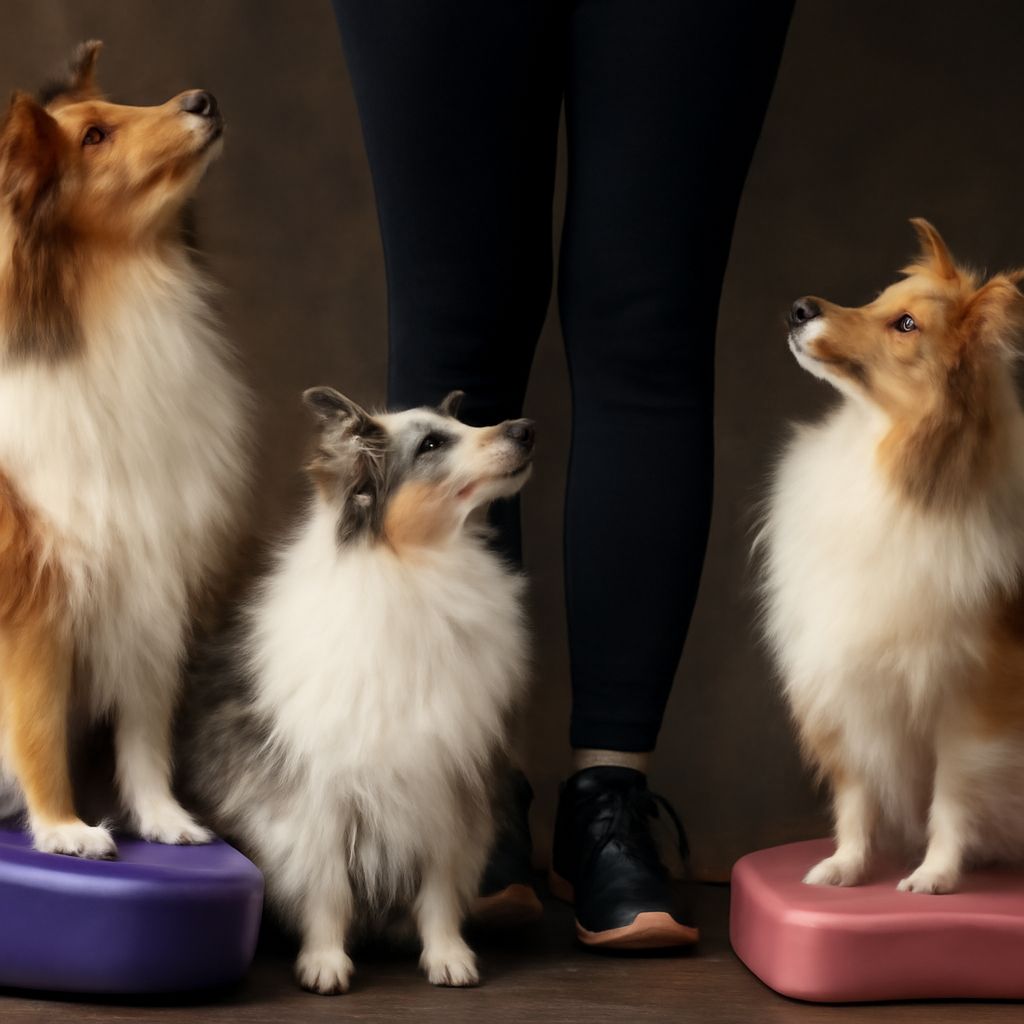
Muscle strains and ligament sprains are the most frequent causes of post-exercise limping in active dogs. The iliopsoas muscle, which runs from the lumbar spine to the femur, is a common injury site in dogs that perform repetitive jumping, agility, or flyball activities. Iliopsoas strain produces hind limb lameness that worsens after rest and improves slightly with gentle warming up — a pattern that differentiates it from joint disease. Paw pad lacerations, interdigital cysts, and foreign bodies embedded in the paw are also common post-run causes that owners can assess with a brief visual inspection.
Joint and Orthopedic Injuries
Cranial cruciate ligament (CCL) rupture is one of the most common orthopedic injuries in dogs. Partial tears produce intermittent limping that worsens with exercise; complete rupture causes sudden severe lameness. The stifle joint becomes unstable and progressive arthritis develops rapidly without surgical stabilization. Patellar luxation — kneecap displacement — is another cause of sudden hind leg lameness, more common in small breeds but occurring across all sizes. Hip dysplasia in large breed dogs causes progressive hind limb lameness that worsens with exercise and cold weather.
What to Do If Your Dog Is Limping After Running
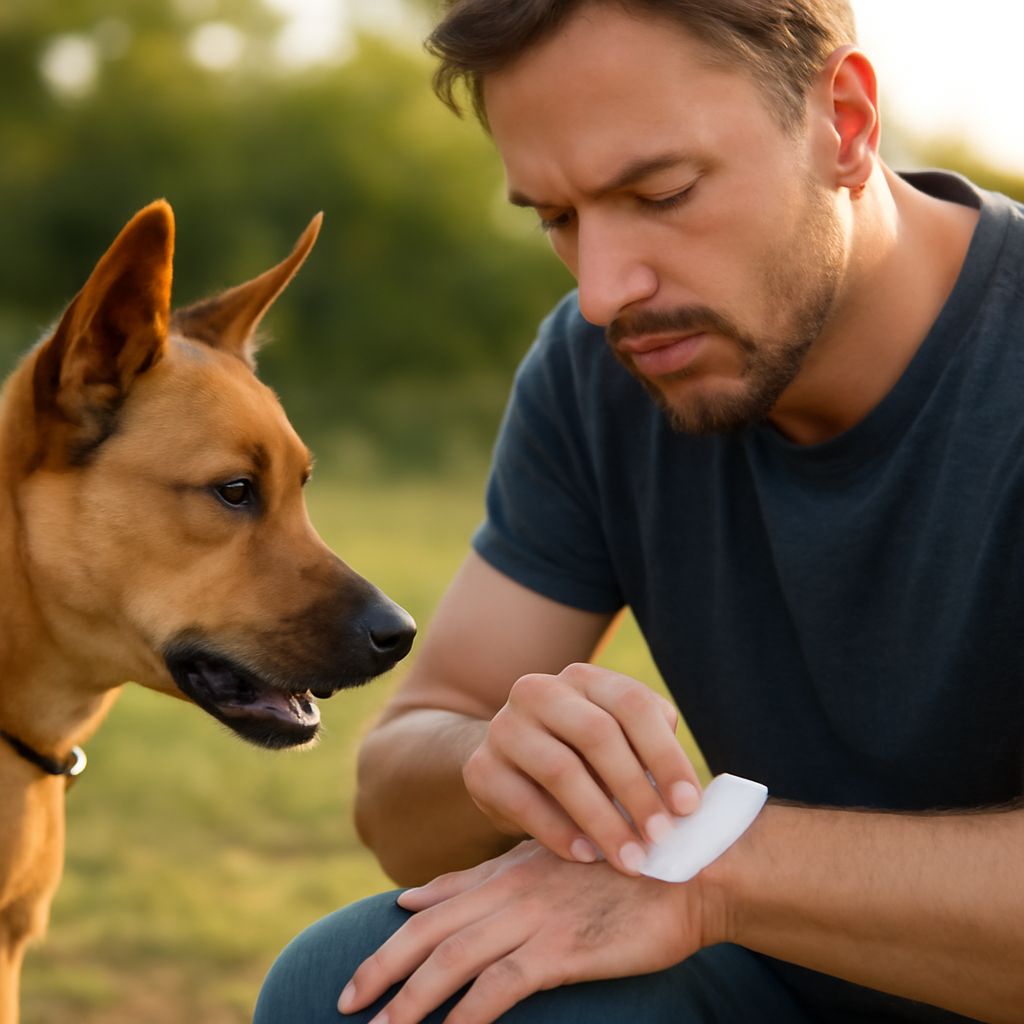
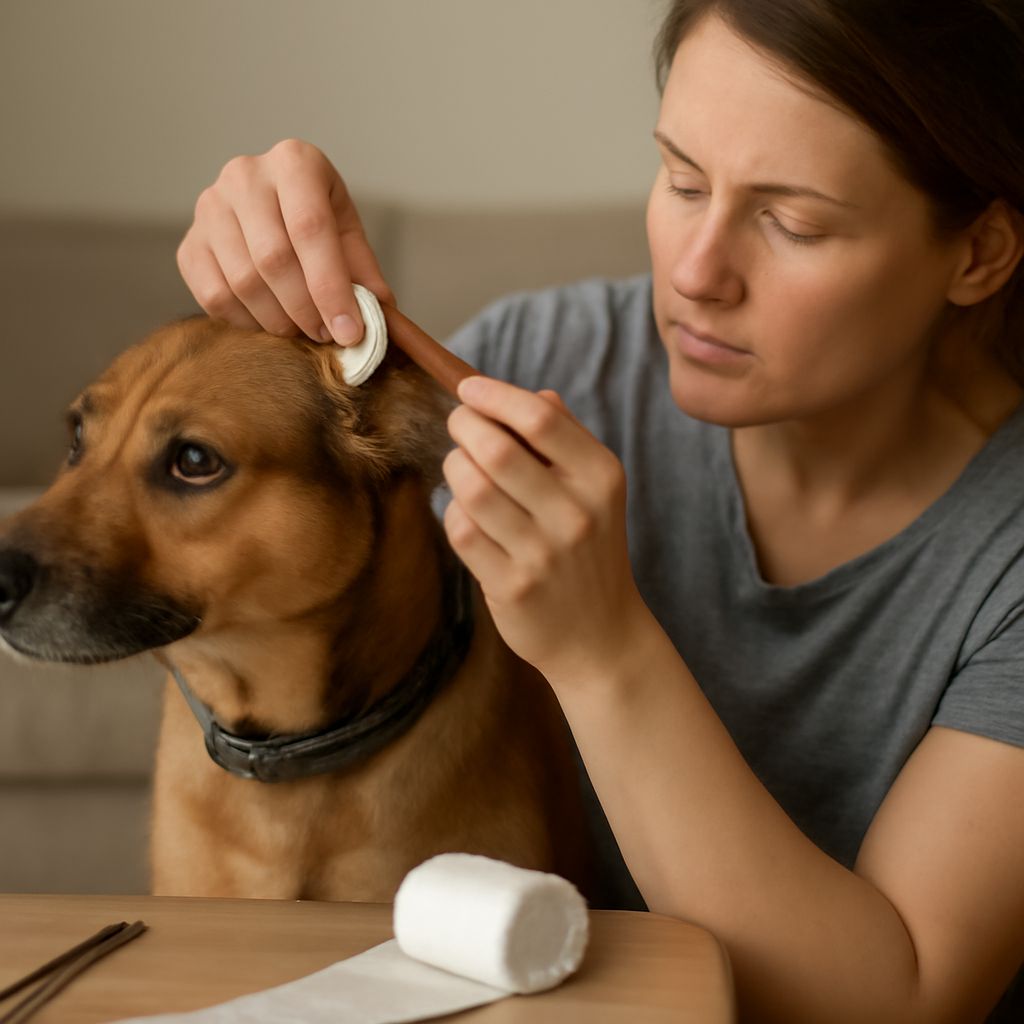
The initial response to post-run limping is rest — cease all exercise and prevent jumping. Inspect the paw pads, nails, and interdigital spaces for obvious injury. If the dog is bearing some weight and the limping is mild, 24 to 48 hours of rest with ice applied for 10 minutes every few hours may resolve minor muscle fatigue or mild soft tissue strain. Do not administer human NSAIDs such as ibuprofen or naproxen — these are toxic to dogs. Veterinary-prescribed pain management is available for dogs confirmed to need it by examination.
Seek veterinary care immediately if: the dog is completely non-weight-bearing, swelling or heat is visible in a joint, the limping worsens despite rest, or there is an obvious deformity. Seek care within 24 hours if: mild limping does not improve after 24 hours of rest, the dog shows signs of pain during routine movement, or the limping is recurring and episodic.
Key takeaways: Post-run limping ranges from minor muscle fatigue to serious orthopedic injury. Complete non-weight-bearing requires same-day veterinary evaluation. Never give human pain relievers to a limping dog — consult a veterinarian for appropriate pain management.