Dog Bite Force Chart, Strongest Biting Breeds, and Bites From Snakes and Centipedes
A dog bite force chart is a frequently circulated piece of content that requires careful interpretation — the numbers presented are often rough estimates based on small sample sizes rather than rigorous laboratory measurement. Strongest dog bites are typically attributed to large mastiff-type breeds including the Kangal, Rottweiler, and American Bandogge, but individual variation within breeds is significant and behavioral context matters far more than bite force in most bite incident analyses. A garter snake bite on a dog is a non-venomous incident — garter snakes are harmless to dogs in terms of toxicity, though the bite site may cause minor local irritation. The strongest bite in the dog world relates to protective breeds developed for livestock guarding, where bite force was historically a functional selection criterion. A centipede bite on a dog involves the venom injected by the centipede’s modified front legs — reaction severity depends on the centipede species, the dog’s size, and individual sensitivity.
Dog Bite Force: What the Data Actually Shows
Measuring Bite Force in Dogs
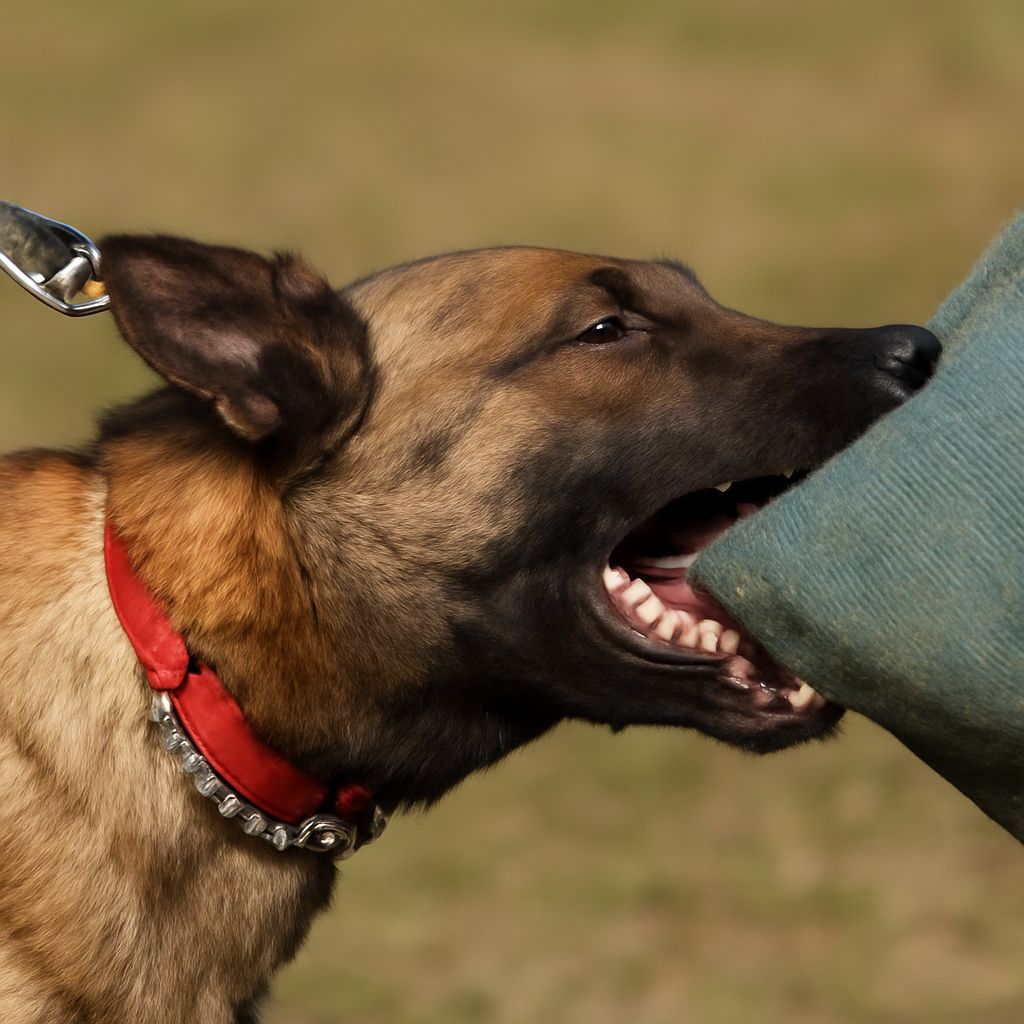
Bite force is measured in pounds per square inch (PSI) or Newtons. Published figures for domestic dogs range from roughly 150 PSI for smaller breeds to measurements exceeding 700 PSI reported for guardian breeds. The methodology behind many widely shared bite force numbers is not peer-reviewed — measurements obtained voluntarily from trained dogs performing bite work on force plates differ significantly from what a dog would produce under defensive conditions. The bite force chart context matters: a number without behavioral context tells you little about real-world risk.
Breeds Cited in Bite Force Charts
Kangal dogs from Turkey are frequently cited as having the highest measured bite force among domestic breeds — figures of 743 PSI appear in multiple sources, though measurement methodology varies. Rottweilers, Mastiffs, and Cane Corsos follow in most listings. These breeds were developed for tasks requiring sustained gripping force — livestock protection, estate guarding, and hunting large game. Bite inhibition in well-trained individuals of these breeds is excellent; raw bite force potential is not equivalent to aggression risk.
Garter Snake Bite on a Dog: Assessment and Care
Garter snakes are among North America’s most common non-venomous snake species. A garter snake bite on a dog produces two small puncture marks and possibly minor local swelling or redness. No antivenom or emergency treatment is required. Clean the bite site with saline or mild antiseptic solution and monitor for signs of infection — redness spreading beyond the bite, warmth, or discharge — over the following 24 to 48 hours. A veterinarian should evaluate any snake bite where species identification is uncertain, as distinguishing a garter snake from a similarly sized venomous species is not always straightforward in field conditions.
Centipede Bite on a Dog: Venom and Response
Centipede venom varies significantly by species. Common house centipedes produce minimal reaction in dogs; giant desert centipedes (Scolopendra heros) found in the American Southwest inject venom that can cause significant local pain, swelling, and systemic signs including vomiting and lethargy. Small dogs are at greater risk of systemic effects than large dogs due to the ratio of venom volume to body mass. Monitor closely for 4 to 6 hours after a suspected centipede bite — a veterinarian should evaluate any dog showing signs beyond mild local irritation.
Key takeaways: Bite force charts are estimates, not absolutes; treat them as rough comparisons rather than precise measurements. Garter snake bites require basic wound care only. Centipede bites range from negligible to significant depending on species — veterinary consultation is appropriate for small dogs or severe reactions.