The term dragon pets usually refers to bearded dragons, blue-tongued skinks, or similar reptiles, not amphibians. This distinction matters because reptiles and amphibians have different care requirements, and mixing them up leads to poor husbandry decisions. Cutest pets lists online frequently group frogs, salamanders, and lizards together, but amphibian pets require moist environments and are far more sensitive to environmental toxins than most reptiles. Pet amphibians absorb substances through their skin, which means even hand lotion transferred from touching the tank glass can cause harm. If you are choosing best amphibian pets for a home setup, understanding this baseline biology prevents the most common mistakes.
Another widespread assumption is that amphibians are low-maintenance starter pets. They are often easier to house than large reptiles, but their water quality, humidity, and temperature needs are more precise than those of a dog or cat.
Popular Dragon-Like and Amphibian Pets for Home Keepers
Bearded Dragons
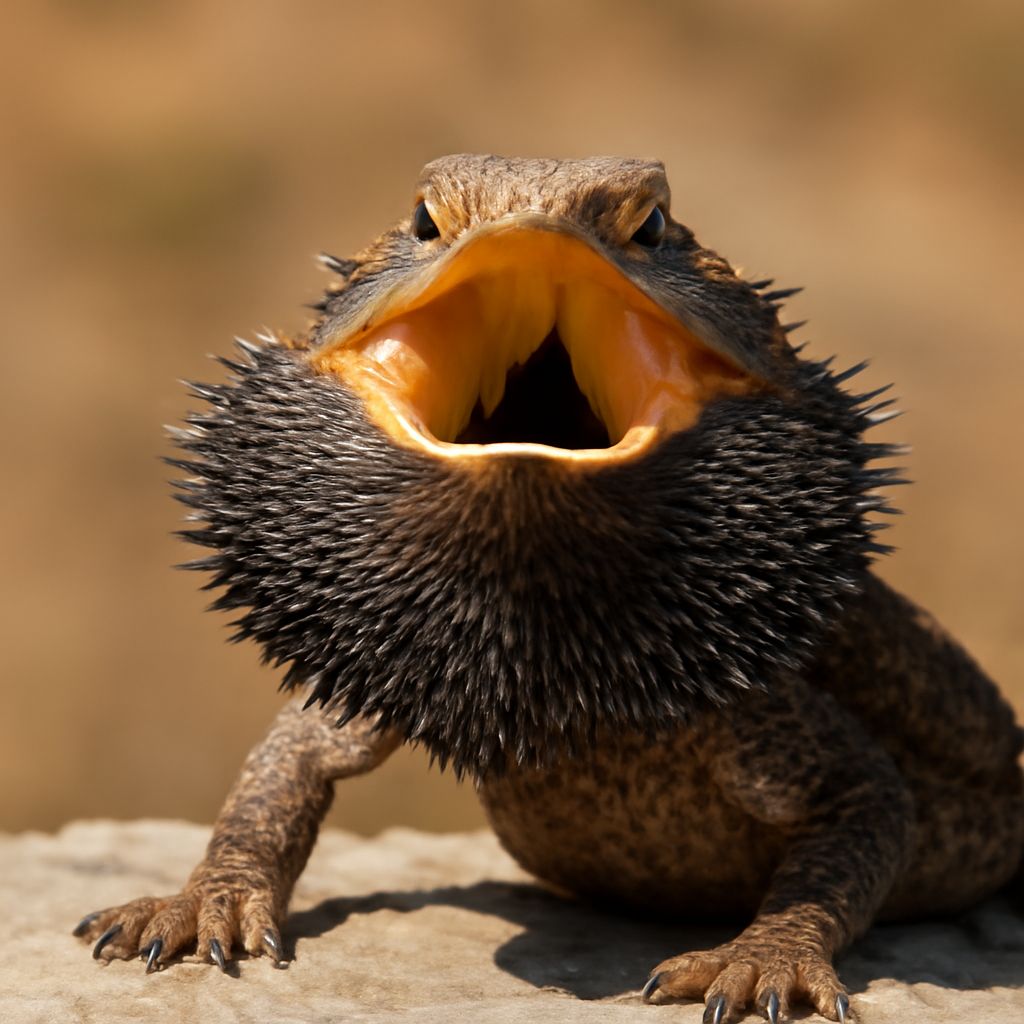
Bearded dragons are the most commonly kept “dragon” reptiles in home collections. They are diurnal, tolerate handling reasonably well, and eat a mixed diet of insects and leafy greens. A 40-gallon enclosure with a basking spot at 100 to 110 degrees Fahrenheit and a cool side at 80 degrees suits adults. UVB lighting is non-negotiable for calcium metabolism.
Crested Geckos
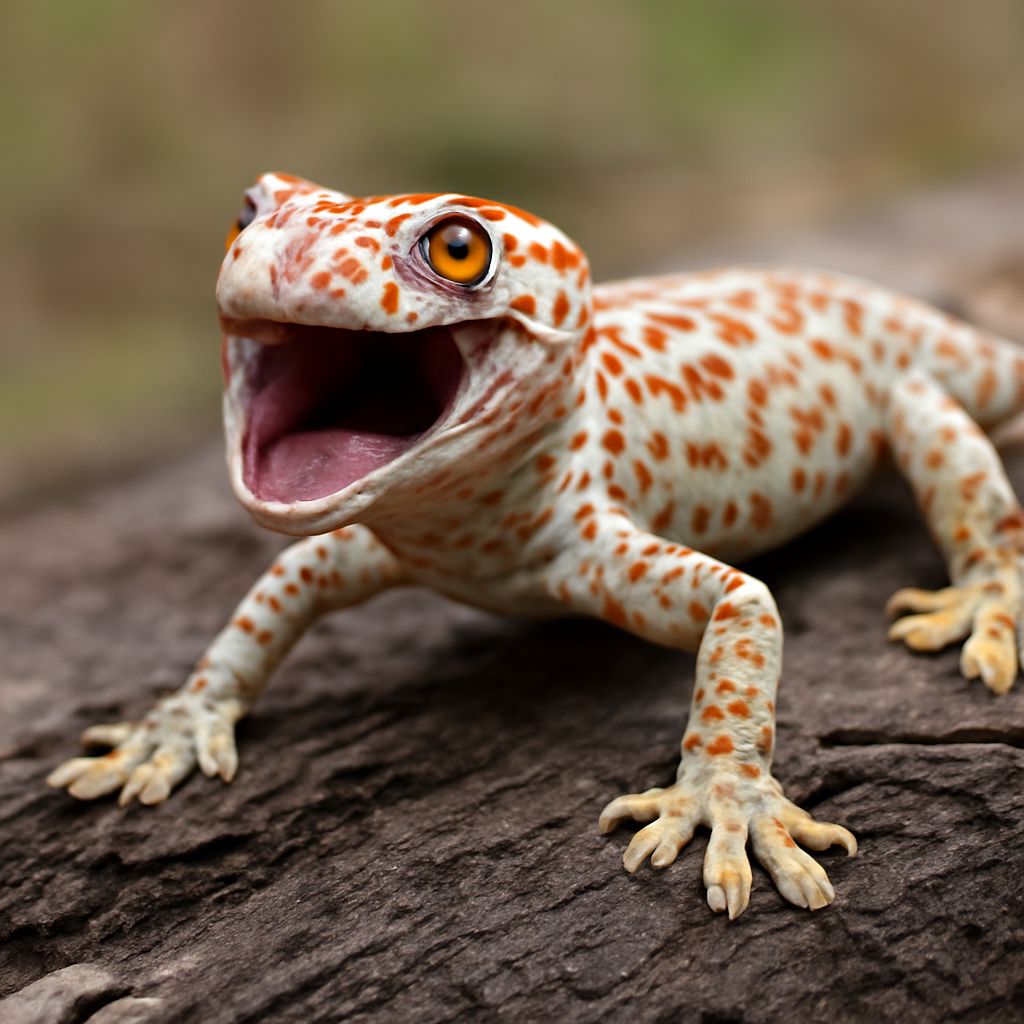
Crested geckos have a dragon-like silhouette with their prominent crests and wide eyes. They are nocturnal and do not require basking heat, making them one of the more manageable lizard species for beginners. Room temperature between 72 and 78 degrees works for most setups, though they still need proper humidity around 60 to 80 percent.
Best Amphibian Pets for Beginners Among amphibians kept as pets, the White’s tree frog and the American green tree frog are good starting points. Both tolerate moderate handling better than most frogs and adapt to captive diets of gut-loaded crickets. The axolotl is another popular amphibian choice. It stays fully aquatic throughout its life, which simplifies the enclosure design, though water temperature must stay between 60 and 68 degrees Fahrenheit to prevent stress and disease.
Fire-Bellied Toads
Fire-bellied toads are semi-aquatic and display vivid orange and black patterning on their undersides. They are hardy, active during the day, and eat readily. Their toxin secretions are mild but still mean you should wash hands after handling. They do well in groups, which makes the tank more visually active.
Setting Up a Safe Enclosure
The most important principle for housing any pet amphibian is barrier control between you and the animal. Always wash hands before and after contact. Use dechlorinated water or reverse-osmosis water for amphibian tanks, since chlorine and chloramine in tap water damage gill and skin tissue over time.
Substrate choice affects humidity retention and waste management. Coconut fiber and sphagnum moss hold moisture well and support natural burrowing behaviors. Avoid gravel or sand substrates for most frog and salamander species, as ingestion during feeding causes intestinal blockages.
Key takeaways: Dragon pets and amphibians occupy different biological categories with different care needs. The best amphibian pets for beginners include White’s tree frogs and axolotls, both of which have manageable setups. Skin sensitivity and water quality are the two factors that most often determine whether pet amphibians thrive or decline in captivity.