Mudskipper Pet and Other Exotic Animals: What You Need to Know Before Owning One
The mudskipper pet trade has grown steadily among aquarists who want something genuinely different, but these amphibious fish require specialized semi-terrestrial enclosures that most hobbyists underestimate. Pet skunk colors range from the classic black-and-white to lavender, chocolate, and champagne — a diversity that drives demand, though legal ownership requires checking pet skunk legal states restrictions before purchase. The idea of a pet giraffe captures the imagination, but ownership involves land requirements and regulatory approvals far beyond what most private individuals can realistically meet. A pet zoo designation for a private collection also carries licensing obligations under federal and state law. Understanding what each of these animals actually requires before pursuing ownership separates responsible exotic keepers from those who create welfare crises.
Mudskippers as Pets: Setup, Care, and Commitment
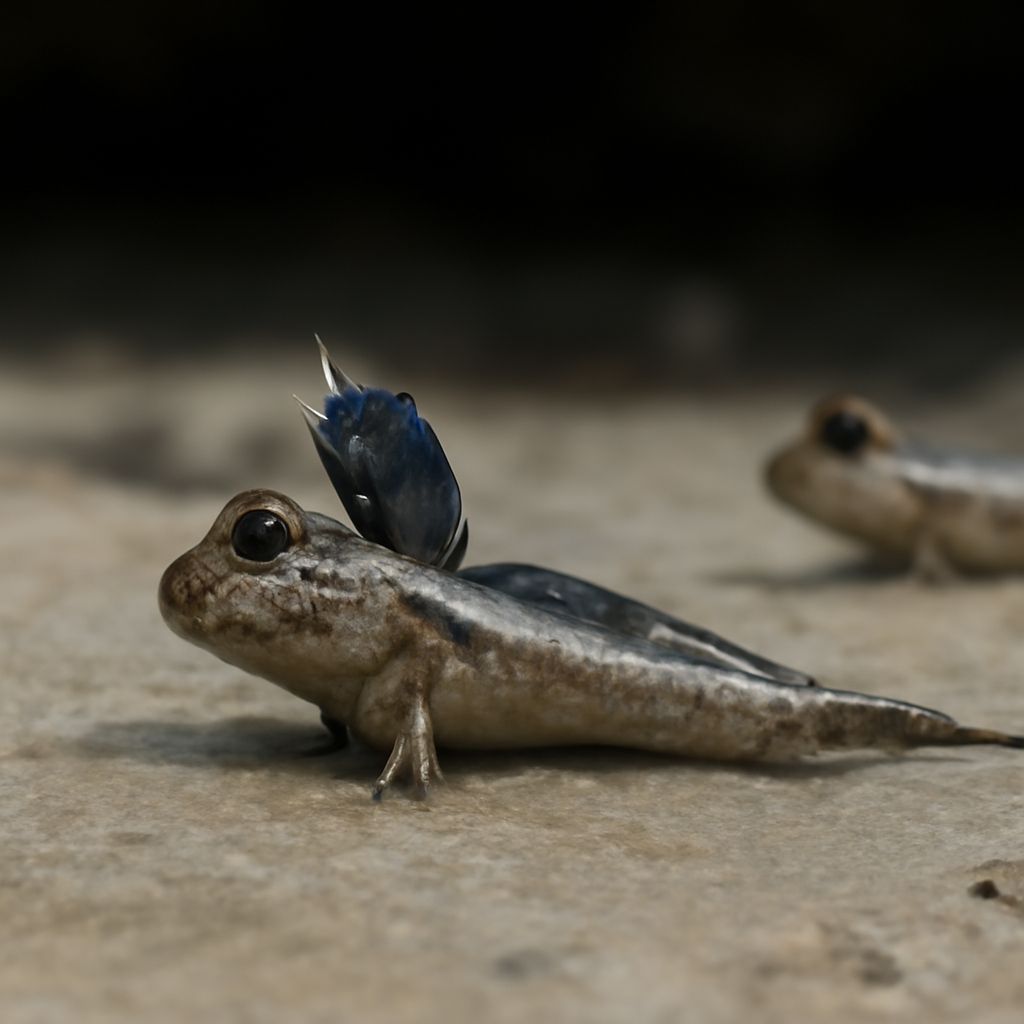
A mudskipper fish kept as a pet needs a paludarium — a half-land, half-water enclosure — with a precise salinity gradient, tropical temperatures, and high humidity. These fish breathe through their skin and gill chambers, spending extended periods on land, which means the terrarium portion must be accessible, damp, and well-structured. Mudskipper fish are carnivores that eat live or frozen invertebrates; they will not thrive on flake food. Social dynamics among mudskippers are complex — males are territorial and will fight, so tank sizing and environmental enrichment are critical. Despite the commitment, a well-maintained mudskipper habitat is one of the most visually striking aquarium setups a dedicated keeper can achieve.
Pet Skunks: Colors, Legality, and Daily Reality
Domestic skunks available as pets have been descented and selectively bred for color mutations including solid white, apricot, and brown. The range of skunk color varieties appeals strongly to collectors, but pet skunk regulations vary dramatically by jurisdiction. States that permit skunk ownership typically require rabies vaccination documentation and USDA-compliant housing. In states where skunks are prohibited, no amount of documentation will make ownership legal — verify local statutes before purchasing or adopting. Skunks are intelligent, social animals that bond strongly to their owners but demand significant interaction and enrichment to remain psychologically healthy.
Exotic Large Animals: Giraffes and Private Zoo Licensing
Owning a pet giraffe in the United States requires compliance with USDA Animal Welfare Act licensing, species-specific enclosure standards, and in most cases state wildlife permits. Giraffe ownership is not categorically illegal in all states, but the infrastructure requirements — minimum acreage, specialized shelter, and a herd-appropriate social environment — make private giraffe keeping feasible only for large, well-resourced facilities. Operating a private animal collection that qualifies as a zoo involves exhibitor licensing, regular inspections, and veterinary care protocols that exceed what most private owners can sustain.
Bottom line: Exotic pet ownership requires legal research, habitat investment, and long-term commitment that extends well beyond the novelty of the animal. Consult a veterinarian specializing in exotic species and review your state’s wildlife regulations before pursuing any non-traditional pet.