Pet Name Ideas That Actually Fit Your Dog’s Personality
Choosing a pet name is one of the first decisions you make as a new dog owner, and it matters more than most people think. A name your dog recognizes easily, typically two syllables ending in a vowel sound, will speed up training. The idea that any name will do is a myth. Dogs respond better to sharp, distinct sounds, so “pet me” nicknames that blur into background noise cause real communication problems.
Before you commit, consider your dog’s temperament. Pet signs like ear position, tail carriage, and energy level reveal a lot about personality. A bold, high-energy dog often suits a punchy one-word name. A calm, gentle dog may carry a longer name well. If your dog came from a rescue dealing with valley fever dog cases in the Southwest, the staff may have already given a working name worth keeping for continuity. Your local valley pet community or breed group can also suggest names tied to regional culture.
How to Pick a Name Your Dog Will Actually Learn
Dogs distinguish sounds more than meanings, so the phonetics of a pet name matter as much as what it represents. Avoid names that rhyme with common commands. “Kit” sounds like “sit,” and “Shay” is close enough to “stay” to create daily confusion during training sessions.
Short names with hard consonants, K, T, or D sounds, carry over distance and cut through ambient noise. “Duke,” “Koda,” and “Tess” all meet this standard. If you want something longer, use a short call name daily and save the full version for formal moments or vet paperwork.
Names Based on Appearance
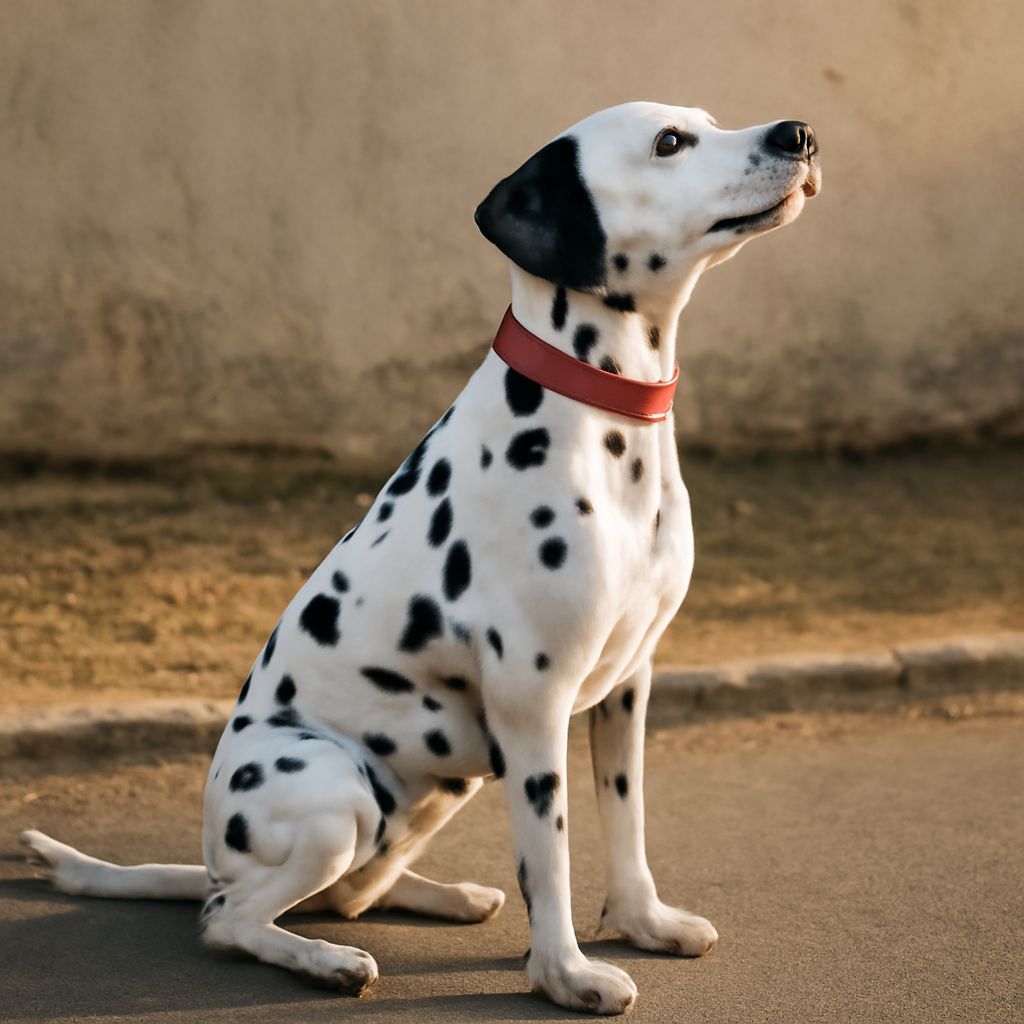
Coat color, size, and distinctive markings all offer reliable naming material. A dog with a patchy face, striking eyes, or an unusual gait gives you specific, observable traits to work from. These names age well because the physical characteristic stays consistent.
Names Based on Personality
Watch your dog for a few days before deciding. A puppy that charges at everything warrants a different name than one that watches quietly from a corner. Energy level, curiosity, and social comfort are all pet signs that point toward a fitting name.
Names from Heritage or Breed Origin
Many breeds carry rich cultural histories. A German Shepherd might carry a German name. A Shiba Inu suits Japanese words. Researching breed origin gives you a meaningful shortlist without relying on generic options.
When Your Dog Already Has a Name
Dogs adopted as adults often arrive with an established name. Changing it is possible but takes patience. Use the new name consistently, pair it with treats and praise, and avoid using the old one at home. Most adult dogs adapt within two to four weeks when the new name is reinforced clearly and often.
If your dog came from a valley pet adoption program or a regional rescue, ask staff which name the dog has been responding to. Keeping it, or choosing something phonetically similar, reduces confusion and speeds up the bond you’re building.
Safety Recap
A clear, consistent name is a basic safety tool. A dog that reliably turns at its name is easier to call back from danger. Practice name recognition in low-distraction settings before testing it in parks or near traffic. Reinforce the response regularly so it stays sharp throughout your dog’s life.