Ferrets as Pets Pros and Cons: What Every Owner Should Know
When people research ferrets as pets pros and cons, they often find overly enthusiastic accounts from devoted ferret owners and cautionary tales from those overwhelmed by the commitment. The reality sits between those extremes. Similarly, people comparing rabbits as pets pros and cons frequently underestimate the space and care rabbits need. People and pets form strong bonds when expectations match reality. Across all types of companion animals, whether aquarium and pets setups or fish and pets arrangements, informed ownership leads to better outcomes for both animal and owner.
This article covers ferret and rabbit ownership honestly, then looks at how aquarium pets fit into a busy household, so you can choose the right companion animal for your lifestyle.
Ferret Ownership: The Real Pros and Cons
Ferrets are playful, curious, and highly social. They bond closely with their owners and can learn their names and simple commands. Their antics are genuinely entertaining, and they adapt well to households where someone is home regularly. These are the genuine advantages of keeping ferrets as companion animals.
The downsides are real, though. Ferrets have a musky odor even when clean. They require several hours of supervised out-of-cage time daily, and they chew almost everything, meaning ferret-proofing a room takes serious effort. Medical costs can be significant. Ferrets are prone to adrenal disease, insulinoma, and lymphoma, often developing these conditions by middle age. Veterinary care from an exotic animal vet is necessary, and treatment can be expensive.
Ferret Pros
- Highly interactive and entertaining
- Bond strongly with consistent owners
- Can be litter trained
- Relatively small size
Ferret Cons
- Strong natural odor
- Significant daily exercise and supervision needs
- Prone to costly health conditions
- Illegal in some states and countries
Rabbit Ownership: Weighing the Pros and Cons
Rabbits as pets pros and cons often surprise new owners. Rabbits are quiet, can be litter trained, and are gentle with patient handling. They are social animals that form genuine attachments to their caregivers. On the positive side, they don’t require outdoor walks and can live comfortably in a house or apartment when given enough space to roam.
The challenging side: rabbits need far more space than a small cage. They need several hours of free-roam time in a rabbit-proofed area daily. Their diet of hay, leafy greens, and limited pellets must be consistent. Rabbits are also prey animals, meaning stress from sudden sounds or improper handling can cause serious health problems, including fatal cardiac events. Finding a vet experienced with rabbits is important, as not all small animal practices see them regularly.
Aquariums and Fish as Pets
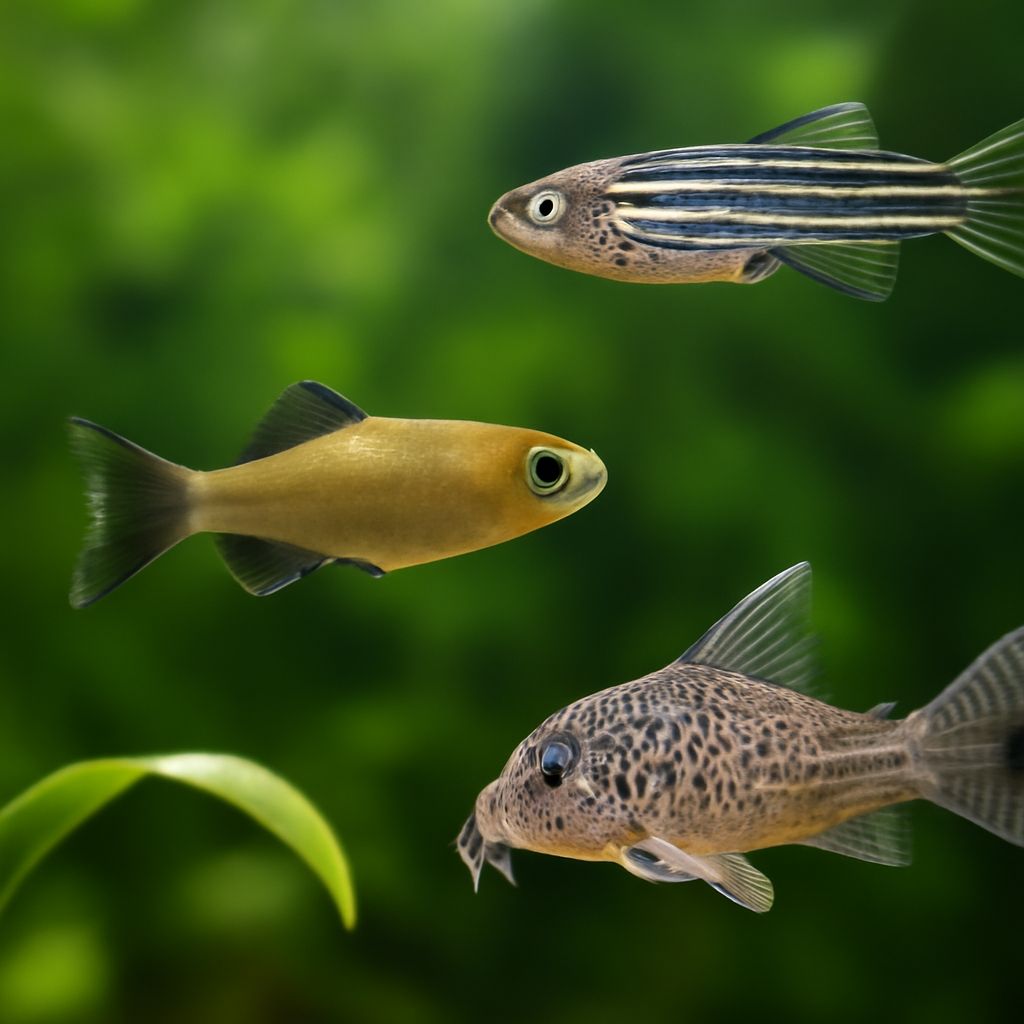
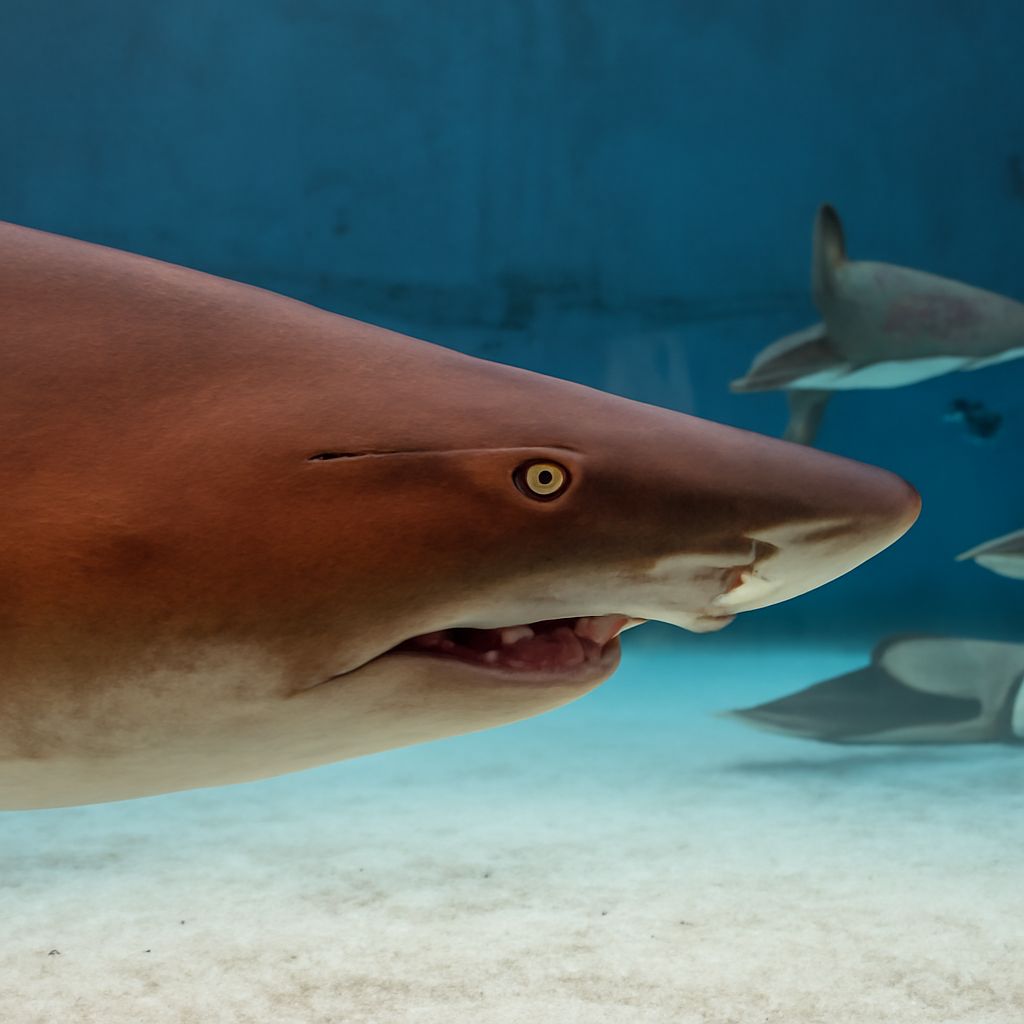
For people drawn to a lower-interaction pet, aquarium and pets combinations offer a calming, visually interesting alternative. Fish and pets relationships differ from mammal ownership, but caring for a healthy aquarium still requires commitment. Water quality, temperature, filtration, and compatible species selection all matter.
Freshwater setups are more forgiving for beginners. A well-cycled 20-gallon tank with hardy species like tetras or corydoras catfish is manageable with weekly water changes and basic equipment. Saltwater systems require more investment, more stable parameters, and more research before stocking.
People drawn to the calming effect of watching fish find aquariums genuinely rewarding. The interaction is indirect, but the responsibility is real. Neglected tanks produce sick or dying fish, and restoring water quality after a crash takes time and effort.
Choose the pet that matches your actual lifestyle, not your idealized version of it. Ferrets, rabbits, and fish all make good companions for the right person. The key is honest self-assessment before you bring any animal home.