Capybara Pet: What You Need to Know Before Getting One
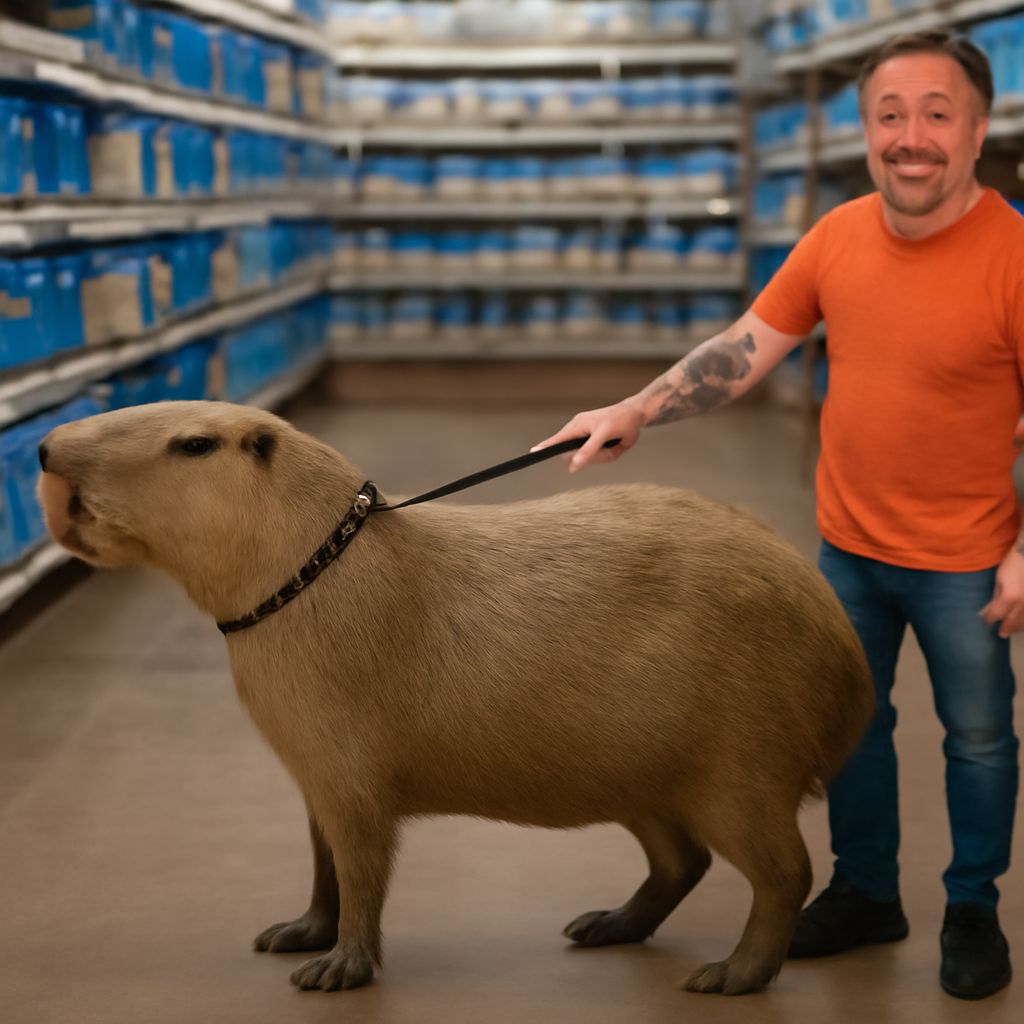
Capybaras have become social media stars, and the videos of them lounging in pools with ducks or getting groomed by smaller animals make keeping one look easy. The reality is far more demanding. A capybara pet requires space, companionship, water access, and a diet that most owners are not prepared to provide. Are capybaras good pets in a conventional sense? For most households, the answer is no — but for people who have done the work and built the right setup, the experience is genuinely rewarding.
Do capybaras make good pets comes down to lifestyle match, not just affection for the animal. These are social herd animals that reach 100 to 150 pounds and live 8 to 12 years. Capybaras as pets require a companion of their own species, an outdoor enclosure with a pond or large water feature, and access to a vet who specializes in exotic animals. Treating capybara pets like large dogs or oversized guinea pigs leads to behavioral problems and health decline. Here is an honest look at what ownership actually involves.
Legal Requirements and Housing Needs
Legality by Location
Capybaras are legal to own in some U.S. states — Texas, Pennsylvania, and several others permit them — but illegal in California, Georgia, New York, and various other states. Check your state and local laws before proceeding. Some cities impose their own restrictions even within permissive states. Permits may be required depending on local exotic animal ordinances.
Space and Enclosure
A single capybara needs a minimum outdoor enclosure of roughly 12 by 20 feet, with a water area at least 3 feet deep for swimming and thermoregulation. They are semi-aquatic by nature — a mud wallow or pond is not optional. The enclosure needs secure fencing because capybaras are strong, surprisingly fast, and will dig. A pair of capybaras, which is the recommended minimum, needs significantly more space than one alone.
Diet and Daily Care
Capybaras are herbivores that graze throughout the day. Grass and hay form the core of the diet — timothy hay, orchard grass, and fresh grass from untreated lawns. Supplement with leafy greens, small amounts of fruit, and commercial capybara pellets where available. They also practice coprophagy (eating their own soft feces) for nutrient absorption, which is normal and should not be discouraged.
Daily care includes fresh water for drinking and swimming, feeding twice a day with fresh vegetation, and at least one or two hours of supervised outdoor time if the enclosure does not allow continuous outdoor access. Capybara teeth grow continuously, so access to chewable materials — wood, branches, hay — is important for dental health.
Veterinary Care and Social Needs
Finding a vet experienced with capybaras is a real challenge in many regions. Before acquiring one, locate an exotic animal veterinary practice within a reasonable distance. Capybaras need annual checkups, dental monitoring, parasite control, and prompt care for respiratory infections, which are common in cold climates.
Social needs are non-negotiable. A solitary capybara becomes stressed, destructive, and depressed. Two capybaras of the same sex (or a neutered pair) are manageable. Introducing them to dogs and other household animals takes careful, gradual socialization over weeks, with supervision until the relationship is clearly stable.