Pet Skunk: What Owning One Actually Involves
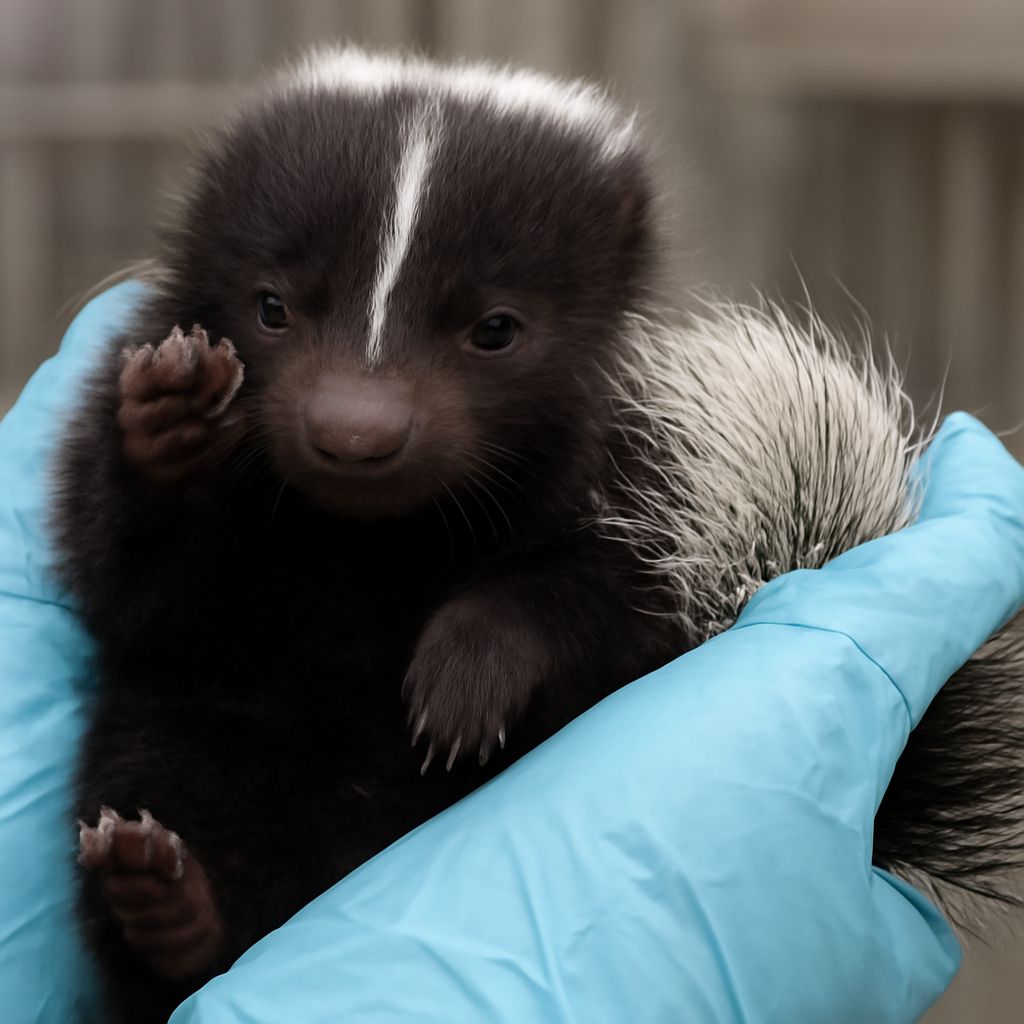
A pet skunk is not a novelty item that sits in a cage and requires minimal attention. Skunks are intelligent, curious animals with specific nutritional needs, a low tolerance for boredom, and a lifespan of up to ten years in captivity. Many people acquire them without understanding what daily care actually demands, and surrenders to rescues spike as a result.
A skunk pet also comes with legal complications that dogs and cats don’t. Skunk as a pet ownership is banned outright in many U.S. states and restricted to licensed holders in others. Skunk pets are typically descented before sale through domestic breeders, but this doesn’t make them odor-free — they retain musk glands in modified form and can still produce some scent when stressed. Understanding all of this before committing is the responsible starting point.
Is Owning a Pet Skunk Legal Where You Live?
As of 2025, states including California, Texas, Arizona, and several others prohibit private skunk ownership entirely. Some states allow it with a permit; others have no restrictions at all. Even in permissive states, local county or city ordinances may ban exotic pets. Check state wildlife regulations, your county’s animal control code, and your rental agreement or HOA rules before pursuing a skunk. Finding a vet willing to treat a pet skunk is the next hurdle — most small animal practices don’t have the training, and exotic animal vets are not available everywhere.
Daily Care Requirements for Skunks as Pets
Diet and Nutrition
Skunks as pets are omnivores with a tendency toward obesity if fed incorrectly. A balanced diet includes lean protein (cooked chicken, eggs), fresh vegetables (leafy greens, bell pepper, cooked squash), and a small amount of fruit. Commercial skunk food is available but should not be the sole diet. Avoid feeding cat food as a staple — the fat content is too high for skunks’ metabolisms. Obesity in captive skunks leads to spinal problems, fatty liver disease, and shortened lifespan, so portion control matters from the start.
Housing and Exercise
A skunk as a pet needs significant indoor space to roam. A large ferret-style enclosure works for sleeping and safe confinement, but the animal needs several hours of free-roaming time daily. Skunks dig, and they will root through carpet, dig at baseboards, and push furniture looking for things to investigate. Baby-proofing a room or two is a practical approach. They also need hiding spots, tunnels, and objects to manipulate — environmental enrichment is not optional for skunk pets.
Veterinary Care for Skunk Pets
Domestic skunks need annual checkups, distemper and rabies vaccinations where legal, and dental care. Rabies vaccination for skunks is a regulatory gray area in some states — no USDA-approved rabies vaccine exists specifically for skunks, which complicates legal status if a bite incident occurs. Discuss this with both an exotic vet and local animal control before acquiring the animal.
Temperament and What to Realistically Expect
Well-socialized skunks from reputable breeders are affectionate and bond closely with their owners. They recognize individuals, come when called, and enjoy being handled. They are also stubborn, easily startled, and prone to stress-related illness if their routine changes too much. Introductions to new people or animals should be gradual. A skunk pet is not a casual addition to a busy household with young children or multiple pets. For the right owner with the right living situation, they are rewarding — but that combination is less common than the appeal of their novelty suggests.