The best pet birds are not always the most colorful or the ones that talk. Noise level, lifespan, space requirements, and social needs vary considerably across species, and choosing based on appearance alone leads to mismatched expectations. Best bird pets for apartment living differ from good birds for pets in larger homes where noise is less of a concern. The idea that any best bird pet is low-effort is also inaccurate. Even small birds need daily interaction, mental stimulation, and a clean environment to stay healthy.
A second common assumption is that talking ability equals intelligence or better companionship. Many of the best birds to have as pets form deep bonds with their owners without producing a single clear word. Bond quality depends on time investment, not species vocabulary.
Small Bird Species Worth Considering
Budgerigars
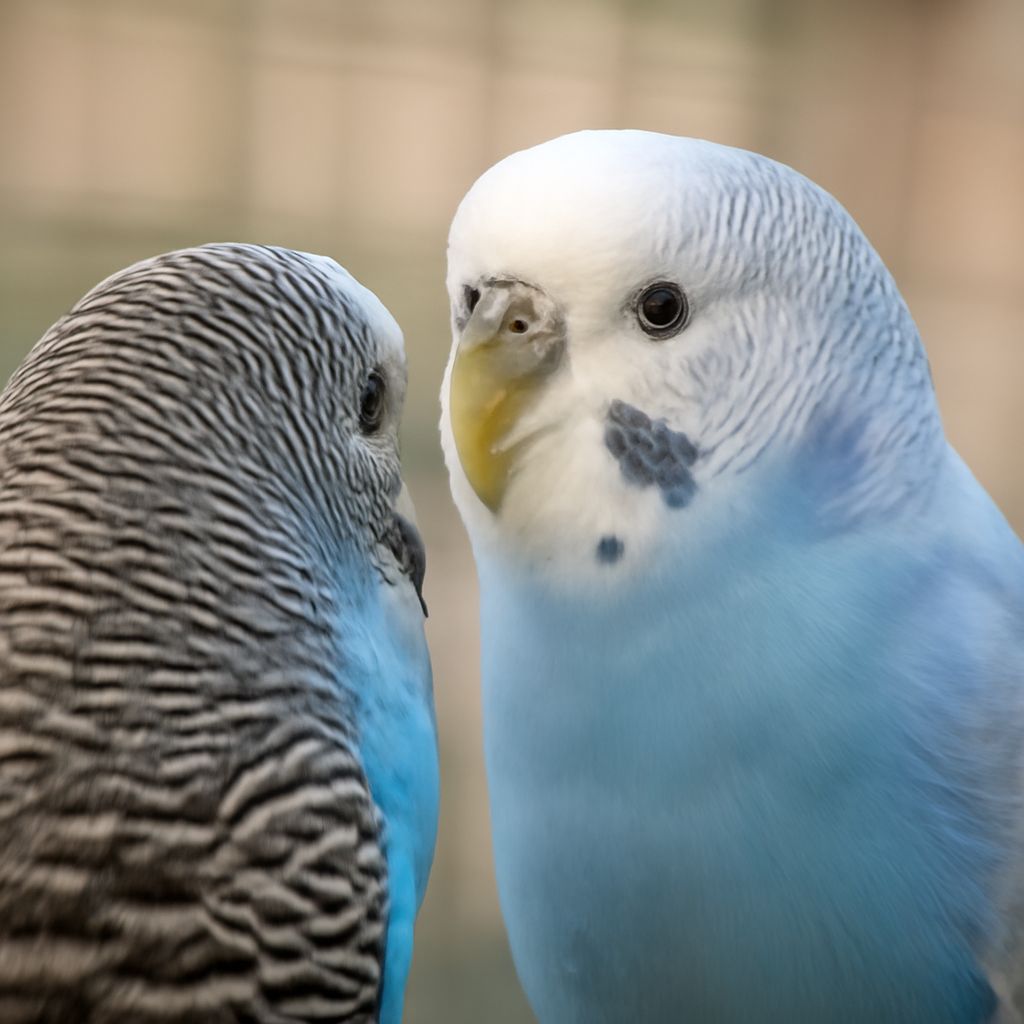
Budgerigars, commonly called budgies, are among the most widely kept companion birds worldwide. They are social, manageable in size, and relatively quiet compared to larger parrots. A pair of budgies kept together will entertain each other when owners are at work, reducing the behavioral problems that come from isolation. They live eight to fifteen years with proper care, which is a commitment new owners sometimes underestimate.
Cockatiels
Cockatiels sit just above budgies in size and social demand. They whistle, mimic household sounds, and bond closely with specific family members. A cockatiel left alone for extended periods will develop feather-destructive behaviors. Daily out-of-cage time and regular interaction are not optional for this species. They live fifteen to twenty-five years in captivity, so ownership is a long-term commitment.
Lovebirds
Lovebirds are small, vivid, and often mischaracterized as needing a partner to survive. A single lovebird bonded to a human owner does fine without a mate, though it requires more direct daily attention to compensate. Pairs kept together tend to bond to each other rather than to people, which reduces tameness over time.
Medium and Larger Bird Options
Conures
Conures are medium-sized parrots with outsized personalities. They are playful, can learn some words, and are affectionate with regular handling. The sun conure is notably loud, which rules it out for apartments or noise-sensitive households. Green-cheeked conures are quieter and a better fit where sound is a concern.
African Grey Parrots
African greys are frequently cited as the most intelligent pet birds for their problem-solving ability and extensive vocabulary. They are also highly sensitive to routine changes and require a stable environment. An African grey that experiences neglect or repeated household disruptions will develop anxiety-based behaviors that are difficult to reverse. This species suits experienced bird owners, not beginners.
Daily Care Basics Across All Species
Regardless of species, all pet birds need fresh water daily, a varied diet that goes beyond seed mixes alone, and a clean cage. Pellet-based diets supplemented with fresh vegetables provide better long-term nutrition than seed-only feeding, which is high in fat and low in several key vitamins.
Bottom line: The right bird species depends on your living situation, daily schedule, and willingness to provide consistent interaction. Small birds like budgies and cockatiels suit most households. Larger parrots reward experienced owners who can meet their significant social and environmental needs.