A common misconception is that dogs heal quickly on their own and that most wounds can be left alone. This is wrong. An open wound on dog skin that is not properly cleaned and managed can become infected within hours, especially in warm weather or on outdoor dogs. The bacteria present in a dog’s mouth, fur, and environment are efficient at colonizing raw tissue.
Dog wound care involves more than rinsing with water. How to treat an open wound on a dog depends on the wound type, depth, and location. Dog wounds from bites, punctures, lacerations, or abrasions each have different risk profiles. Learning how to heal an open wound on a dog correctly prevents complications, reduces pain, and speeds recovery.
Assessing the Wound Before Treatment
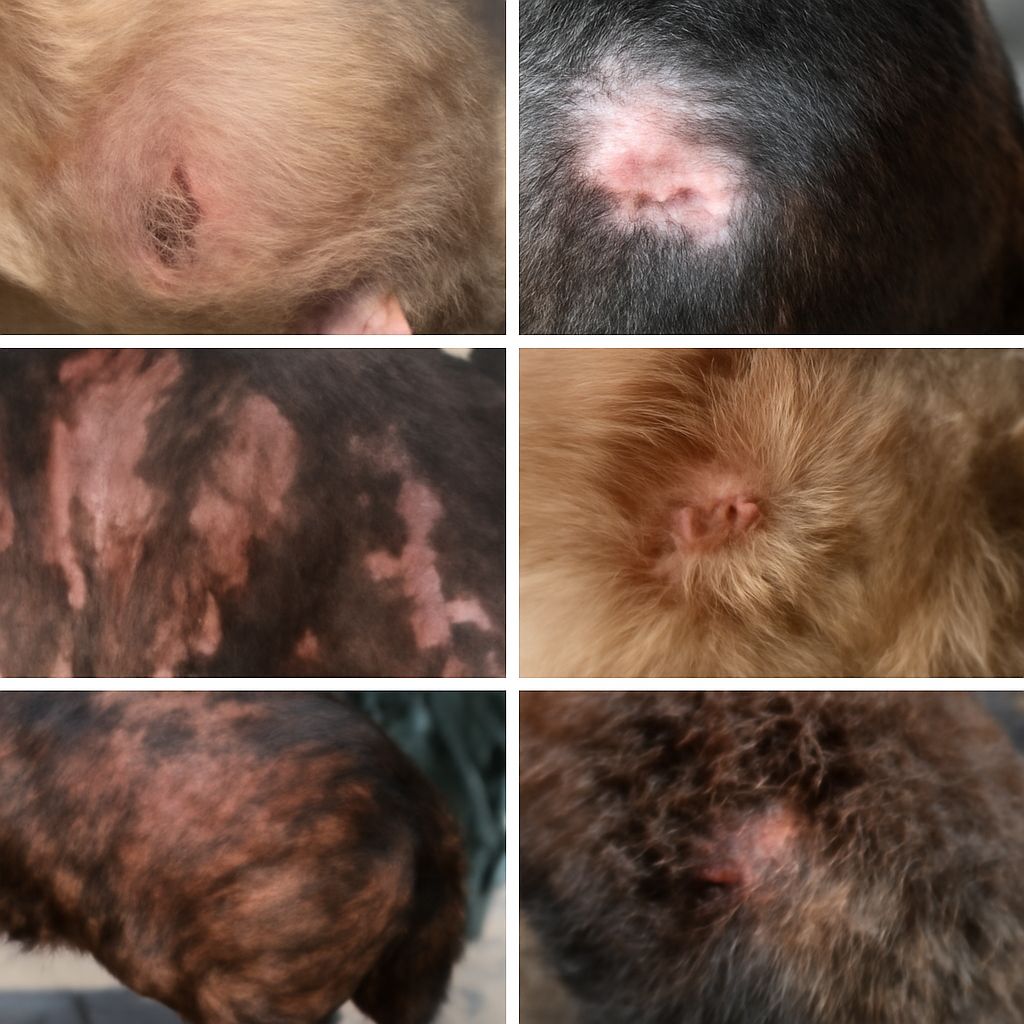
Before treating a wound, assess its severity. Superficial scrapes with minor bleeding can usually be managed at home. Deep punctures, wounds over joints, wounds near the eyes or mouth, and any wound with visible tissue beneath the skin require immediate veterinary attention. Dog wounds that result from animal bites — even small ones — are high-risk because puncture tracks trap bacteria deep in tissue where irrigation cannot reach.
Look for signs of contamination: debris, dirt, gravel, or plant material embedded in the wound. Swelling, heat, discharge, or an unpleasant odor developing within 24-48 hours signals infection. If the dog is licking the wound continuously, the area needs to be covered or an e-collar applied to prevent further contamination.
Step-by-Step Home Treatment for Minor Wounds
For a minor open wound on a dog, follow these steps. First, clip the fur around the wound using blunt-tipped scissors — hair traps bacteria and makes cleaning harder. Second, flush the wound thoroughly with clean saline solution or a diluted chlorhexidine rinse. Do not use hydrogen peroxide or iodine directly on tissue; both damage healing cells. Third, apply a thin layer of veterinary-approved antiseptic ointment. Fourth, cover the wound with a non-stick gauze pad and secure it with a conforming bandage. Change the bandage daily or whenever it becomes wet or soiled.
Monitor the wound closely. Dog wound care at home is appropriate only for superficial injuries. Any sign of infection — increasing redness, swelling, warmth, pus, or fever — means the dog needs antibiotics prescribed by a vet. Do not use human antibiotic creams containing neomycin, as some dogs have adverse reactions to it.
When Professional Treatment Is Required
Knowing how to heal an open wound on a dog includes knowing when home care is not enough. Veterinary treatment is required for wounds that gape open and need sutures, wounds that bleed heavily or do not stop within five minutes of gentle pressure, infected wounds requiring debridement, and any wound in a location that is difficult to bandage or keep clean.
The vet may prescribe systemic antibiotics, pain relief, and a specific wound-care protocol. Some wounds are left open to drain and packed with wet-to-dry dressings. Others are sutured immediately. The chosen approach depends on how much tissue damage is present and how contaminated the wound is.
Bottom line: Prompt, appropriate wound care prevents most complications. Flush and cover minor dog wounds right away, monitor daily, and see a vet for any wound that is deep, contaminated, infected, or not healing within three to four days. A licensed veterinarian is the right resource for complex wound management, not online substitutes.