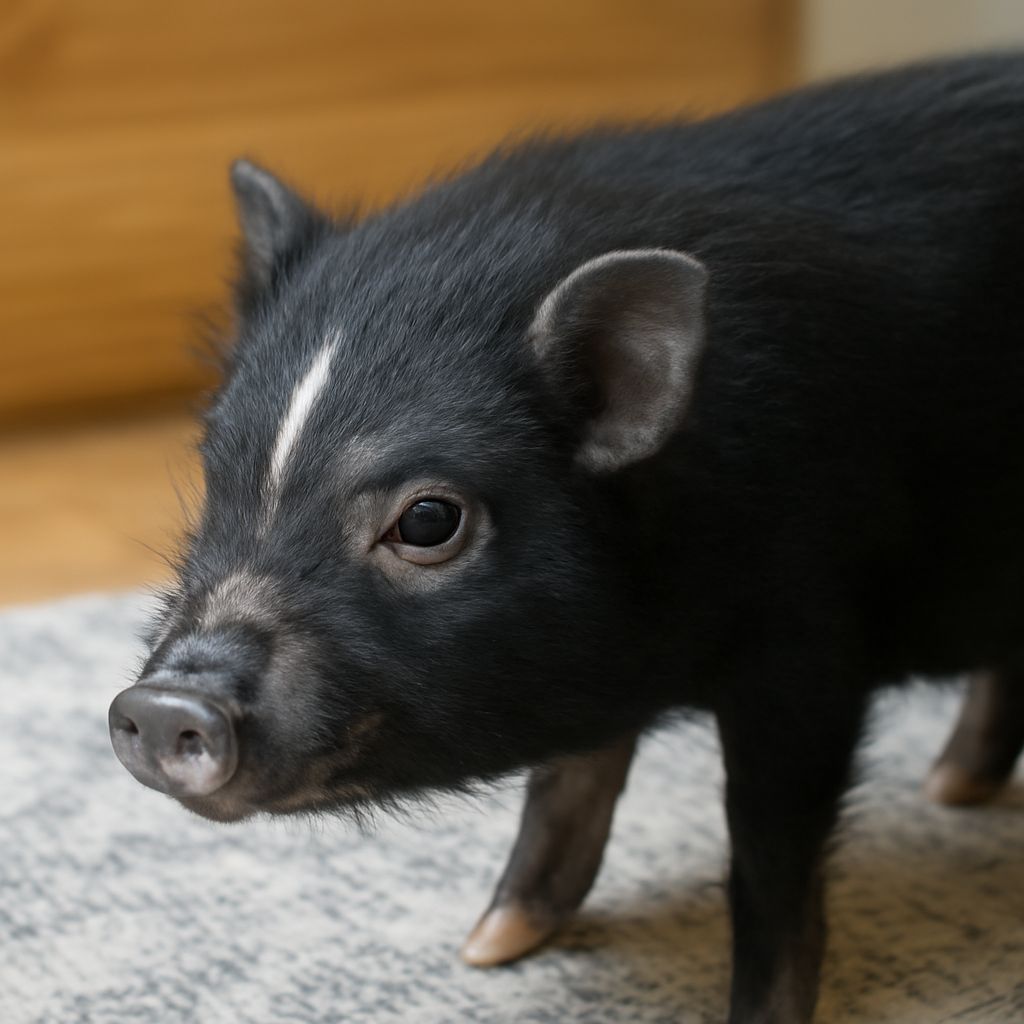
Mini pigs as pets have attracted enormous interest, partly because photos of tiny piglets make the commitment look simpler than it is. The reality is that a so-called micro pig or miniature pig pet grows substantially larger than most buyers are told at the point of sale. There is no breed of pig that stays permanently small. A piglet pet at eight weeks old might weigh 2 kg. That same animal at two years can weigh 30 to 60 kg depending on genetics and feeding. Micro pigs as pets are genuinely smaller than farm hogs, but they are not lap-sized animals. Setting that expectation clearly at the start saves families from difficult rehoming situations later.
A second myth is that pigs are low-maintenance because they are smart. Intelligence actually creates more care demands, not fewer. A bored miniature pig pet will root through carpet, open cabinets, and become aggressive if its social and environmental needs are not met. These are animals that need space, companionship, and mental engagement every day.
Housing and Space Requirements
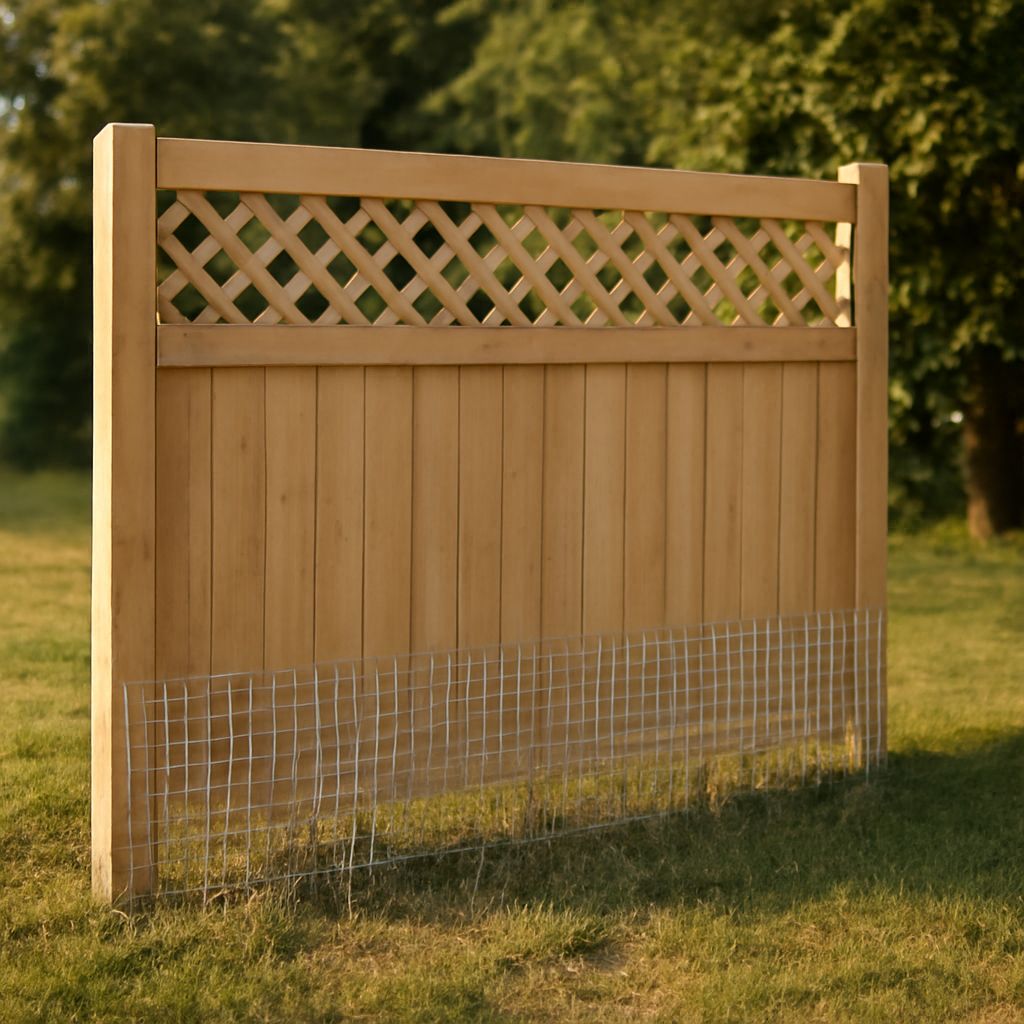
A micro pig pet kept indoors needs a dedicated space with a bed, rooting materials, and secure barriers between rooms you don’t want investigated. Most owners find that a combination of indoor access and a secure outdoor enclosure works best. The outdoor area should have shade, a wallowing spot for temperature regulation, and fencing that goes underground or is weighted down, because pigs can root under standard fence lines.
Mini pigs as pets do not do well in apartments without outdoor access. They are not appropriate for balcony living. Zoning laws in many cities and counties classify pigs as livestock, meaning your municipality may prohibit keeping them regardless of size. Check local ordinances before purchase or adoption.
Diet, Health, and Veterinary Care
Feeding a Miniature Pig Pigs are opportunistic feeders and will eat until they are overweight if given unrestricted access to food. A miniature pig pet needs a measured daily ration of species-appropriate pellets formulated for potbellied pigs, supplemented with fresh vegetables. Fruit is a treat, not a staple, due to sugar content. Overfeeding is the leading cause of obesity in pet pig populations, and obesity significantly shortens their lifespan.
Avoid feeding dog or cat food. The protein and fat ratios are wrong for a pig’s metabolism. Pigs fed appropriate diets can live 12 to 18 years, making the commitment comparable to adopting a dog.
Finding a Vet Who Treats Pigs
Not all veterinary practices see pigs. Before acquiring a micro pig, identify a vet in your area with swine experience. Routine care includes annual vaccinations, hoof trimming every few months, and dental checks. Spaying or neutering a piglet pet is strongly recommended to prevent hormonal aggression and uterine cancer in females.
Key Takeaways
Mini pigs as pets are a long-term commitment requiring space, species-specific feeding, and a vet who can treat swine. They are intelligent and social animals that do not thrive in isolation or small apartments. Verify local zoning laws before bringing a miniature pig home, and prepare for an animal that may reach 40 kg at full adult size.