Neutering a dog is one of the most common veterinary procedures performed in the United States, yet misconceptions about what it involves and what it changes persist. Many owners believe the surgery alters a dog’s personality or makes it immediately calmer. Behavioral changes from neutering are modest and vary by individual dog. The procedure eliminates testosterone-driven behaviors such as marking and roaming in many dogs, but it does not fix anxiety, aggression rooted in fear, or poor training habits. Neutering a male dog before six months of age was once standard practice, but current veterinary guidance for large breeds recommends waiting until the dog is closer to physical maturity, typically 12 to 18 months old.
The dog neuter procedure itself is an orchiectomy, the surgical removal of both testes. It is performed under general anesthesia and takes 20 to 45 minutes depending on the dog’s size and anatomy. Most dogs go home the same day. Neutering your dog requires pre-surgical bloodwork at many clinics to confirm the animal is healthy enough for anesthesia, particularly in dogs over seven years old or those with known health conditions. Neutering a dog procedure recovery takes one to two weeks, during which activity must be restricted to prevent incision complications.
What Happens During the Procedure
Pre-Surgical Preparation
Vets typically ask owners to withhold food for 8 to 12 hours before the procedure to reduce anesthesia risks. Water restrictions vary by clinic. The dog receives a pre-anesthetic sedative to reduce anxiety and smooth the induction process. An IV catheter is placed to allow fluid delivery and emergency drug access during surgery. Heart rate, blood oxygen, respiratory rate, and blood pressure are monitored continuously throughout the operation.
Surgical Steps
The veterinary surgeon makes a small incision just in front of the scrotum. Each testicle is exteriorized, its blood vessels and vas deferens tied off with absorbable suture, and the testicle removed. The scrotal skin is not typically removed in adult dogs; it shrinks down on its own over several weeks. Some clinics use tissue glue rather than external sutures for skin closure. Dogs with retained testicles, where one or both testes did not descend into the scrotum, require a more involved surgery through the abdomen, which takes longer and costs more than a standard neuter.
Recovery and Aftercare
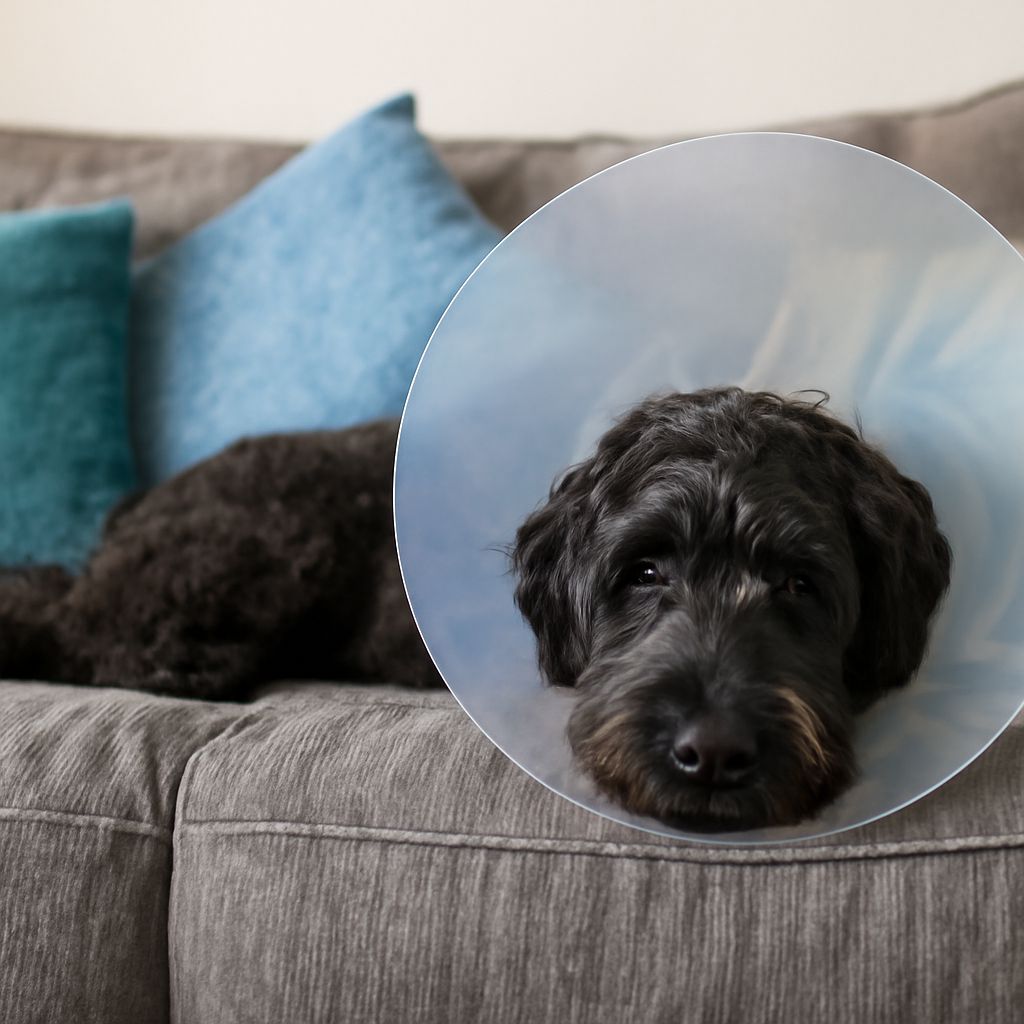
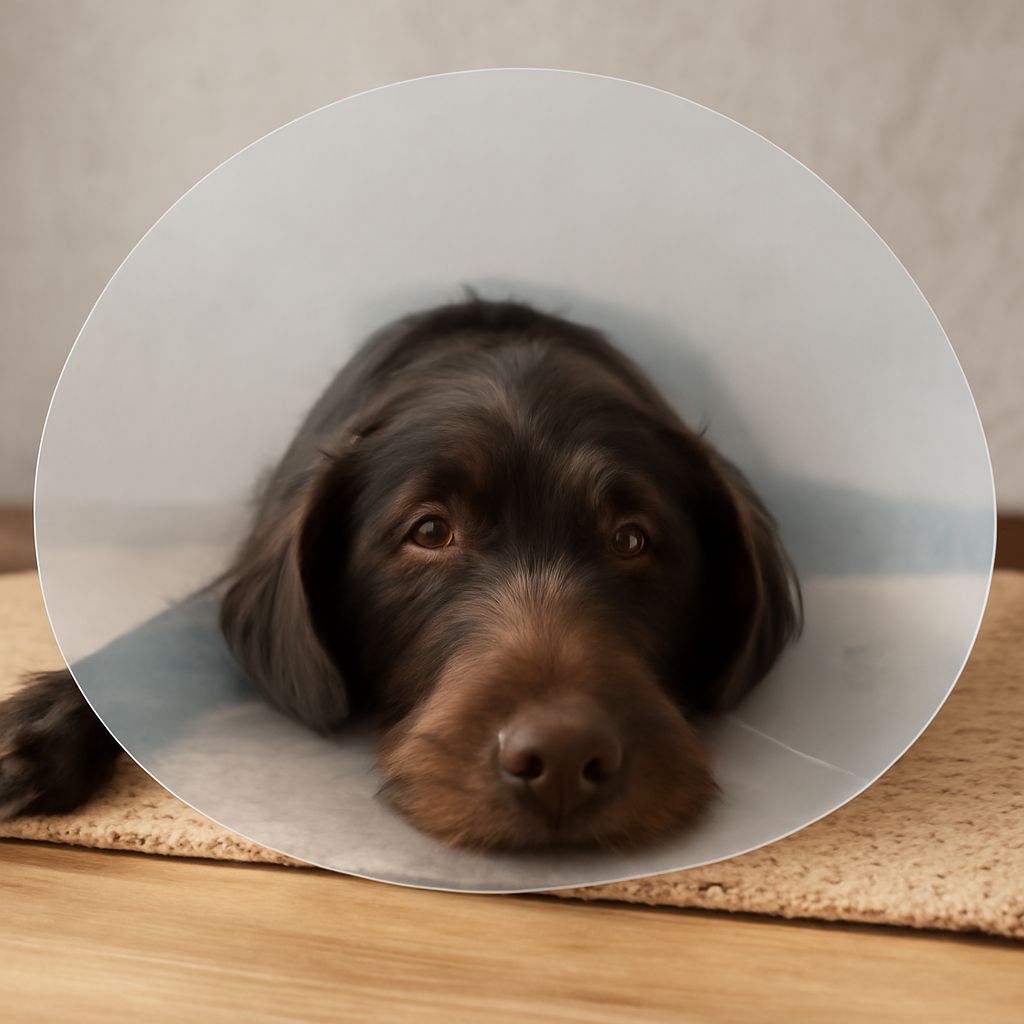
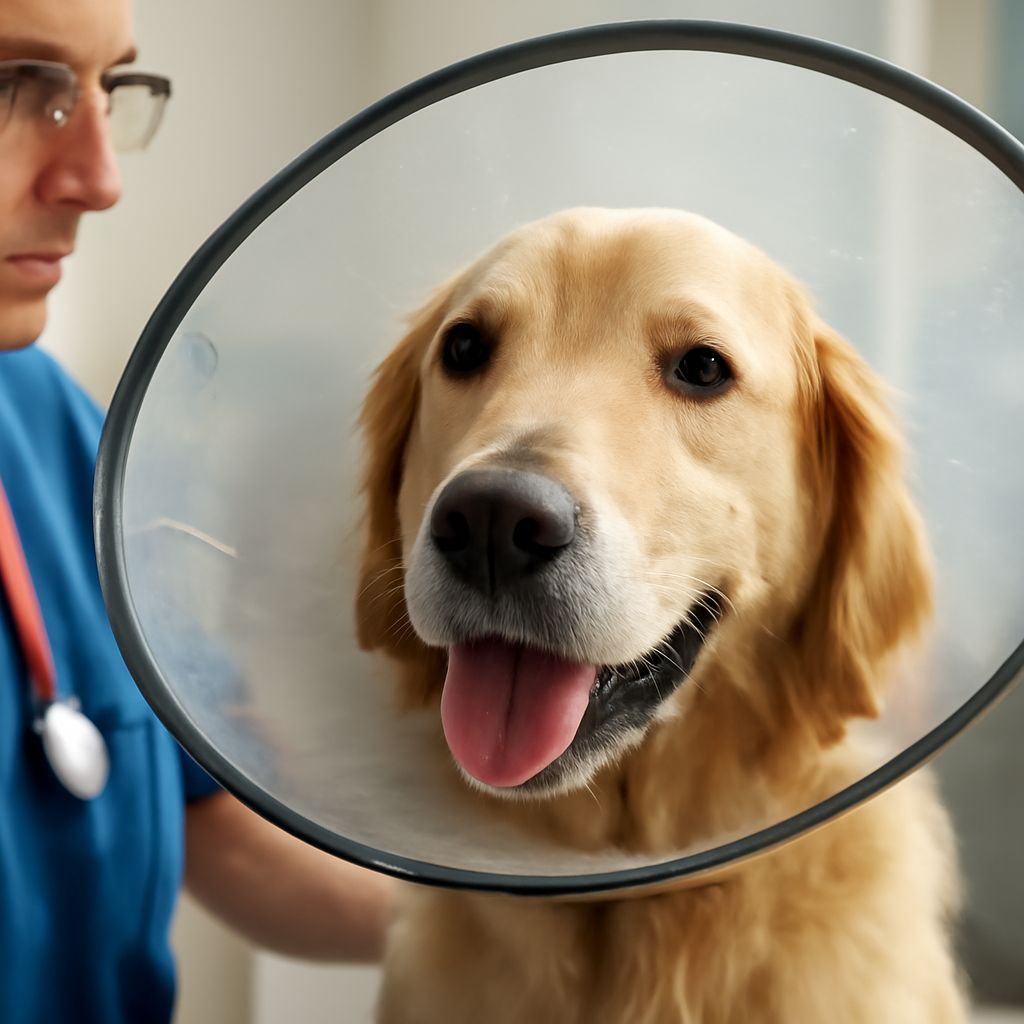
The first 24 hours after the dog neuter procedure involve groggy, unsteady behavior from anesthesia. Most dogs eat a small meal that evening without trouble. Pain medication is prescribed routinely now, as veterinary pain management standards have improved considerably over the past decade. The incision site should look pink and slightly swollen for two to three days, then begin closing normally. An e-collar prevents licking, which is the most common cause of surgical site infection and reopening.
Restrict running, jumping, and rough play for 10 to 14 days. Leash walks for bathroom trips only are appropriate during this period. A follow-up exam at 10 to 14 days lets the vet confirm healing before returning to normal activity. Signs of complications include excessive swelling, discharge, opening of the incision, or persistent lethargy beyond 48 hours. Contact your vet promptly if any of these occur.
Long-Term Outcomes
Neutered males show reduced roaming behavior in most cases since the hormonal drive to seek mates is eliminated. Marking behavior decreases in approximately 50 to 60 percent of dogs after surgery, according to veterinary behavioral studies. Dogs neutered before puberty do not develop the muscle mass or secondary sexual characteristics they would have with testosterone present, which is one reason large-breed timing recommendations have shifted. The procedure carries a small but real surgical risk, as all anesthetic events do. The overall complication rate for routine canine neuters is well under one percent at accredited facilities.
Key takeaways: The neuter procedure removes both testes under general anesthesia in a 20-to-45-minute outpatient surgery. Recovery requires 10 to 14 days of restricted activity with an e-collar in place. Discuss breed-specific timing with your vet before scheduling, particularly for large and giant breeds.