Keeping your home dog healthy between vet visits requires more than good food and regular walks. Many owners assume visible symptoms are the only sign that something is wrong, but parasites and skin conditions often develop quietly before they are obvious. A dog heartworm test at home is not something you can reliably perform yourself with over-the-counter tools, despite what some product marketing suggests. Heartworm diagnosis requires a blood antigen test run in a veterinary setting.
Similarly, a crusty dog nose home remedy can address mild dryness, but a persistently cracked or crusted nose may indicate autoimmune disease, fungal infection, or nutritional deficiency that a veterinarian needs to assess. Dog ringworm treatment home remedy approaches are popular, but ringworm (which is a fungal infection, not a worm) spreads easily to humans and other pets and usually requires antifungal medication prescribed by a vet. And dog aggressive with visitors to home is a behavior issue with real safety implications, not a temperament quirk to manage with tips alone.
What Home Dog Care Can and Cannot Do
Home monitoring is valuable. Checking your dog’s coat, skin, ears, eyes, and gums regularly gives you a baseline for what is normal. Changes from that baseline are what to bring to a vet. A home dog owner who checks their dog weekly catches problems earlier than one who waits for obvious illness. Early detection consistently leads to simpler, less expensive treatment.
Skin and Coat Checks
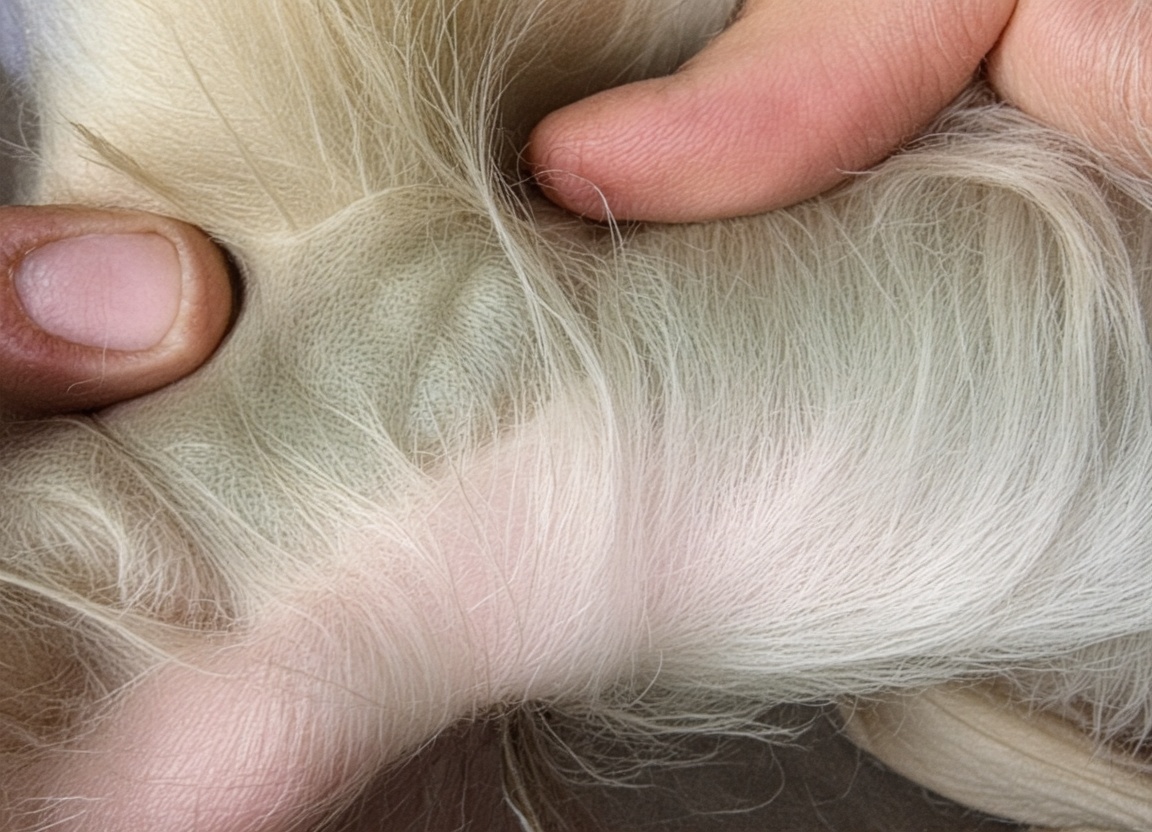
Run your hands through the coat at least twice weekly. Look for patches of hair loss, redness, flaking, or thickened skin. Ringworm often appears as a roughly circular area of hair loss with a red or scaly border. If you find something suspicious, avoid home remedy applications until a vet confirms the cause. Some skin conditions worsen with topical treatments meant for a different problem.
Nose Health at Home
A slightly dry dog nose at the end of a nap or in dry weather is normal. A consistently crusty, cracked, or deeply fissured nose needs veterinary evaluation. Plain petroleum jelly or veterinarian-recommended balms can soothe minor surface dryness, which is what most crusty nose home remedy advice covers. Deeper changes warrant a proper diagnosis.
Managing Dog Aggression Toward Visitors
Dog aggressive with visitors to home is a common complaint that ranges from nuisance barking to genuine bite risk. The cause matters. Some dogs guard the threshold as a territorial response. Others react from fear. The approach that works for one is often counterproductive for the other.
A certified professional dog trainer or veterinary behaviorist is the right resource for any dog showing aggression at the door. Attempting to address serious aggression through home dog management alone, without professional guidance, is unsafe for visitors and does not resolve the underlying driver of the behavior. Document when incidents occur, what triggered them, and how the dog responded to any intervention, and bring this log to a professional consult.