A dog gate is one of the most practical tools you can add to any pet-friendly home, yet plenty of owners buy the wrong type and end up frustrated within a week. The most common mistake is treating all barriers as interchangeable. A pet gate built for a doorway behaves differently from one built for a staircase, and neither works well in every situation. Understanding those differences saves you money and keeps your dog safer.
Another widespread myth: size is all that matters. In reality, material, mounting style, and whether you need a pet gate with door all affect long-term usability. Indoor pet gate options now range from pressure-mounted tension gates to permanently drewed hardware-mounted models, and each suits different spaces. Indoor pet gates used at the top of stairs, for example, must be hardware-mounted; a pressure mount there is a safety hazard. Start with function, not appearance.
Types of Dog Gates and Where They Work Best
Pressure-Mounted Gates
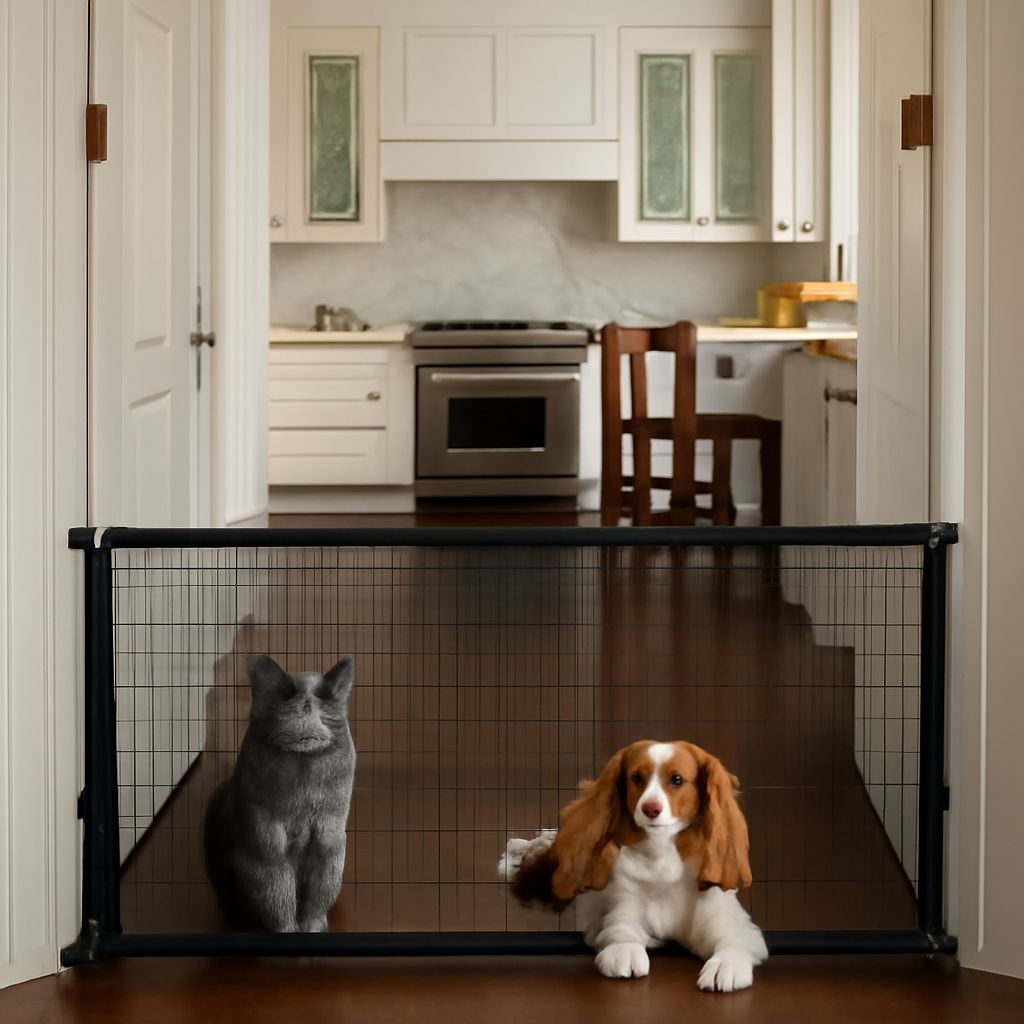
Pressure-mounted gates grip walls using tension and require no screws. They suit doorways, hallways, and room dividers where falls are not a risk. Setup takes minutes, and you can move them between rooms easily. The drawback is limited holding strength against a determined large dog, so they work best with smaller or less persistent breeds.
Hardware-Mounted Gates
Hardware-mounted gates attach directly to wall studs or door frames with screws. They are the only safe option at stair tops. The installation is more involved, but the stability is far superior. Most veterinary and pet safety organizations recommend this style wherever a fall could occur.
Gates with a Walk-Through Door
A pet gate with door built in is ideal when you pass through frequently. Instead of stepping over or removing the barrier each time, you open a small latch. This feature matters most in high-traffic areas like kitchens. Walk-through doors come in single-direction and double-swing versions; the latter are more convenient but add slightly to cost.
Sizing and Material Considerations
Gate height should exceed your dog’s reach when standing on hind legs, not just their shoulder height. For most medium breeds, 30 inches is the minimum; for large or jumping dogs, 36 inches or taller is a better choice. Width must match the opening precisely since most gates extend using adjustable panels but have fixed limits.
Material affects durability and aesthetics. Steel and aluminum gates withstand chewing better than wood and typically last longer. Wood gates blend into traditional interiors but require more maintenance and can splinter if a dog chews aggressively. Mesh fabric gates are lightweight but not suitable for strong or determined chewers.
Getting the Most from Indoor Pet Gates
Placement matters as much as the gate itself. Position your gate so the dog has enough space on their side to move comfortably, reducing frustration and fence-fighting behavior. Introduce the gate gradually; let your dog sniff and explore it before closing them in or out.
Check hardware monthly if you use a mounted gate. Screws can work loose over time, especially with large dogs pushing against them. For any indoor pet gate setup, inspect the gate each morning as part of your routine. A gate that looks fine may have developed a weak latch or a loose panel that a clever dog can exploit.
Gate use is not a substitute for training. A dog that understands basic boundaries will respect a gate far better than one that sees it purely as an obstacle to defeat. Use the gate alongside consistent commands for the best results.