Many pet owners recognize the importance of good dog health, but the sudden appearance of strange bumps inside a dog’s mouth can spark concern and plenty of myths. Some believe any oral growth signals severe, untreatable disease, while others dismiss them as harmless. The reality lies between these extremes, especially when it comes to the oral papilloma virus in dogs. Like several skin and ear issues, dog oral papilloma tends to affect younger, social pups, and while usually benign, it deserves informed attention.
Understanding the truth about oral papilloma virus in dogs can help owners respond appropriately, reduce worry, and avoid unnecessary interventions. Let’s clarify what this common condition really means and the best ways to support a dog’s comfort and recovery.
What is Oral Papilloma Virus in Dogs?
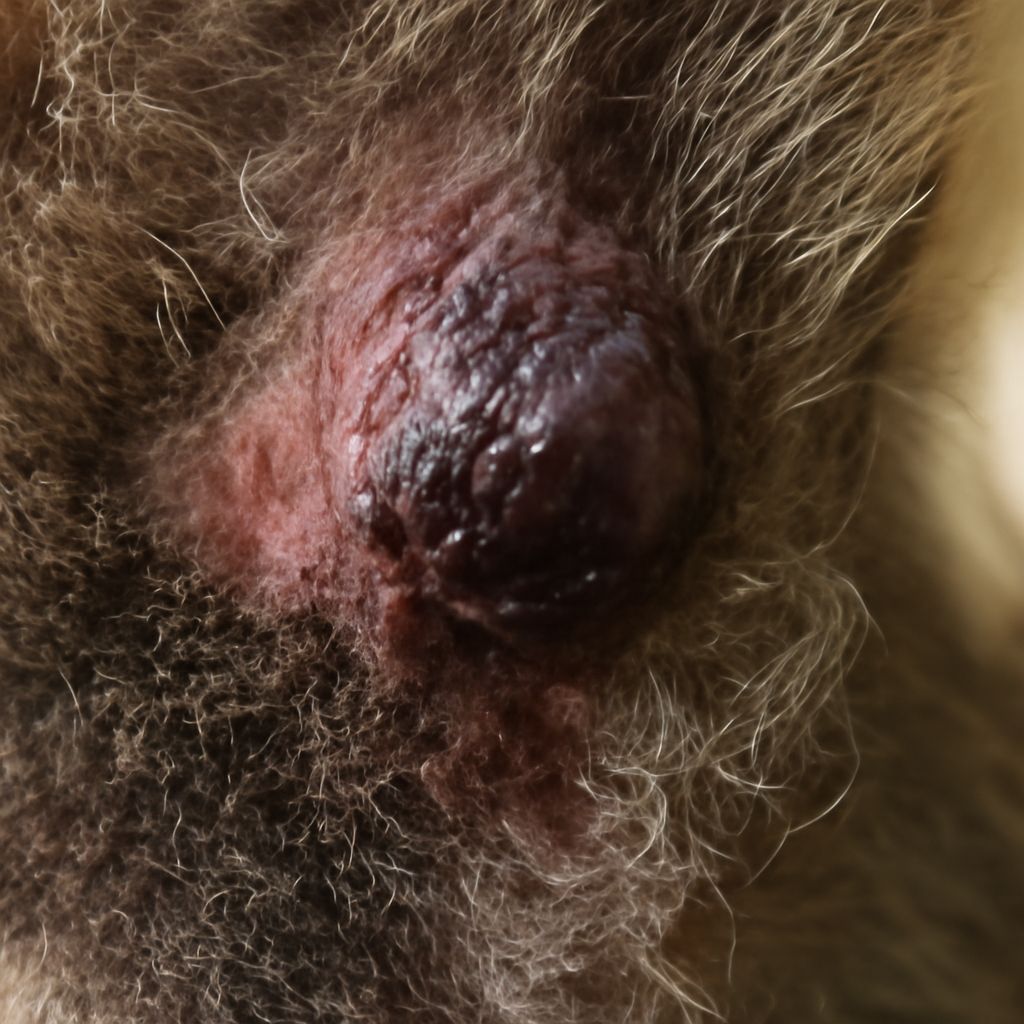
Canine oral papilloma virus, also known as canine papillomavirus type 1, is a contagious viral infection that results in wart-like growths, typically developing on the lips, gums, and inside the mouth. These papillomas look like small, cauliflower-shaped masses. This virus primarily targets dogs under the age of two, as their immune systems are still maturing and less capable of fighting off the infection rapidly.
Unlike many other oral skin issues, these viral papillomas are generally benign and not linked to cancer. Most growths resolve on their own once a dog’s immune system mounts a response, though the process can take several weeks to a few months. Since these warts are specifically caused by viral infection, they should not be confused with oral tumors or cysts unrelated to viral activity.
The oral papilloma virus should be distinguished from other causes of oral lumps in pets, such as dental abscesses or trauma-related swelling. If a dog presents with numerous, pale or pinkish bumps in the mouth, papillomavirus is a likely culprit—especially among young, social dogs who frequent dog parks or daycare environments.
How Do Dogs Get Oral Papilloma Virus?
Transmission of the canine oral papilloma virus usually occurs through direct contact with infected dogs or contaminated objects. The virus is present in the warts themselves and can be spread by shared toys, food bowls, or close face-to-face interactions during play. Puppies, adolescents, and dogs with suppressed immune function are most susceptible to contracting the infection.
Environments where dogs congregate—such as training classes, grooming salons, and boarding facilities—pose a greater risk for spreading the virus. The incubation period ranges from four to eight weeks after exposure, meaning a dog may develop visible papillomas long after the initial contact. Notably, the virus is species-specific; humans and other animals cannot contract it from dogs.
Reducing the spread involves diligent cleaning and minimizing shared items, particularly for puppies or immunocompromised dogs. Regularly disinfecting communal items and observing for early signs of papilloma development can help manage outbreaks, especially in multi-dog households or high-traffic facilities.
What Are the Symptoms and Risks of Dog Oral Papilloma?
The hallmark sign of this viral infection is the appearance of multiple, pale or whitish, wart-like lesions on the inside of a dog’s mouth, including along the lips, gums, and sometimes the tongue. These oral papillomas may cluster together or be scattered. Most affected dogs otherwise appear healthy and experience little to no discomfort.
In some cases, if the growths become particularly large, they can interfere with eating, cause mild drooling, or trigger irritation when chewing. Rarely, secondary bacterial infections may develop if the warts are traumatized or ulcerate, leading to bad breath, bleeding, or increased oral discomfort. It is uncommon for oral papilloma virus in dogs to cause systemic illness, but owners should monitor for persistent appetite loss or abnormal behavior, which could signal complications.
While most dogs recover without lasting issues, immunocompromised pets may experience more severe or persistent outbreaks. Any papilloma that persists beyond several months, bleeds excessively, or appears atypical in color or shape warrants veterinary assessment to rule out more serious conditions.
How is Dog Oral Papilloma Treated and Prevented?
For the majority of cases, oral papillomas in dogs resolve spontaneously as the immune system clears the infection. Most veterinarians recommend a watchful waiting approach, allowing the body to eliminate the virus while ensuring the pet remains comfortable and continues to eat normally. Prescription medications or surgical removal are rarely needed unless warts cause significant problems, such as difficulty swallowing or repeated infections.
In complex cases—such as when lesions persist, new growths rapidly appear, or a dog has a compromised immune system—consult a licensed veterinary professional or veterinary dermatologist. These experts can advise on antiviral medications, surgical excision, or alternative therapies tailored to the dog’s condition.
Preventing the spread of oral papilloma virus among dogs centers on avoiding direct contact with affected pets, regular cleaning of shared items, and isolating dogs showing visible signs of infection. While there is no commercial vaccine available for canine oral papillomavirus, general good hygiene and prompt veterinary consultation for unusual growths can help maintain optimal oral and overall health.