It’s a common misconception that dog hair is just a harmless nuisance leading to messy homes. However, many pet owners are surprised to find that dog hair can cause more significant issues, such as dog skin turning black and losing hair, or even a phenomenon known as dog hair splinter. These issues not only concern the aesthetics of your pet but also indicate underlying health problems. Understanding these issues can lead to better care for your furry companion.
If you’ve noticed that your dog’s fur is changing color, perhaps into a rust-like tone, you’re not alone. Many pet owners face similar challenges and find creative uses for the excess fur, such as making a dog hair sweater. Let’s explore these topics further and learn how to manage them effectively.
What Causes Dog Hair Splinter and How to Deal with It
Dog hair splinters occur when coarse strands of hair penetrate the skin, causing irritation or infection. This is more common in breeds with thick, wiry coats. Regular grooming sessions, which include thorough brushing, can help mitigate this issue by removing loose and dead hair. Additionally, maintaining a clean living environment minimizes the risk of hair splinters.
For individuals frequently handling canine coats, wearing gloves and using specialized grooming tools can prevent splinters. In case of an infection from a hair splinter, consultation with a veterinarian is recommended. Prompt attention ensures it doesn’t develop into a more severe condition.
How to Manage Dog Hair Everywhere in Your Home
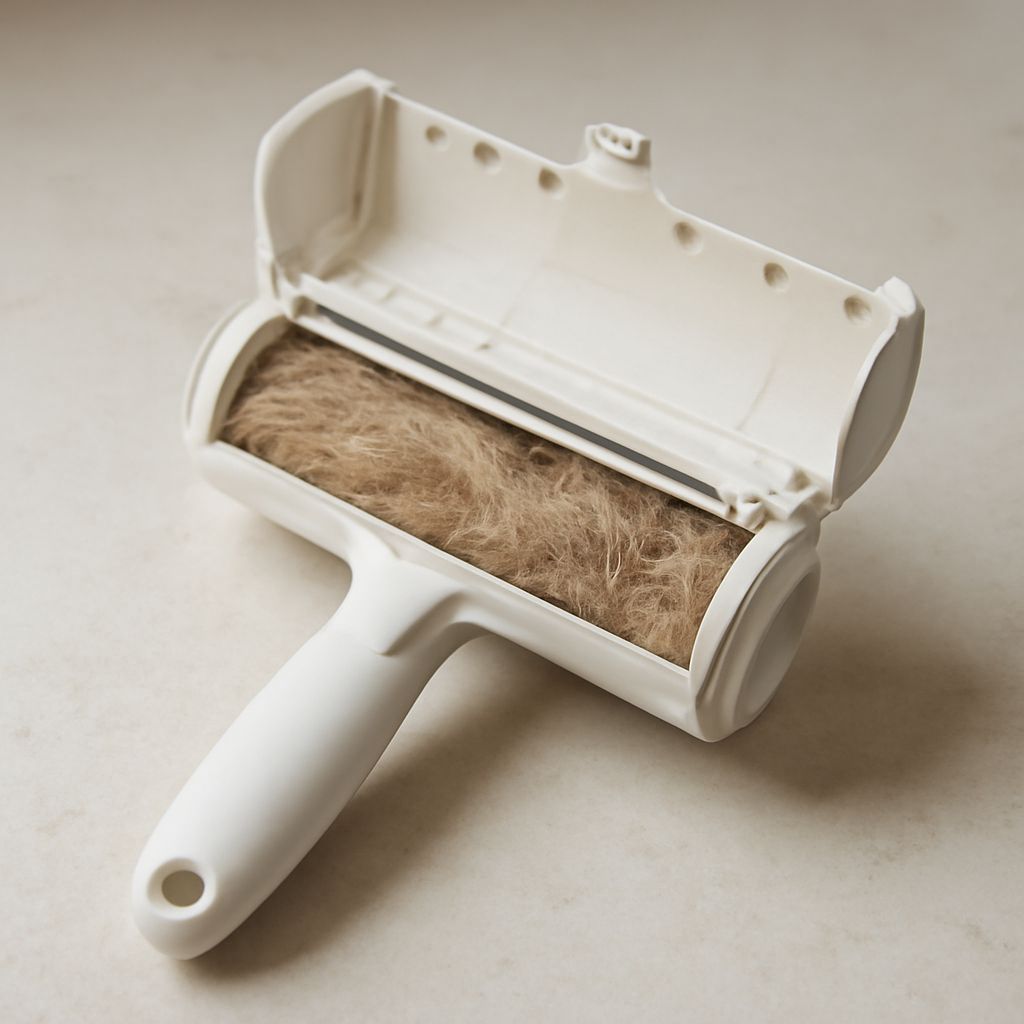
Living with dogs often means dealing with their shedding and the challenge of dog hair everywhere. Regular vacuuming and using lint rollers can efficiently manage hair accumulation on furniture and clothing. Investing in a high-quality air purifier can also capture loose hair floating in the air.
To further control shedding, keep your pet’s coat healthy by feeding them a balanced diet rich in omega-3 fatty acids. This promotes healthy skin and fur, which reduces excessive shedding. Regular baths using dog-friendly shampoos help in removing loose hair before it spreads around your home.
Understanding Dog Skin Turning Black and Losing Hair
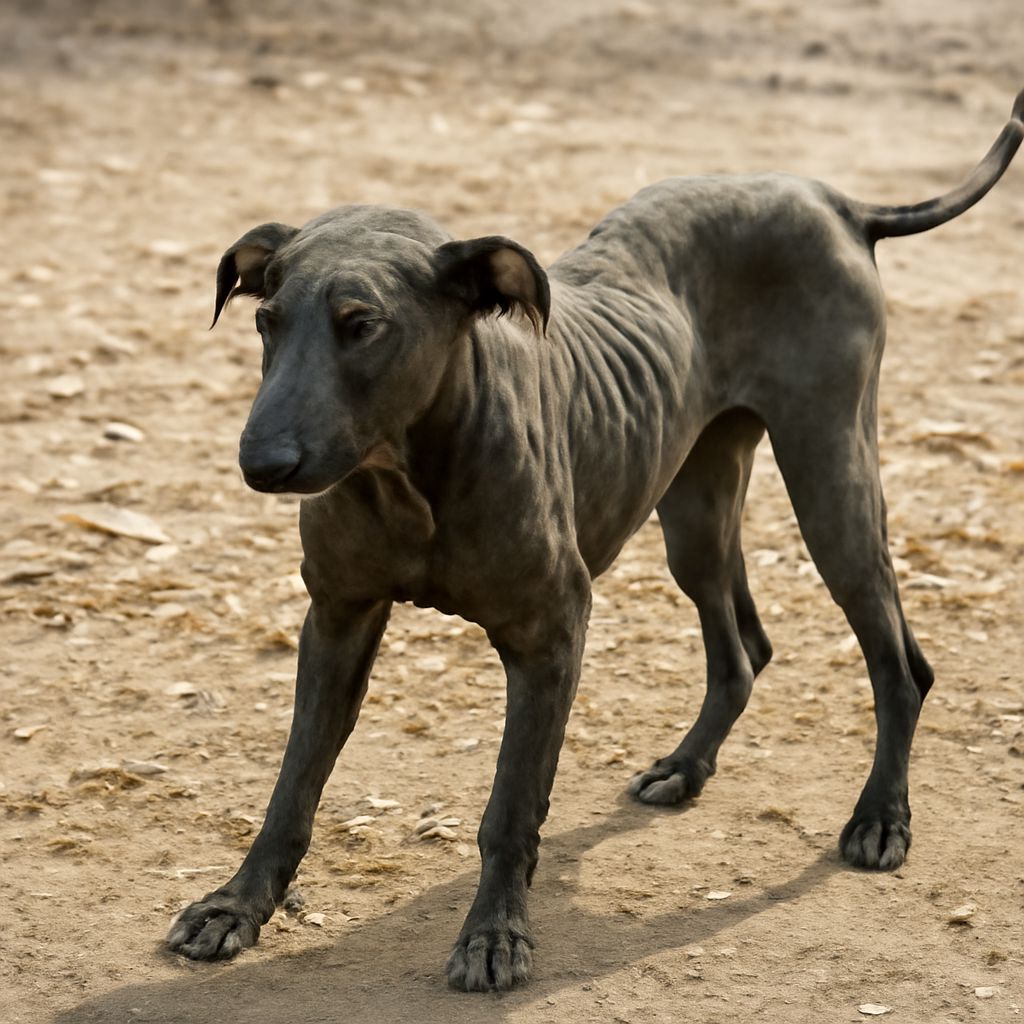
When noticing your dog’s skin turning black and losing hair, it is crucial to identify the cause. Such symptoms could result from allergies, hormonal imbalances, or even bacterial infections. Consulting a veterinary dermatologist is essential to diagnose the underlying condition correctly. They might recommend tests or specific treatments to address the issue.
Maintaining proper skin care through diet and hygiene can prevent some conditions that lead to these symptoms. Ensuring your dog is free from fleas and ticks, which can exacerbate skin problems, is a fundamental preventive measure.
Creative Uses for Dog Hair: From Sweaters to Crafts
Dog hair doesn’t always have to be discarded. Enthusiasts around the world have found innovative ways to utilize their pet’s fur, turning it into dog hair sweaters or using it in various crafts. The process involves cleaning and spinning the dog hair into yarn, which can then be knitted or woven into different items.
Beyond clothing, dog hair can be used for felting, stuffing pillows, or even in gardening as a natural pest deterrent. These creative uses not only reduce waste but also offer a sentimental way to keep a part of your furry friend close.
While managing dog hair might seem daunting, understanding its potential problems and solutions can transform it from a hassle into an opportunity for creativity and improved pet health. Always consult a professional stylist for techniques that require specific expertise, ensuring both you and your pet enjoy the benefits of a well-managed coat.