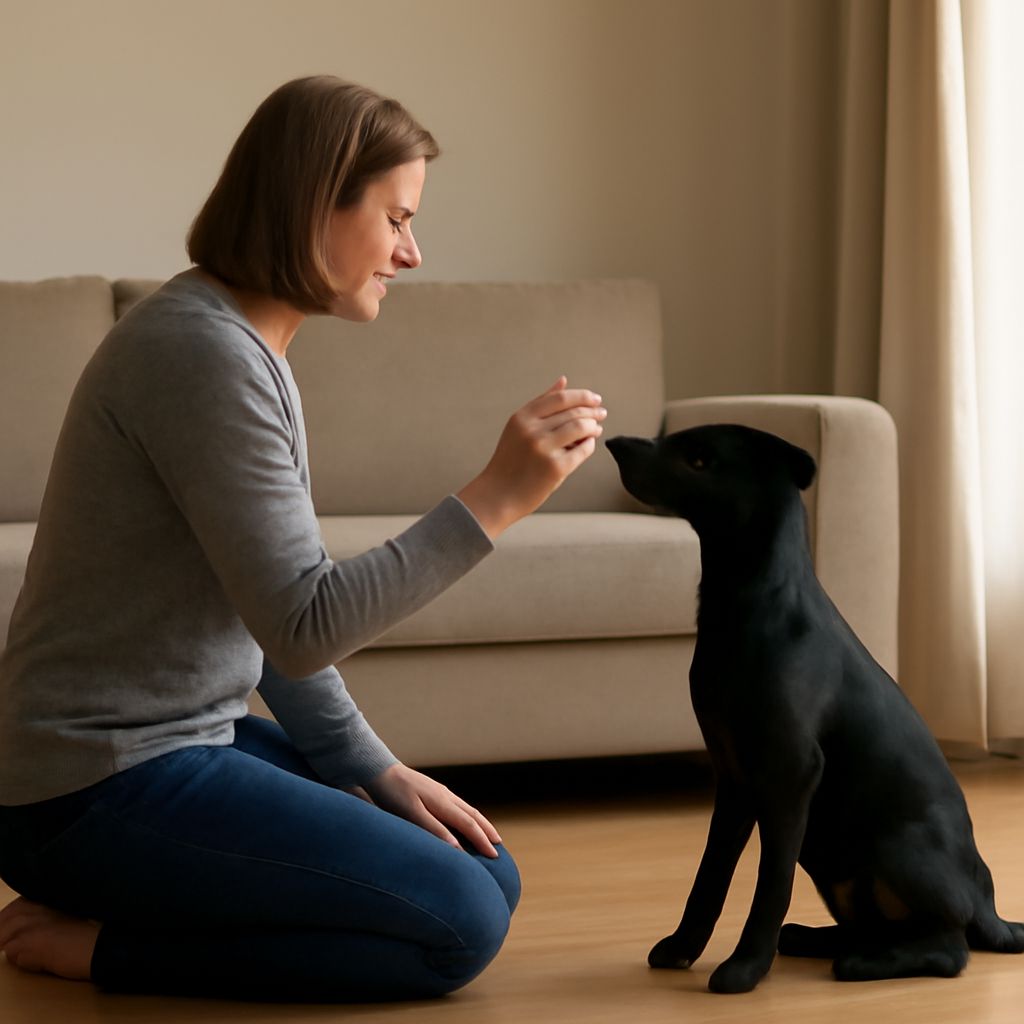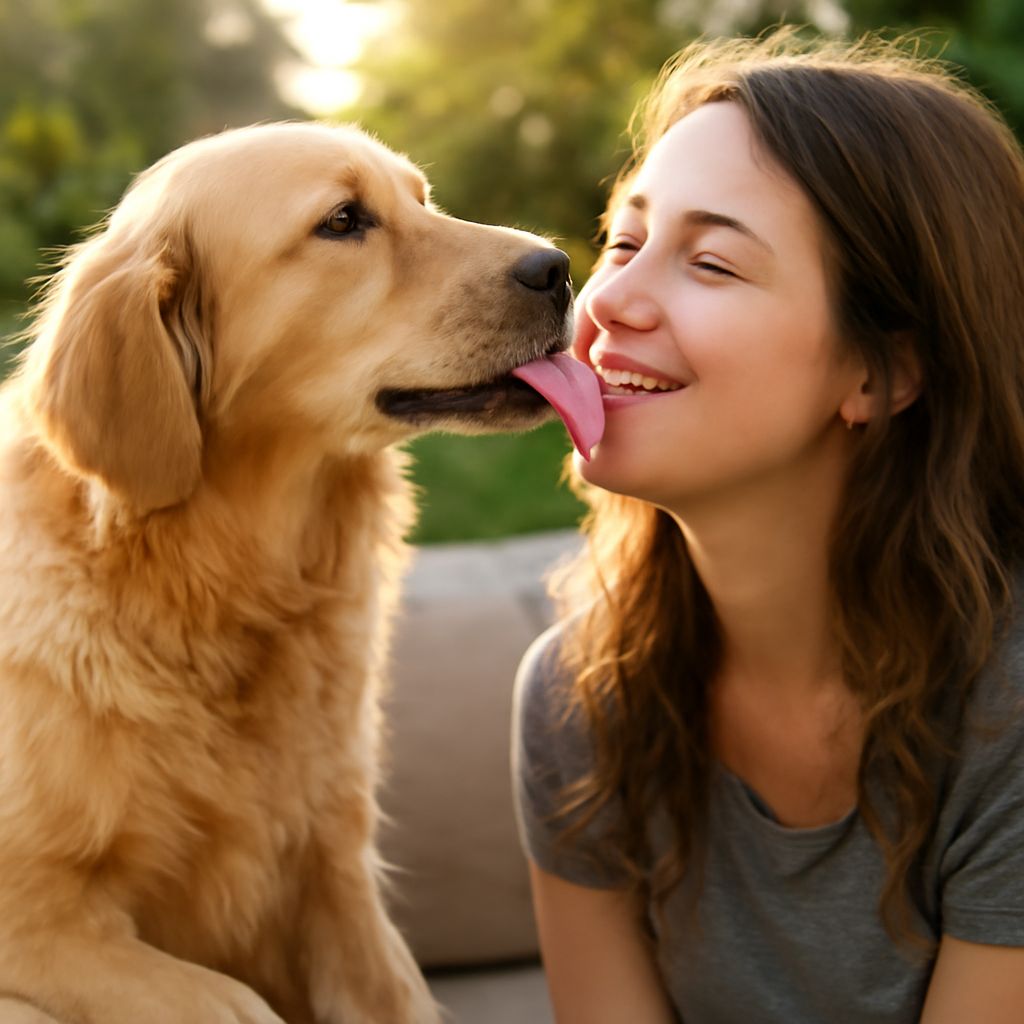
Many dog owners find themselves puzzled by their pet’s unwavering gaze. The behavior of a dog staring is often misinterpreted as an awkward or even challenging gesture. However, understanding the true nature of dog eye contact can transform your relationship with your pet. Let’s dive into why dogs maintain such intense eye contact and how it can enhance training and bonding.
Why Do Dogs Stare?
Dogs have evolved alongside humans, and their ability to communicate through eye contact is part of that evolution. When a dog stares, it can be a sign of various emotions or needs. Some dogs gaze at their owners to express love or curiosity, while others may be seeking guidance or wanting to engage in playful interaction. Recognizing these signals helps in deciphering their intentions.
Beyond the emotional aspects, a canine’s stare can also be tied to their basic instincts. For instance, when a dog stares at a human holding food, it is likely because they are hoping for a taste. In some cases, a dog staring might indicate a need or desire for attention or a bathroom break.
The Meaning Behind Dog Eye Contact
Interpreting dog eye contact requires understanding the context and the individual dog’s personality. For instance, the meaning of a dog’s stare can vary greatly between breeds. Some dogs have a calm demeanor and use their eyes to communicate affection, while others might have a more intense gaze that signals alertness or even mild anxiety.
Dog eye contact can also reflect their training level. Well-trained dogs often look to their owners for cues and commands, using their gaze as a form of communication. This eye contact becomes a critical part of the training process, reinforcing the bond between the animal and the owner.
It is important to note that certain dogs may use their gaze in social situations to display submission or dominance. Understanding these cues can prevent misunderstandings and ensure appropriate responses from both the owner and other dogs.
How to Respond to Dog Stares
Responding to a dog’s stare appropriately can strengthen your bond with your pet. When your dog looks at you lovingly, reciprocating with soft eye contact and gentle words can reinforce that affection. This mutual exchange builds trust and understanding.
If a dog is staring for guidance, responding with clear commands or redirections can be beneficial. This approach not only addresses their immediate needs but also reinforces training principles, making them feel secure and understood.
In situations where a dog’s stare seems to be driven by anxiety or uncertainty, maintain a calm demeanor. Providing reassurance through gentle petting or a soothing voice can help alleviate their concerns. If severe behavioral issues persist, consulting a professional dog behaviorist may be necessary to address underlying problems.
Ultimately, embracing and understanding your dog’s eye contact can enrich your relationship. Interacting based on these visual cues not only aids in effective communication but also enhances the overall well-being of your furry companion.