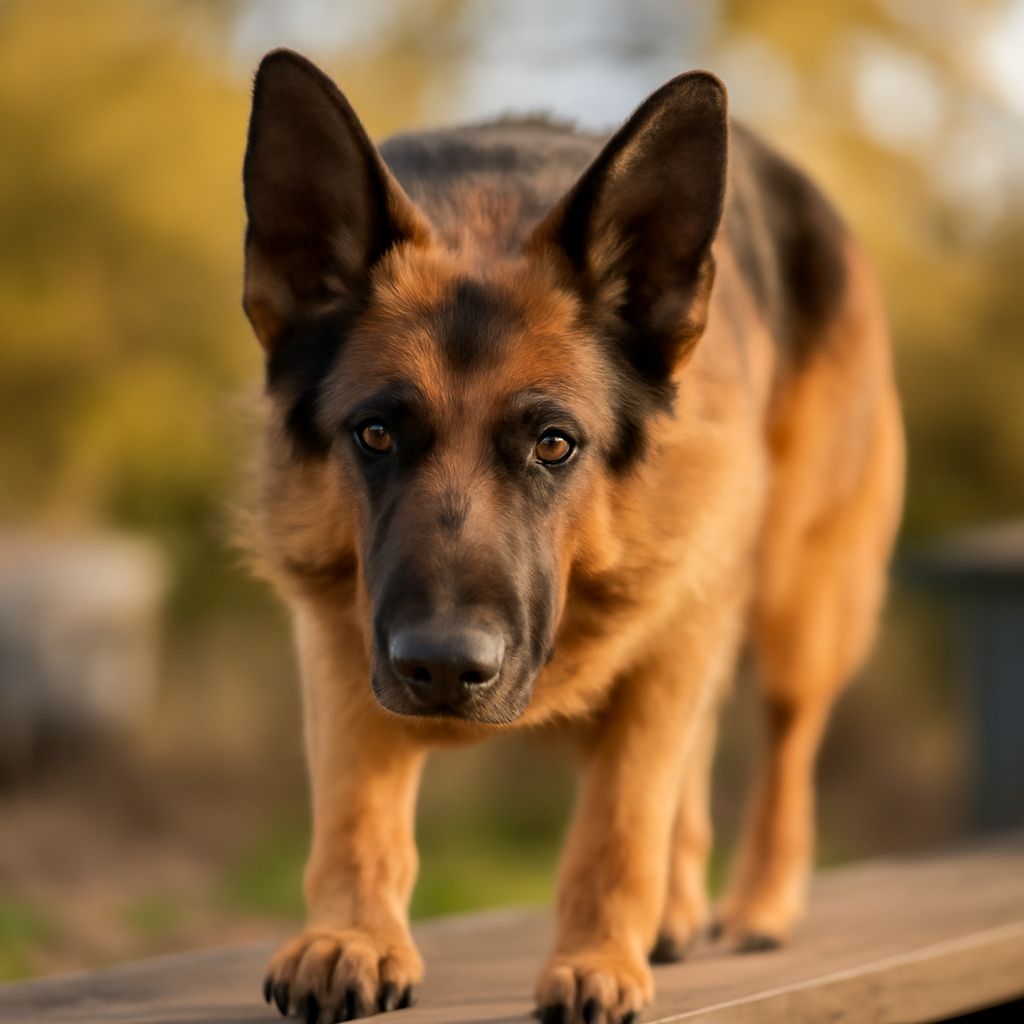
Start by parting your German Shepherd’s short hair with your fingers: look for dense undercoat, loose tufts, and skin you can see without pulling. A short-haired German Shepherd may need only a few minutes of brushing at a time, while a longer coat often calls for extra attention to tangles. Both can leave a remarkable amount of fur on the floor.
The difference is in the job as much as the clock. Shorter hair tends to release loose fur readily; longer hair can catch it in feathering behind the ears, on the legs, and around the tail. Your dog’s coat density, activities, and tolerance for handling will shape the schedule.
German Shepherd Short Hair: The Regular Routine
German Shepherd short hair care starts with understanding the layers. A short haired German Shepherd typically has a dense outer coat and a softer undercoat. The American Kennel Club describes the breed’s double coat. “Short” is a practical comparison here: it does not mean the sleek, close coat of a Boxer.
For a short haired shepherd, begin with a brush every few days. Work in the direction the hair grows, using gentle strokes over the shoulders, sides, and hindquarters. A slicker brush or an undercoat rake suited to the coat can collect loose hair; use a light hand and stop if the skin becomes pink or the dog seems uncomfortable. Empty the brush as it fills so it can keep working.
A short coat German Shepherd may need more frequent sessions when loose undercoat comes away in clumps. Part the hair and check that the brush reaches into the coat without scraping the skin. A few patient passes are better than pressing hard to collect every last hair. You will never defeat the vacuum cleaner’s job security in one afternoon.
What Changes With a Longer Coat?
Longer-coated dogs can have soft feathering around their ears, legs, belly, and tail. Those areas are more likely to pick up burrs, moisture, and friction tangles. Run your fingers through them after walks, especially after a romp through tall grass or a rainy park.
Set aside several brushing sessions a week and increase them if you find knots between sessions. A slicker brush followed by a wide-toothed metal comb helps you check your work: part the coat in small sections, brush gently from the skin outward, and then see whether the comb passes through without snagging. Hold the hair near the skin when working a small tangle loose from its ends. Give your dog a break if the process becomes uncomfortable.
A tight mat sitting close to the skin needs a professional groomer’s attention. Avoid cutting it out with scissors: skin can be pulled into the mat and cut easily. If the skin underneath is red, sore, or smells unusual, contact your veterinarian.
Shedding: How Much Hair Should You Expect?
In the long haired German Shepherd vs short haired comparison, neither coat is a no-shed option. Both can shed throughout the year, with heavier periods when more undercoat comes out. Timing and intensity vary with the individual and environment.
Short hairs may scatter across upholstery and work their way into fabric. Longer hairs are often more visible in tufts and can remain caught in the coat until brushing loosens them. Hair length alone does not reliably tell you which individual dog will fill the vacuum faster.
During a heavy shed, add short daily sessions for either coat. A short-haired German Shepherd’s dense undercoat can release plenty of fur in a single session. Brush outside if practical, and use a tool that reaches loose undercoat without tugging or scraping. The AKC’s grooming advice cautions that de-shedding tools can damage the coat when used incorrectly. Follow the tool’s instructions, avoid repeated passes over one spot, and switch to a gentler brush if your dog’s skin becomes irritated.
A sudden bald patch, persistent scratching, sores, or a marked change in shedding deserves a veterinary appointment. Ordinary loose hair should not leave inflamed skin behind.
Plan for Real Life, Not Just Brush Time
As a planning estimate, allow about 5–10 minutes for a routine session on a shorter coat and 10–20 minutes for a longer one. A German Shepherd with a short-haired coat may need extra time during a shed. A dense coat, a shedding spell, or a dog learning to stand comfortably can take longer. Track a week of actual sessions and adjust: if tangles form before the next appointment with your brush, shorten the interval.
For a German Shepherd with short hair, cleanup may be the bigger daily chore; keep a washable throw on a favorite resting spot and a vacuum or lint roller handy. For a long-haired German Shepherd, add a quick check of the feathering after outdoor adventures. The comparison is about where you spend time: collecting loose hair, separating tangles, and helping the dog stay relaxed all count.
Introduce grooming in small doses. Let your dog sniff the brush, touch it briefly to a shoulder, and reward calm behavior with a treat. Build toward a few strokes at a time, stopping before frustration sets in. A non-slip surface and a comfortable position make a difference, particularly for an older dog with stiff joints. If handling seems painful, ask your veterinarian to check for an underlying problem.
Baths, Drying, and a Coat-Friendly Finish
Bathe when your dog is dirty or smells, using a dog-formulated shampoo and lukewarm water. Brush out loose hair and manageable tangles first; water can tighten existing knots. Rinse thoroughly through the dense coat, then towel-dry and make sure the undercoat dries completely. A dryer on a cool or low setting can help if your dog is comfortable with it; keep it moving and check the temperature against your hand.
For short-haired German Shepherds, work the rinse down to the undercoat rather than stopping at the surface. With shorter hair on a German Shepherd, check the chest and haunches for dampness too. On longer coats, separate damp feathering gently and check that it dries through. Ask a groomer for help if the coat is too dense to dry thoroughly at home.
Routine shaving is not a shortcut to less shedding. The AKC explains that shaving a double coat can damage the outer coat and increase the risk of skin problems or sunburn. A veterinarian or groomer may recommend clipping for a specific medical or severe matting issue.
Choose your interval by what you find in your own dog’s coat: brush more often when loose undercoat builds up or tangles appear, and ease back when the coat stays comfortable and easy to comb between sessions.