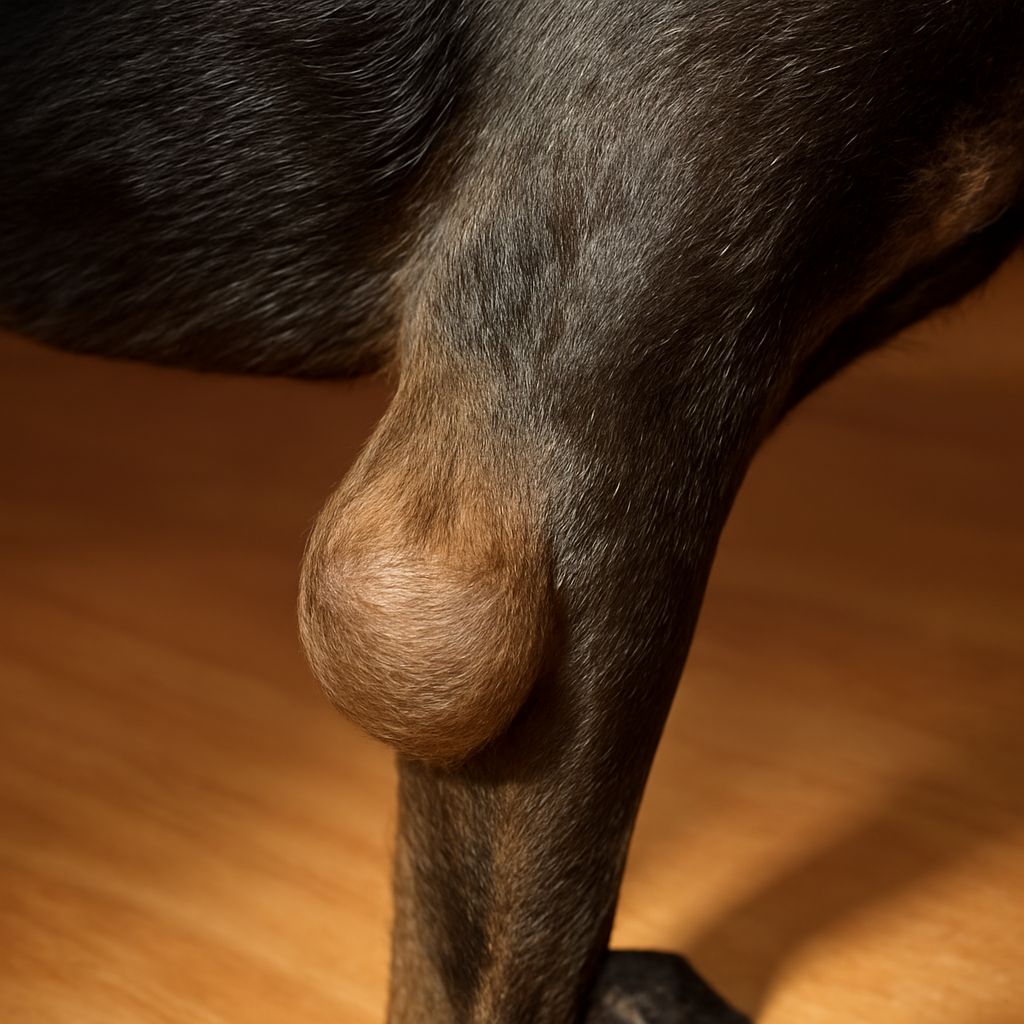
Many dog owners believe that elbow calluses are simply a cosmetic issue, something to be overlooked in favor of more pressing health problems. However, this misconception can lead to unnecessary discomfort for your pet. A dog elbow callus, often mistaken for a harmless patch of rough skin, can actually develop into painful sores if not properly managed. Understanding these skin conditions and their impact on your dog’s well-being is essential for providing the best care possible.
Contrary to popular belief, elbow calluses are not a natural part of aging for all dogs. While some may be prone to developing these hardened skin patches, especially on bony areas like the elbows, others may never encounter them. Factors such as the dog’s size, weight, and living environment significantly contribute to the formation of these calluses. Let’s delve into what causes these calluses and explore effective treatment options.
What Causes Dog Elbow Callus?
A dog elbow callus typically forms due to repeated pressure and friction on the elbow area. This repetitive contact with hard surfaces like floors or the ground can lead to the thickening of the skin as the body attempts to protect itself. Larger breeds, such as Great Danes or Mastiffs, are particularly susceptible due to their size and the amount of pressure exerted on their joints when lying down.
Environmental factors also play a role in the development of dog calluses. Dogs that predominantly rest on hard surfaces or spend a lot of time outdoors on rough terrains are more likely to develop these patches. Cold weather can exacerbate the problem, as it causes the skin to dry out more easily, increasing the risk of callus formation on the elbows.
How to Prevent Dog Callus Formation
Preventing the formation of dog calluses begins with providing your pet with cushioned bedding. Ensuring that your dog has a soft place to rest can significantly reduce the pressure on their elbows, thus minimizing the risk of callus development. If your dog spends time outdoors, consider setting up a comfortable resting area with pillows or blankets to reduce exposure to hard surfaces.
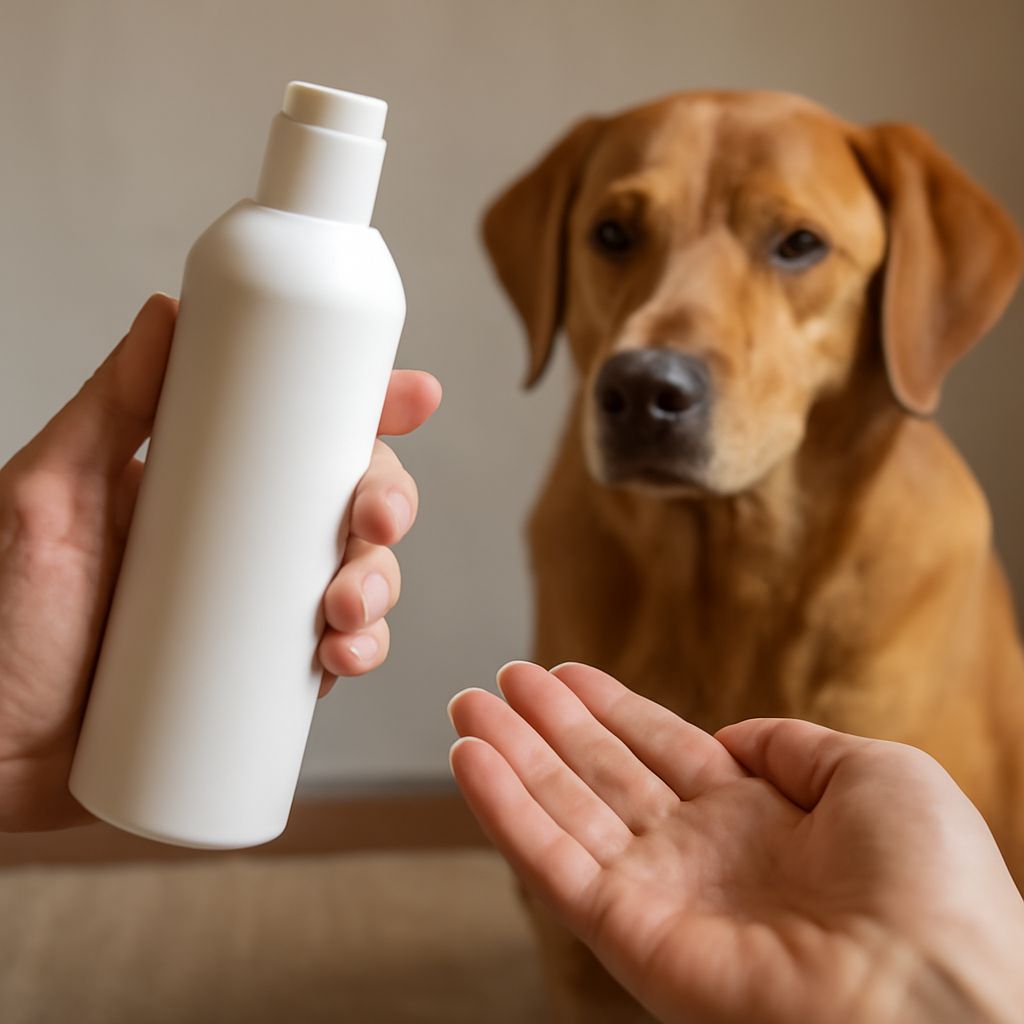
Maintaining your dog’s skin health is equally important. Regular moisturizing can help keep the skin supple and less prone to cracking. Use a pet-safe moisturizer and apply it to your dog’s elbows on a regular basis, particularly in dry or cold conditions. Grooming can also play a role; keeping your dog’s coat trimmed and clean reduces the likelihood of skin irritation.
Effective Dog Elbow Callus Treatment Options
Once a dog elbow callus has formed, there are several treatment options to consider. Soothing ointments designed for pets can alleviate discomfort and promote healing. Choose a veterinarian-approved product that hydrates dry calluses and softens the skin.
If a callus becomes cracked or sore, more intensive care may be needed. In these cases, it’s advisable to consult a licensed veterinarian for professional advice. They may recommend treatments such as medicated baths or prescription creams to prevent infection and expedite healing.
In some instances, dog elbow callus treatment might involve implementing lifestyle changes. Encouraging your dog to rest in different positions can relieve pressure points and allow existing calluses to heal. Regular veterinarian check-ups are also crucial to monitor any changes or complications in the condition of your dog’s skin.
Safety recap: When treating dog calluses, always choose pet-safe products and consult a veterinarian if the skin appears severely damaged or infected. Prioritizing your dog’s comfort and skin health will ensure their well-being and prevent further complications.