Many dog owners may have heard of GDV, but GVD dog health concerns are often shrouded in myths and misconceptions. Some believe it is a rare occurrence or that it only affects certain breeds. While it is indeed more common in larger breeds, GDV is a critical condition that can potentially affect any dog. Understanding the symptoms, causes, and treatments of GDV in dogs is crucial for ensuring your pet’s safety.
The term GDV, or Gastric Dilatation-Volvulus, refers to a serious health condition that can rapidly become life-threatening. It is not merely a case of a bloated stomach; the condition involves the stomach twisting on itself, leading to severe complications. Prompt veterinary attention is essential for a favorable outcome, making it vital for dog owners to recognize the signs and take immediate action.
What is GDV in Dogs?
GDV in dogs is a medical emergency characterized by the sudden swelling and rotation of the stomach. When the stomach expands, it can twist around its axis, cutting off blood supply and trapping gases and food. This impedes the normal circulation of blood and can lead to shock and other severe systemic reactions if not addressed promptly.
Commonly referred to as bloat, this condition can happen quickly and without warning. While any dog can experience GDV, it is most frequently seen in deep-chested breeds like Great Danes, German Shepherds, and Boxers. Recognizing early symptoms such as restlessness, excessive drooling, and unsuccessful attempts to vomit can be critical in seeking timely medical intervention.
What Causes GVD in Dogs?
The precise causes of GVD in dogs are not entirely understood, but several factors are known to contribute to its development. Dietary habits play a significant role, with risk factors including eating one large meal a day, consuming food too rapidly, and eating from a raised bowl. Stress and genetic predisposition may also increase the likelihood of an occurrence.
In addition to genetic and environmental factors, age and body structure are important considerations. Older dogs and those with deep, narrow chests are more susceptible to the condition. Any sudden change in feeding routine or exercise habits can also precipitate an episode of GVD, indicating the need for consistency and moderation in a dog’s lifestyle.
How is GDV in Dogs Treated?
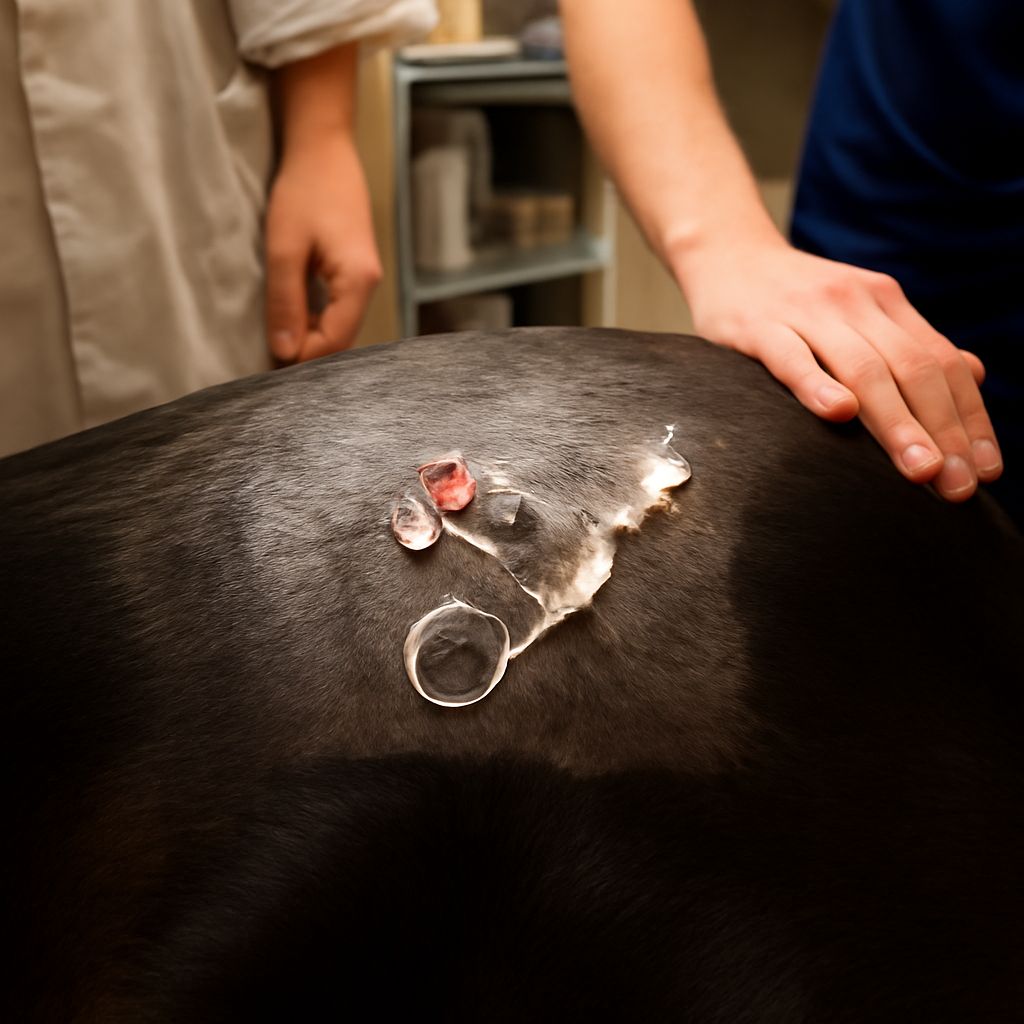
Immediate treatment is vital for dogs diagnosed with GDV. Veterinary care typically involves stabilizing the dog, decompressing the stomach, and surgically untwisting it. Intravenous fluids and medications to manage shock and pain are often administered as part of the initial emergency response.
Surgery is commonly required to correct the stomach’s position and may involve a procedure known as gastropexy, which secures the stomach to prevent future twisting. Post-surgical care is essential for recovery, requiring close monitoring and supportive care to prevent complications such as infection or arrhythmias.
Can GDV in Dogs be Prevented?
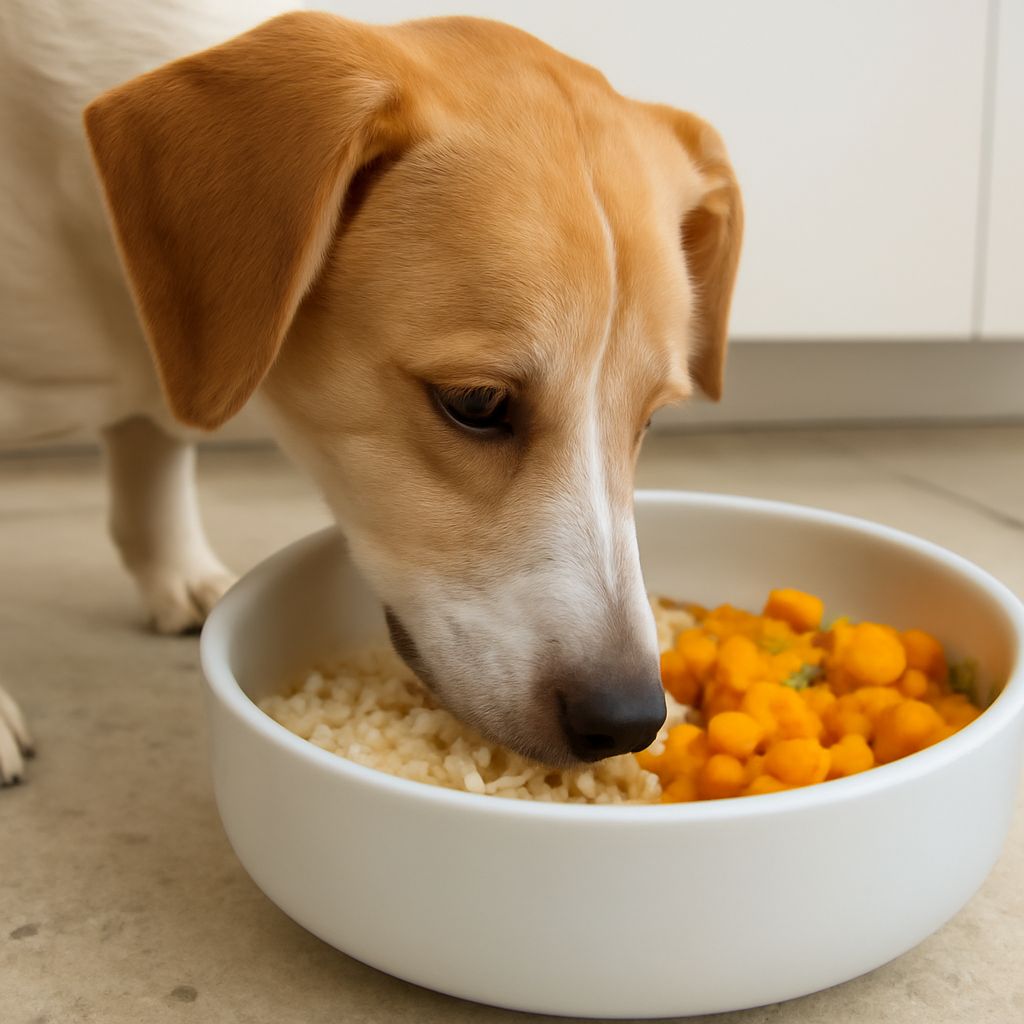
While it’s impossible to completely eliminate the risk of GDV, certain preventative measures can significantly reduce the likelihood of its occurrence. Feeding smaller meals more frequently, avoiding vigorous exercise immediately after eating, and using slow-feed bowls can help mitigate risk factors.
For breeds at higher risk, a prophylactic gastropexy might be considered. This surgical procedure can prevent the stomach from rotating, thereby reducing the chances of GDV. Consulting with a veterinarian about the best preventive strategies for your dog’s specific needs is advisable, especially if your pet belongs to a susceptible breed.
Bottom line: GDV is a serious and potentially fatal condition that requires immediate attention. Understanding the signs, causes, and treatment options is crucial for dog owners. Preventive measures and early recognition can significantly enhance the chances of a positive outcome for affected pets.