Many pet owners believe that only humans are susceptible to health issues like umbilical hernias, but this is a misconception. Dogs can also experience umbilical hernias, and it’s crucial for owners to understand how to manage them. Another myth is that only severe cases of hernias require medical attention; however, even mild cases should be monitored closely. It’s equally important to differentiate between a hernia and other conditions, such as a dog’s broken toe, which may present different symptoms and require different approaches. By understanding these factors, owners can provide better care and make informed decisions about their dog’s health.
Some may dismiss umbilical cord issues as trivial or assume that they occur only in puppies. While puppies are often affected, adult dogs can also develop umbilical hernias. Whether your dog is a frequent visitor at the hot dog diner or spends most of their time lounging at home, understanding the signs and interventions available can drastically improve their quality of life.
What is an Umbilical Hernia in Dogs?
An umbilical hernia in dogs occurs when there is an opening in the abdominal wall at the site of the umbilical cord. This defect allows tissues, such as fat or intestines, to protrude through the opening, forming a bulge near the dog’s navel. This condition can be congenital, meaning the dog is born with it, or it can develop later in life due to other factors.
While some hernias are small and pose minimal risk, others can be severe and may lead to complications such as strangulation of the intestines. The seriousness of the hernia can vary, making it essential to understand the specific condition of your dog and to seek appropriate medical advice when necessary.
How to Identify an Umbilical Hernia in Your Dog
Identifying a dog’s umbilical hernia is a straightforward process if you know what to look for. Typically, you will notice a soft swelling or bulge in the navel area. This bulge may become more apparent when the dog is barking, running, or experiencing some form of physical exertion. It’s less common but possible for the hernia to cause discomfort or pain.
Other symptoms that may accompany an umbilical hernia include lethargy, a reduced appetite, or vomiting, especially if the hernia is severe and affecting the intestines. If you observe any of these signs, it’s important to consult with a veterinarian to confirm the diagnosis and prevent complications.
What are the Treatment Options for a Dog’s Umbilical Hernia?
Treatment for an umbilical hernia in dogs depends on its size and severity. For minor cases, where the hernia is small and asymptomatic, a wait-and-see approach may be recommended by a vet. These hernias might close on their own as the dog grows.
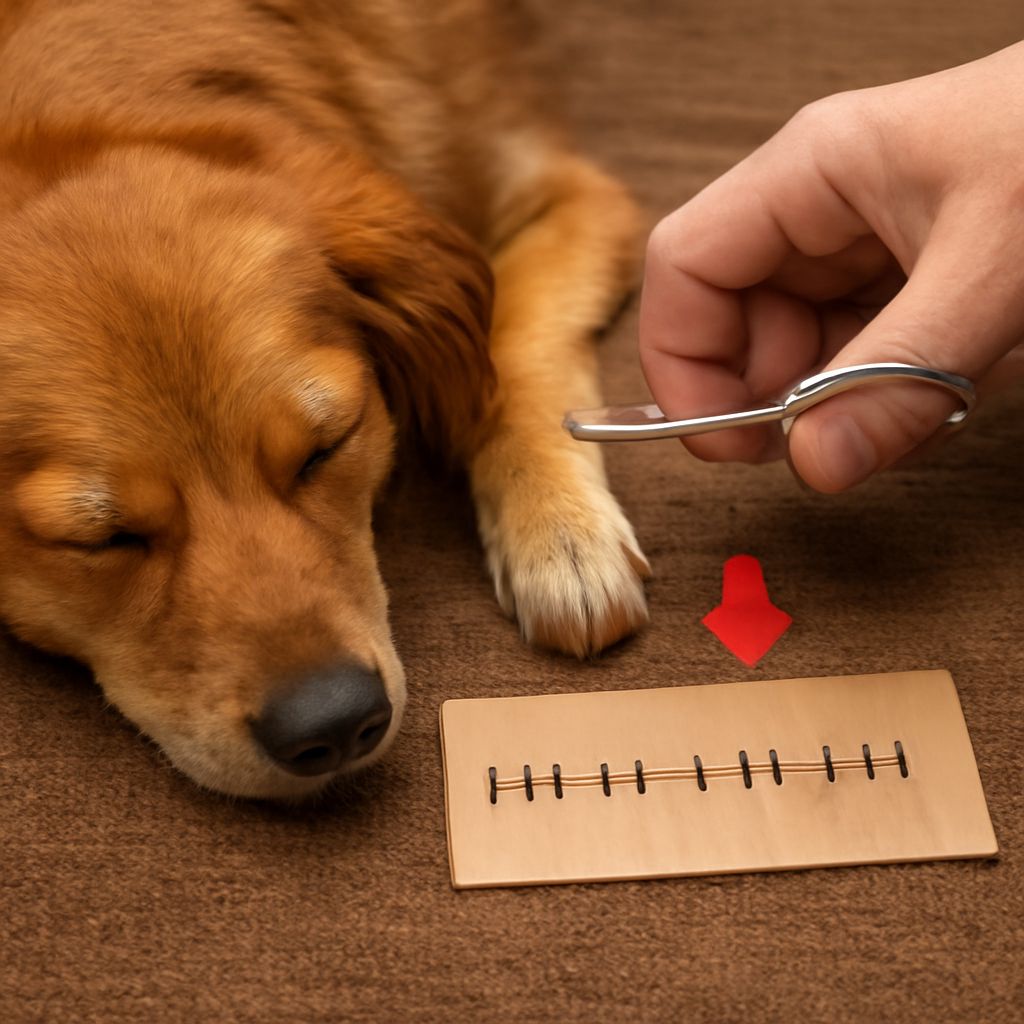
For larger or more problematic hernias, surgical intervention is often necessary. The surgical procedure involves closing the opening in the abdominal wall to prevent further protrusion of tissue. Surgery is generally recommended for hernias that cause pain, pose a risk of strangulation, or do not resolve naturally by a certain age.
It is advisable to consult a licensed veterinarian to determine the best course of action for your dog’s particular situation. Veterinarians can provide professional guidance on whether surgery is needed or if monitoring is sufficient.
Bottom line: Understanding umbilical hernias in dogs and identifying symptoms early can make a significant difference in your pet’s health. Consulting with a veterinarian ensures that your dog receives appropriate care and treatment, whether the hernia is minor or severe. Prioritizing proactive health measures will contribute to your dog’s overall well-being and quality of life.