Many pet owners are surprised to find that what they thought was a tick on their dog is actually just a harmless skin tag. This can cause unnecessary worry, as the difference between a dog skin tag or tick is crucial for proper care. Similarly, when a dog skin tag starts bleeding, pet parents often panic, fearing the worst. Understanding the nature of these skin anomalies and knowing the dog skin tag vs wart differences can significantly aid in providing the best care for our furry friends.
Skin tags on dogs are often mistaken for other more serious conditions, leading to undue concern. By learning how to differentiate a dog skin tag from a wart or tick, you can ensure appropriate treatment and avoid panic. This guide will help you identify and manage these common skin growths, so you can focus on keeping your pet happy and healthy.
What is a Skin Tag on a Dog?
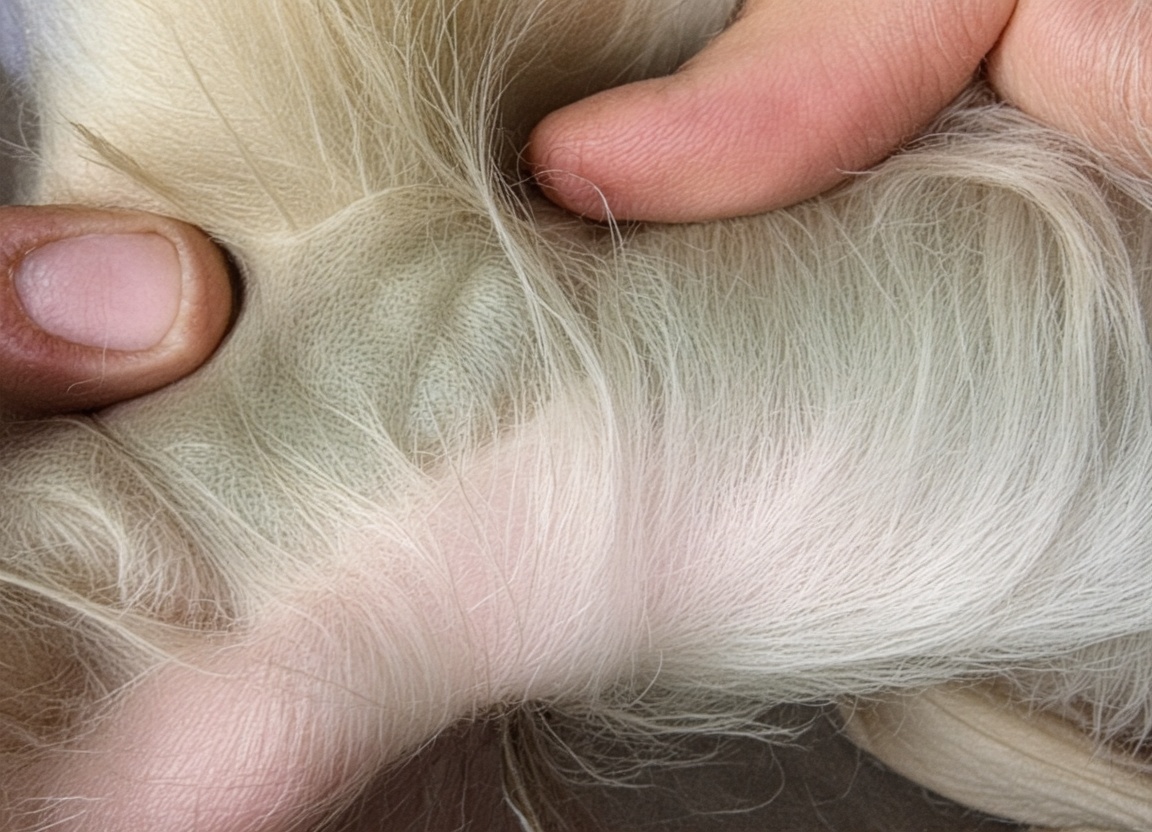
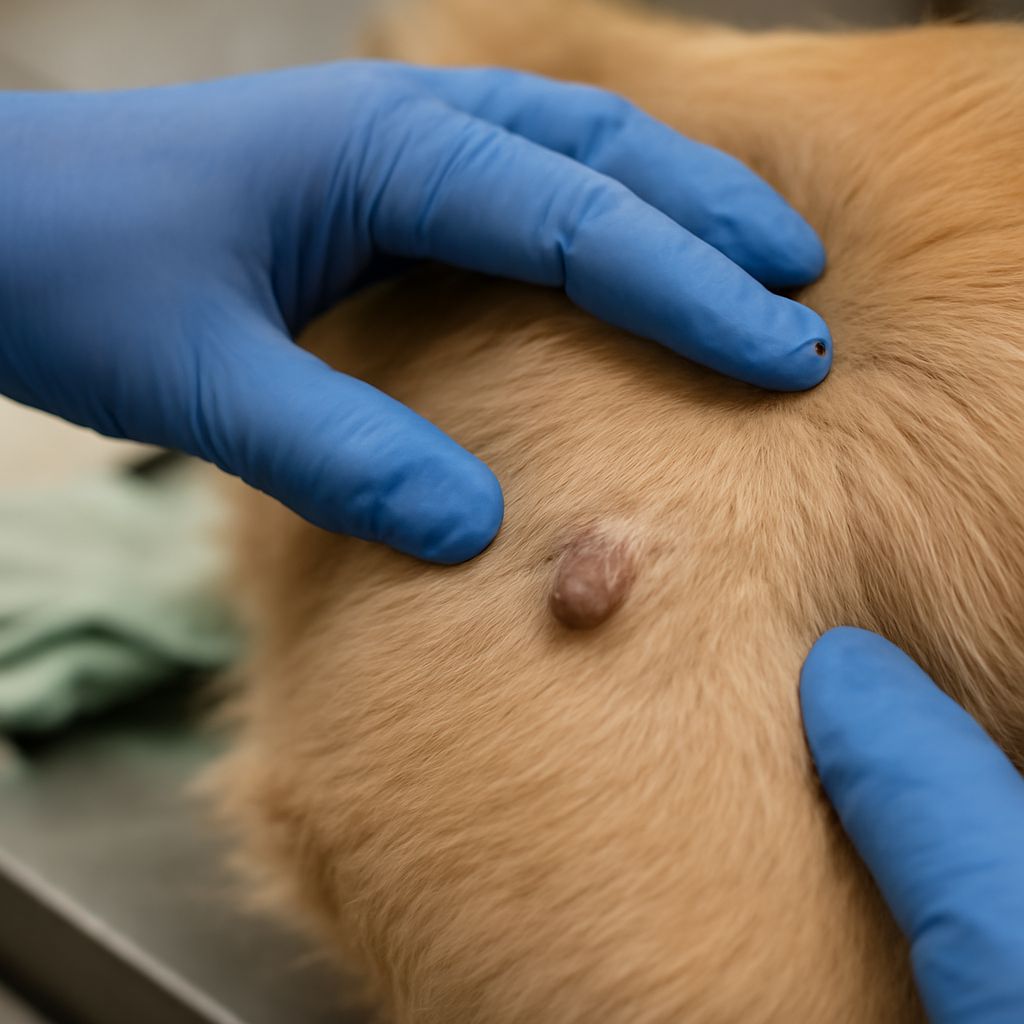
A skin tag on a dog is a benign growth that appears on their skin, usually resembling a small, soft bump. These tags can vary in size and color, but they are typically flesh-colored. They are generally harmless and don’t require medical intervention unless they cause discomfort or become a cosmetic concern for the pet owner. Skin tags can appear anywhere on a dog’s body but are most commonly found on areas where the skin folds or is prone to friction.
Although skin tags are benign, it’s always a good idea to have them examined by a veterinarian during routine check-ups to ensure they haven’t changed in appearance or behavior. Regular monitoring can help prevent any complications from arising.
How to Differentiate Between a Dog Skin Tag or Tick
Distinguishing a dog skin tag from a tick is critical, as ticks can pose a health risk to your pet. Ticks are external parasites that latch onto your dog’s skin, feeding on their blood. Unlike skin tags, ticks have legs, which makes them mobile. A close examination can help determine if the growth is a tick; look for tiny legs around the base of the bump.
Using a magnifying glass can aid in identifying these characteristics. If you suspect the growth is a tick, it’s essential to remove it promptly and safely, as ticks can transmit diseases. If you are unsure, seek advice from a veterinary professional for accurate identification and removal.
What to Do If a Dog Skin Tag is Bleeding
If a dog skin tag starts bleeding, it might be due to irritation or accidental trauma. The first step is to clean the area gently with mild soap and water to prevent infection. Apply slight pressure using a clean cloth to stop the bleeding.
Once the bleeding has stopped, monitor the area for signs of infection such as swelling, redness, or persistent bleeding. If any of these symptoms occur, consult your veterinarian. In some cases, removal may be recommended, particularly if the tag frequently bleeds or causes discomfort to the dog.
Dog Skin Tag vs Wart: How to Tell the Difference
Warts and skin tags can look similar, but they have distinct differences. Dog skin tags are soft and often dangle from the skin, while warts tend to be harder and have a rough texture. Warts are usually caused by a viral infection and may appear in clusters, whereas skin tags are isolated growths.
To accurately identify these growths, a veterinary examination can provide clarity. If a wart is suspected, a vet may recommend treatment options to prevent potential spread or irritation. Understanding these differences ensures your dog receives the right care and management.
Bottom line: Identifying and managing skin tags on your dog is key to maintaining their wellbeing. Regular veterinary check-ups, prompt action when changes occur, and understanding the differences between skin tags and other growths like ticks and warts can all contribute to effective pet care. Always consult your veterinarian for advice tailored to your pet’s specific needs.