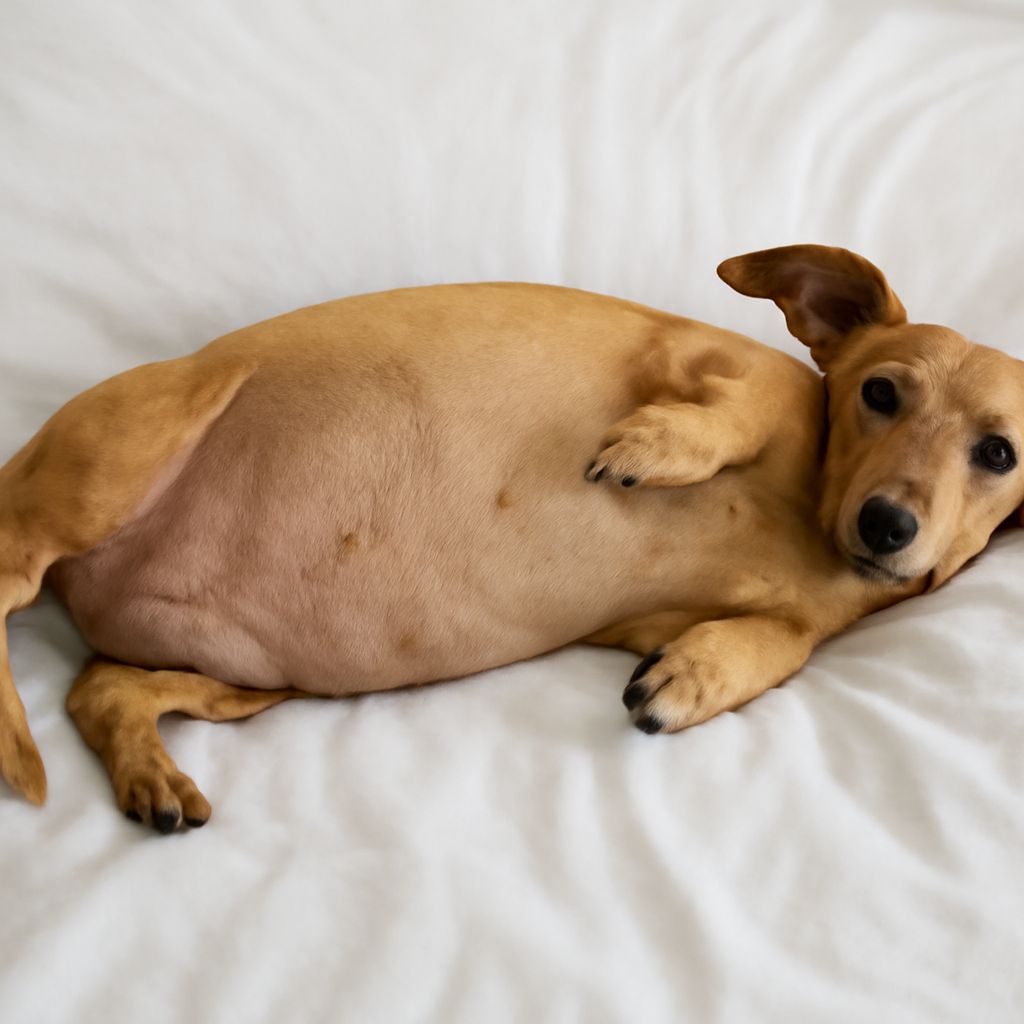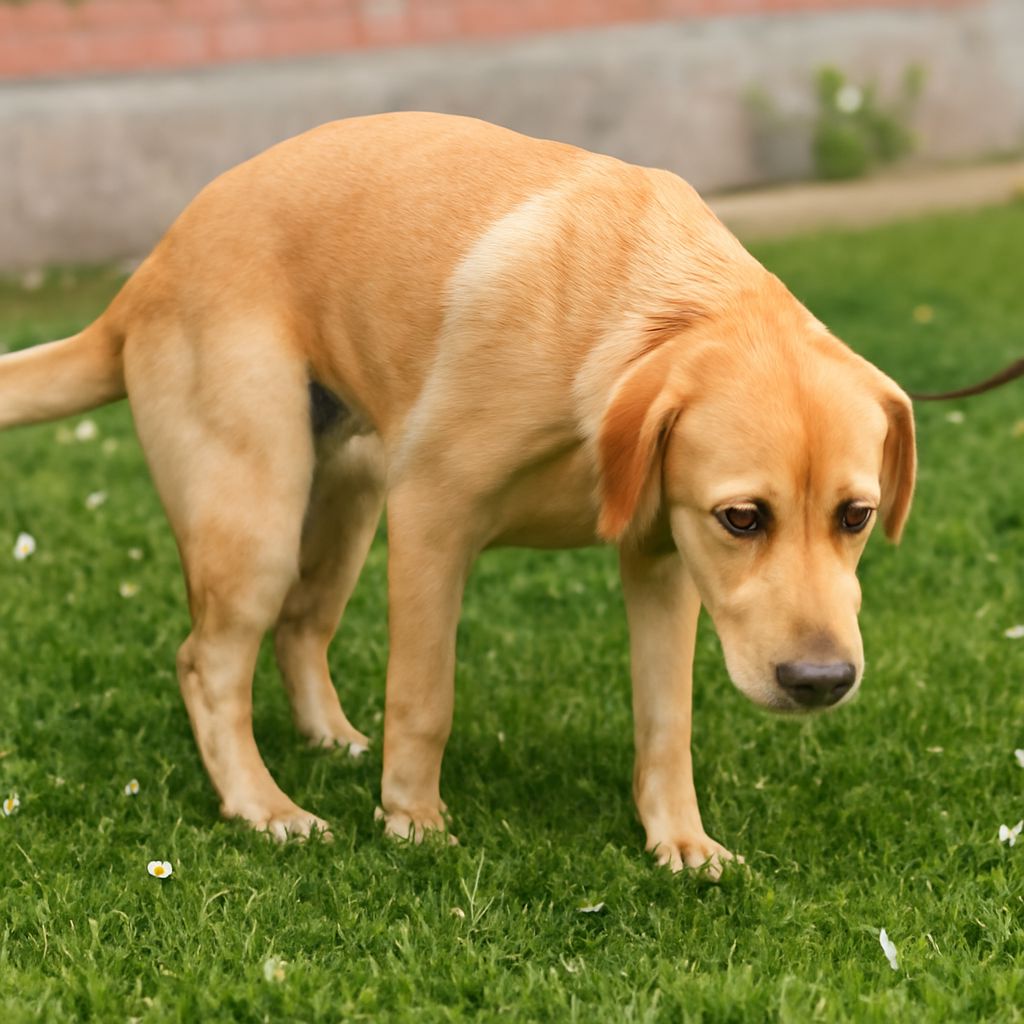
Watching your beloved pet wobble can be distressing, especially when you notice your dog is wobbly and off balance. It’s natural to jump to conclusions, perhaps fearing the worst. However, understanding the myriad reasons that could be making your dog appear drunk can help alleviate unnecessary panic. Despite common misconceptions, not every instance of dog staggering like drunk is due to a severe health issue. Sometimes, the causes are benign and manageable.
When my dog stumbles, it might be tempting to assume it’s a result of major medical problems. Yet, the reality is varied. There are many potential explanations, some of which are simple and straightforward. Whether it’s temporary dizziness or a more chronic condition, knowing the reasons behind such behavior can empower pet owners to make informed decisions about their dog’s care.
Understanding Why Your Dog Is Wobbly
Assessing why a dog presents a wobbly gait is crucial in determining the next steps. Dogs may experience balance issues due to inner ear infections, which affect equilibrium. Another common reason is vestibular disease, often described as the “doggy vertigo,” leading to symptoms resembling drunkenness.
Age can also play a role. Older dogs might exhibit unsteady behavior as part of natural aging, impacting their coordination. However, sudden onset of wobbliness warrants immediate attention, as it could signal neurological issues or metabolic disorders.
Common Causes of Dog Stumbling
Several factors can contribute to a dog stumbling unexpectedly. Ear infections, particularly those affecting the inner ear, can disrupt balance significantly. It’s advisable to consult a licensed veterinarian for treatment if an ear infection is suspected.
Vestibular disease is another prevalent cause, often characterized by head tilting and circling behavior. This condition usually requires veterinary evaluation to rule out other serious concerns. Additionally, toxic ingestion might lead to symptoms similar to drunkenness, underscoring the need for urgent medical intervention.
Neurological conditions, such as ataxia, can result in uneven movement and coordination problems. Seeking professional advice from a veterinarian can help diagnose and treat such issues effectively.
How to Help Your Dog Regain Balance
Restoring your dog’s balance involves identifying and addressing the underlying causes. For ear infections, prescribed medication can alleviate discomfort and restore equilibrium. If vestibular disease is diagnosed, supportive care and monitoring are essential during recovery.
Creating a safe environment is vital. Remove obstacles that could exacerbate stumbling and ensure your dog has a comfortable space to rest. Monitoring your dog’s diet and avoiding exposure to toxins can prevent potential poisoning symptoms.
When dealing with neurological problems, professional veterinary guidance is indispensable. Treatments might include medication or physiotherapy tailored to your dog’s needs. Regular check-ups can aid in tracking progress and adapting care strategies as necessary.
Understanding and addressing the causes of wobbliness in dogs can significantly enhance their quality of life. Approaching the situation with empathy and informed action allows pet owners to support their furry friends in regaining stability and comfort.