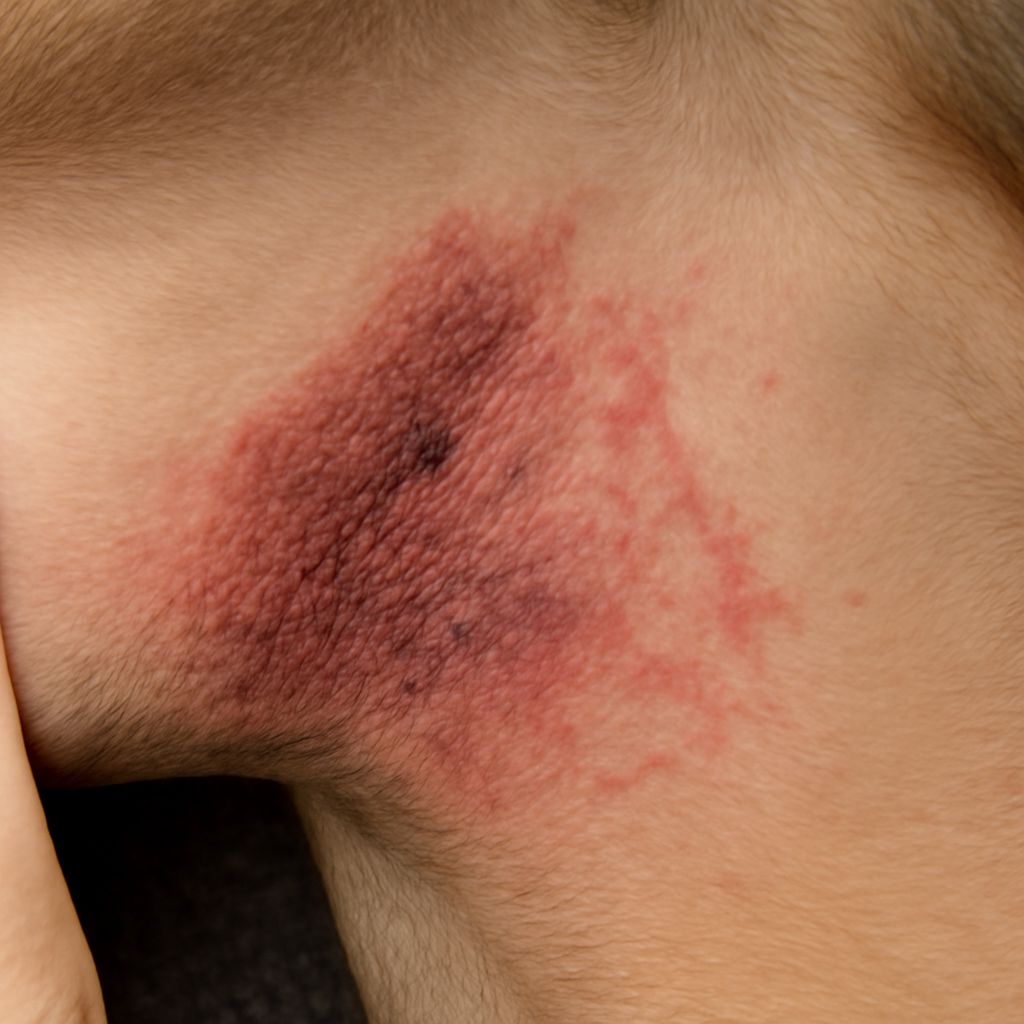
Many pet owners mistakenly believe that dogs cannot suffer from conditions like psoriasis. While true psoriasis is rare in dogs, canine skin issues often mimic this human condition, leading to confusion. Among these, the presence of a skin ulcer on dog can be particularly alarming, as it may indicate an underlying problem such as infection or autoimmune disorders. Understanding dog skin ulcers and related eye conditions is crucial for providing appropriate care to your furry friend.
Misconceptions abound regarding skin health in dogs. For instance, some owners may not realize that ailments affecting the dog eyes and skin can be interconnected. Therefore, recognizing the signs and symptoms of these issues becomes essential. This article will serve as a guide to identifying, understanding, and addressing various skin conditions and their potential impact on your dog’s overall health.
What is Dog Psoriasis?
Dog psoriasis, while not commonly recognized as a distinct disorder, refers to a set of symptoms resembling human psoriasis. These symptoms might include dry, flaky patches of skin, redness, and itchiness. Unlike in humans, true psoriasis in dogs is quite rare. However, conditions like seborrhea or dermatitis can present similar symptoms and are often mistaken for psoriasis.
It’s essential to observe changes in your dog’s skin condition carefully. When in doubt, a veterinary consultation can provide clarity and help rule out or confirm potential diagnoses. Treatments will vary depending on the actual condition affecting your pet.
How to Identify a Skin Ulcer on Dog?
Signs of Dog Skin Ulcers
A skin ulcer on a dog can be identified by the presence of an open sore or wound that fails to heal. These ulcers may appear red, swollen, and sometimes ooze or bleed. The dog may also exhibit signs of discomfort, such as excessive licking or scratching of the affected area.
Common Causes of Dog Ulcers
Several factors can lead to the development of skin ulcers in dogs. Common causes include bacterial or fungal infections, parasites, and physical trauma. Additionally, underlying health issues such as autoimmune diseases or allergies can predispose dogs to ulcer formation. Proper diagnosis from a veterinarian is vital to determine the exact cause and administer the correct treatment.
What Conditions Affect Dog Eyes and Skin?
Numerous conditions can affect both the dog eyes and skin. Allergic reactions often manifest in the form of irritated skin and watery or red eyes. Infections or inflammations such as conjunctivitis can also have dual manifestations, impacting both areas simultaneously.
Additionally, autoimmune disorders may present symptoms that include skin ulcerations and eye problems. Monitoring your pet for any changes in behavior or appearance can facilitate early detection and treatment.
How to Treat Dog Skin Conditions?
Treatment for dog skin conditions varies widely depending on the underlying cause. For mild conditions, over-the-counter topical treatments or medicated shampoos may suffice. However, more severe cases such as widespread skin ulcers or persistent infections necessitate veterinary intervention.
It’s crucial to avoid self-diagnosing complex issues. A licensed veterinarian can provide accurate diagnosis and treatment plans, ensuring that any dog skin ulcers or eye conditions are addressed appropriately. In some cases, referral to a veterinary specialist or dermatologist might be recommended for advanced care.
Regular grooming and maintenance, coupled with a balanced diet, can help maintain skin and coat health, potentially preventing some conditions from developing. Always consult your veterinarian to tailor a care plan suited to your dog’s specific needs.