Many dog owners assume that ear infections stem solely from poor hygiene or external factors like water exposure. However, understanding the root causes and appropriate treatments is crucial in tackling this common canine condition. A dog yeast ear infection, often misunderstood, can lead to discomfort and distress for your pet if not identified and treated promptly. Exploring the causes and symptoms of yeast infection in dog ears is the first step in ensuring your dog’s ear health.
Being aware of this condition allows pet owners to take proactive measures, preventing frequent infections and maintaining overall well-being for their pets. This article will delve into the reasons behind dog ear yeast, how to recognize a yeast ear infection, and explore effective treatments to keep your furry friend healthy and happy.
What Causes Dog Ear Yeast?
Dog ear yeast infections are primarily caused by an overgrowth of the yeast Malassezia. This yeast normally resides in small amounts on the skin and in the ears of dogs. A variety of factors can disrupt the balance, leading to an infection. Moisture is a common contributor; dogs that swim frequently or have floppy ears are prone to this issue due to trapped moisture creating a conducive environment for yeast overgrowth.
Another factor is allergies. Food allergies or environmental allergens like pollen can trigger an inflammatory response, altering the natural flora in a dog’s ear and promoting yeast proliferation. Furthermore, hormonal imbalances, such as hypothyroidism, can also predispose dogs to recurrent yeast infections by affecting the skin’s health and immunity.
How to Identify a Dog Yeast Ear Infection
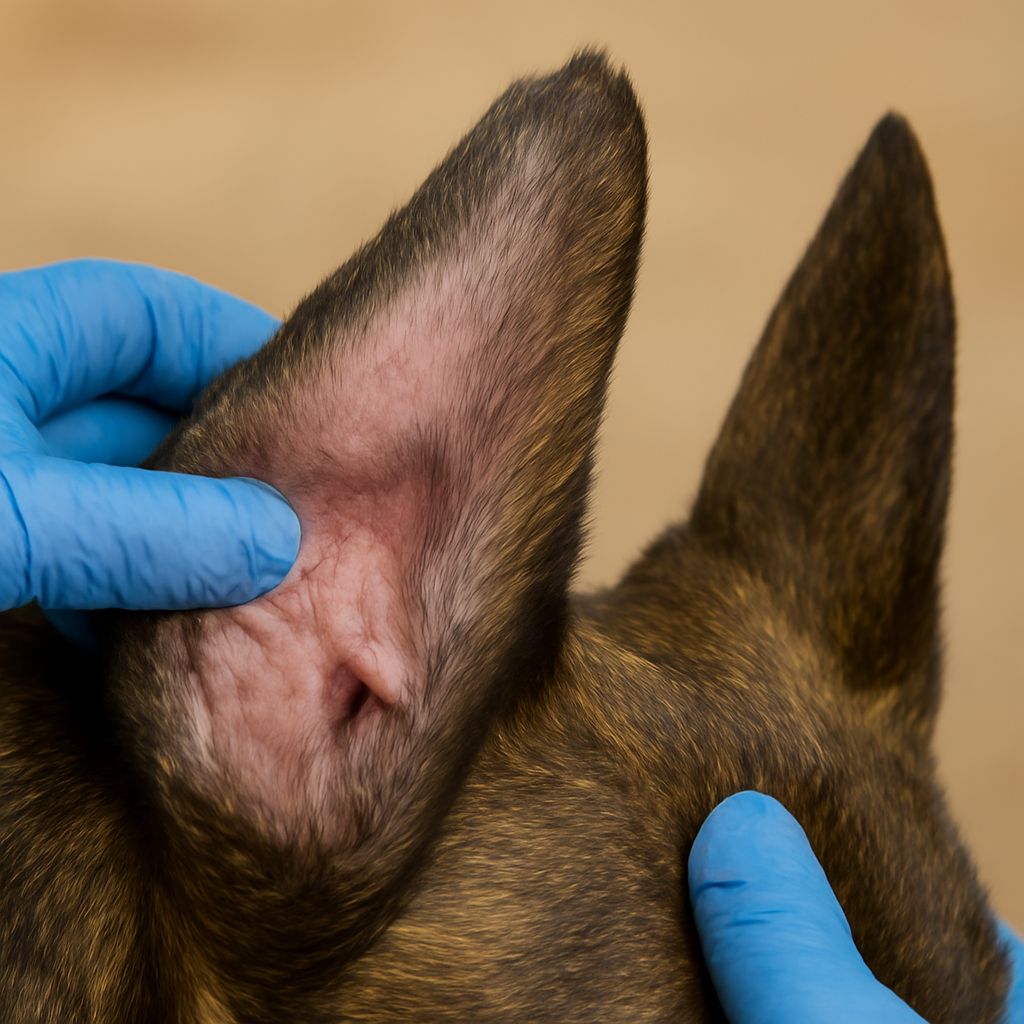
Early identification of a yeast ear infection in dogs is crucial for effective treatment. Common signs include persistent scratching or pawing at the ears, head shaking, and noticeable discomfort. The ear canal may emit a distinct, unpleasant odor, often accompanied by a dark discharge or buildup resembling coffee grounds.
Visual inspection often reveals redness and inflammation within the ear canal, and the skin surrounding the ears may appear scaly or greasy. In advanced cases, swelling or a significant increase in earwax production may occur. By recognizing these symptoms early, pet owners can prevent the condition from worsening and causing more serious issues.
Effective Treatments for Yeast Infection in Dog Ears
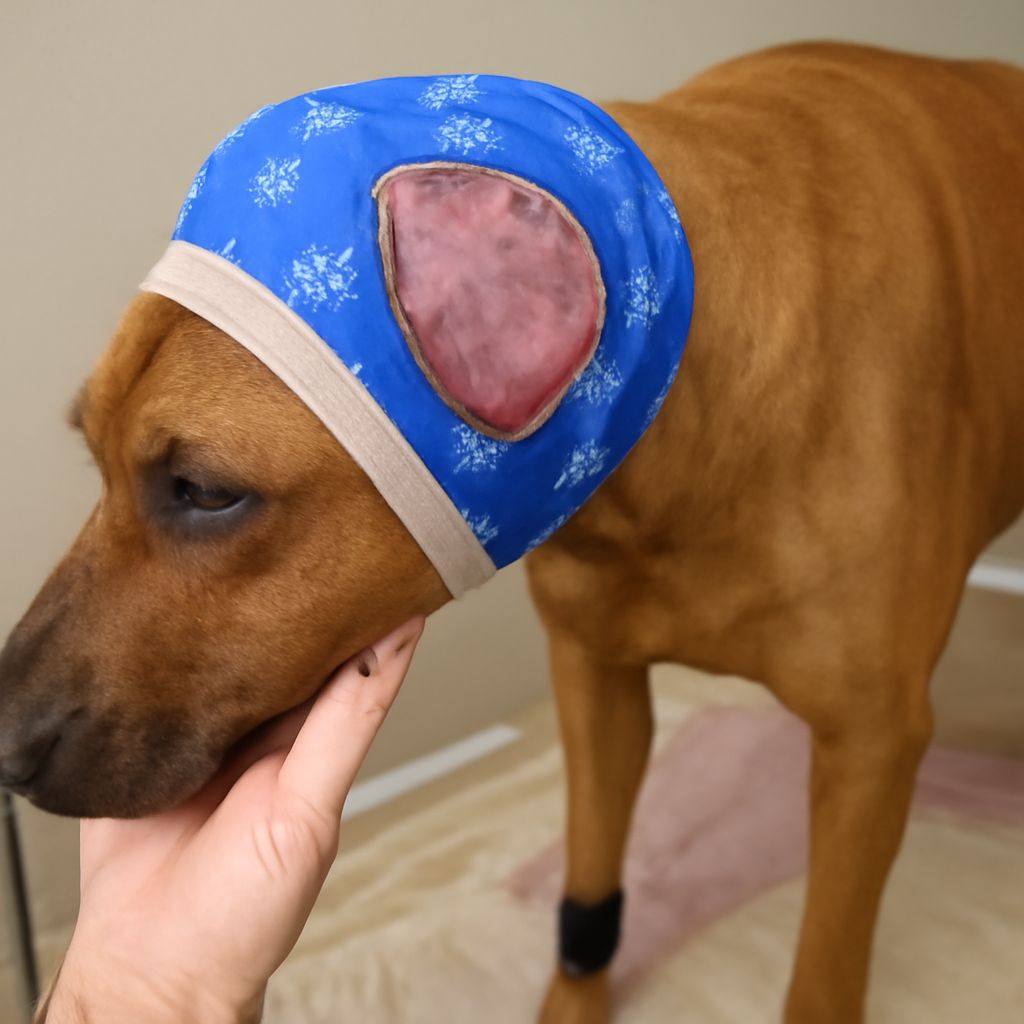
Treating a yeast infection in dog ears typically involves a combination of home care and veterinary-prescribed treatments. Cleaning the ears gently with a vet-recommended solution can help remove excess wax and debris, providing an inhospitable environment for yeast growth. It is important to avoid using cotton swabs, as these may push debris further into the ear canal.
Veterinarians may prescribe topical antifungal medications to directly address the yeast overgrowth. In cases where inflammation or a secondary bacterial infection is present, additional medications such as corticosteroids or antibiotics may be necessary. If allergies are the underlying cause, addressing the allergen through dietary changes or allergy medications can prevent future occurrences.
For chronic or severe cases, consulting a licensed veterinarian is vital. They can conduct thorough examinations and recommend tailored treatment plans, ensuring the infection is effectively managed and reducing the risk of recurrence.
Safety Recap: Regularly check your dog’s ears for signs of yeast infections, especially if they are prone to moisture. Avoid inserting objects deep into the ear canal and consult a veterinarian for persistent or severe cases to ensure safe and effective treatment.