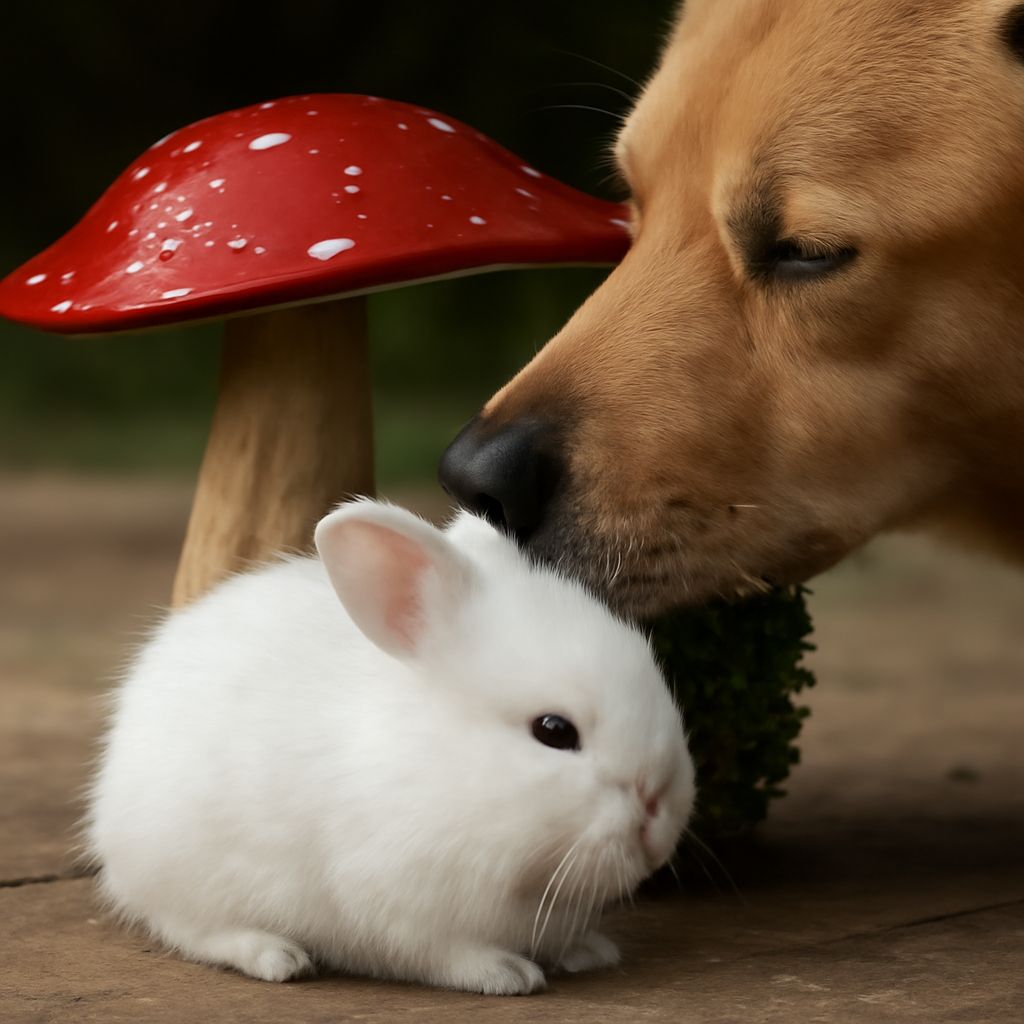
Many pet owners have long held misconceptions about the best way to discipline a dog and the characteristics of popular rabbit breeds. Contrary to common belief, disciplining a canine isn’t about asserting dominance or using punitive measures. Similarly, choosing the best pet rabbit doesn’t merely depend on the cuteness of the pet bunny breed. Addressing these myths with informed insights can lead to a more harmonious pet ownership experience and help you find a suitable pet that fits well into your home.
Understanding the spectrum of pet bunny breeds is essential when selecting your ideal rabbit, as each breed offers unique traits and care requirements. At the same time, effective dog discipline involves positive reinforcement strategies rather than outdated methods. By delving deeper into these topics, owners can develop healthier relationships with their pets and make informed choices.
What is the Best Way to Discipline a Dog?
Disciplining a dog effectively involves a combination of patience, consistency, and positive reinforcement. The best methods avoid harsh punishments and instead focus on rewarding good behavior. This not only strengthens the bond between owner and pet but also promotes lasting behavioral change. When using treats or praise, ensure that the timing is appropriate to reinforce the desired action your dog performs.
Sometimes, consulting a licensed dog trainer can be beneficial, especially when dealing with complex behavioral issues. Professional guidance can help tailor discipline techniques to your dog’s specific needs, ensuring effective outcomes. Incorporating these strategies into regular interactions helps dogs understand what is expected of them without fear or anxiety.
How Do You Choose the Best Pet Rabbit?
Choosing the best pet rabbit involves considering factors such as temperament, size, and care needs. It’s essential to assess your living space and lifestyle before selecting a rabbit breed. For instance, dwarf breeds require less space and may suit apartment living, whereas larger breeds need more room to roam. Understanding the individual care requirements of each breed can guide you in making an informed decision.
Temperament is another important factor. While some rabbits are known for being docile and friendly, others can be more energetic and curious. Research and interaction with potential pet rabbits can help you identify a breed that suits your personality and lifestyle. It’s crucial to consider the commitment involved in caring for rabbits, as they require regular grooming, social interaction, and a diet rich in hay and fresh vegetables.
What Are the Popular Pet Bunny Breeds?
Several rabbit breeds have gained popularity due to their distinct characteristics and appeal. The Holland Lop, known for its floppy ears and gentle nature, is a favorite among families. Its small size and easygoing temperament make it an ideal companion for children and adults alike.
The Netherland Dwarf is another popular choice, renowned for its compact size and playful disposition. Although small, this breed often exhibits a curious and lively personality, requiring ample playtime and interaction. Meanwhile, the Lionhead rabbit, with its distinctive mane, offers a unique appearance and a friendly character, making it a charming addition to any household.
Each of these breeds has specific grooming needs and dietary requirements, highlighting the importance of understanding individual care practices. By exploring these aspects, owners can ensure their rabbit remains healthy and happy, which is a crucial aspect of responsible pet ownership.
Key takeaways: The best way to discipline a dog emphasizes positive reinforcement, fostering a trusting and respectful relationship. Choosing the ideal pet rabbit involves understanding various breeds’ characteristics and needs, ensuring compatibility with your lifestyle. Research and professional advice can enhance your pet ownership experience, ensuring your furry friends thrive in a supportive environment.