It’s a common misconception that one size fits all when it comes to dog harnesses. Many pet owners mistakenly believe that simply purchasing a harness labeled “medium” or “large” will ensure the perfect fit for their furry companion. In reality, understanding how to measure your dog for a harness is crucial to ensure both comfort and safety. Without using a proper dog harness size chart, you’re risking an ill-fitted harness that can cause discomfort or even harm your pet.
Harnesses that do not fit well can lead to chafing, restricted breathing, or even escape if the harness is too loose. This makes it essential to learn the correct way to measure your dog for a harness. By doing so, you guarantee not only a comfortable fit but also enhance your dog’s safety during walks or adventures. Let’s delve into why a dog harness size chart is invaluable and explore the steps to measure your dog accurately.
Why Is a Dog Harness Size Chart Important?
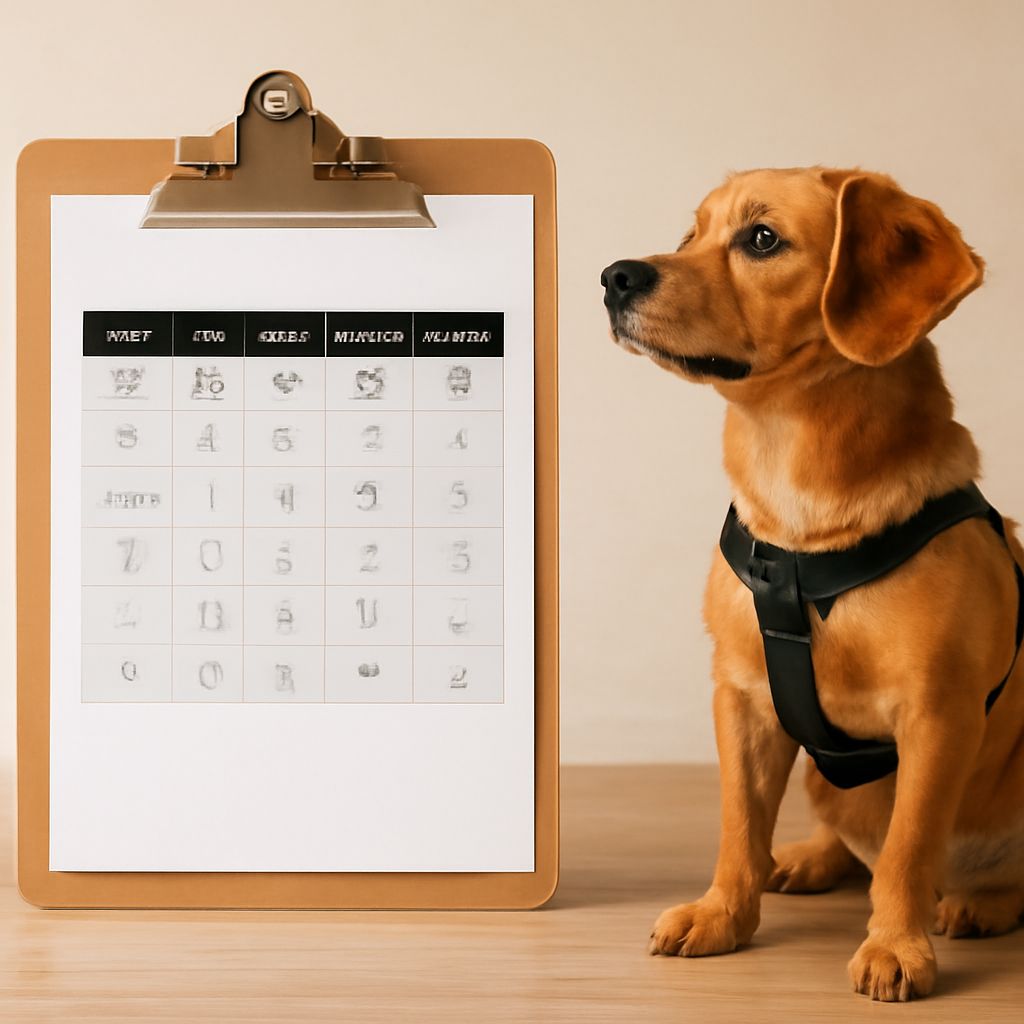
A dog harness size chart is a vital tool in selecting the appropriate harness for your pet. These charts provide specific measurements that correlate with the sizing provided by manufacturers, ensuring a more tailored fit. This precision is critical because dogs, like humans, come in all shapes and sizes.
Using a size chart helps you avoid the common pitfalls of relying solely on weight or breed recommendations, which can be misleading. By focusing on the actual dimensions of your dog, you ensure that the harness fits snugly but comfortably, providing the necessary support and control without causing discomfort.
How to Measure Your Dog for a Harness: Step-by-Step Guide
To accurately measure your dog for a harness, you’ll need a flexible measuring tape. Start by measuring the girth of your dog, which is the widest part of their ribcage. Wrap the tape around this area, ensuring it is snug but not tight. Record the measurement.
Next, measure the neck circumference at the base where the neck meets the shoulders. Again, ensure the tape is snug but not constrictive. Note this measurement as well. If your dog falls between sizes on the harness size chart, it’s advisable to size up for a more comfortable fit.
Additionally, some harnesses require a back length measurement. For this, measure from the base of the neck to the base of the tail. This helps in ensuring the back strap fits appropriately along your dog’s body.
Common Mistakes When Measuring Your Dog for a Harness
One common error is measuring too loosely, which can result in selecting a harness that is too big. This compromises control and safety, as a dog might slip out of a loose harness. Conversely, measuring too tightly can lead to choosing a size that’s too small, causing discomfort and restricting movement.
Another frequent mistake is overlooking the importance of double-checking measurements. Taking the time to measure twice can prevent errors that may lead to purchasing the incorrect size. It’s also important to consider the breed-specific characteristics—dogs with deep chests or narrow necks may need special adjustments beyond what a standard size chart suggests.
Finally, relying solely on weight as a measurement metric is inadequate. While weight provides a general guideline, it’s the actual body dimensions that determine the correct fit of a harness. Always use a combination of girth, neck, and sometimes back measurements for precise sizing.
Key takeaways: Using a dog harness size chart is essential for ensuring the right fit and safety of your dog. Always measure your dog accurately, focusing on girth, neck, and sometimes back length. Avoid common mistakes by double-checking measurements and considering breed-specific needs. For complex sizing issues, consult a professional stylist to ensure the best fit for your furry friend.