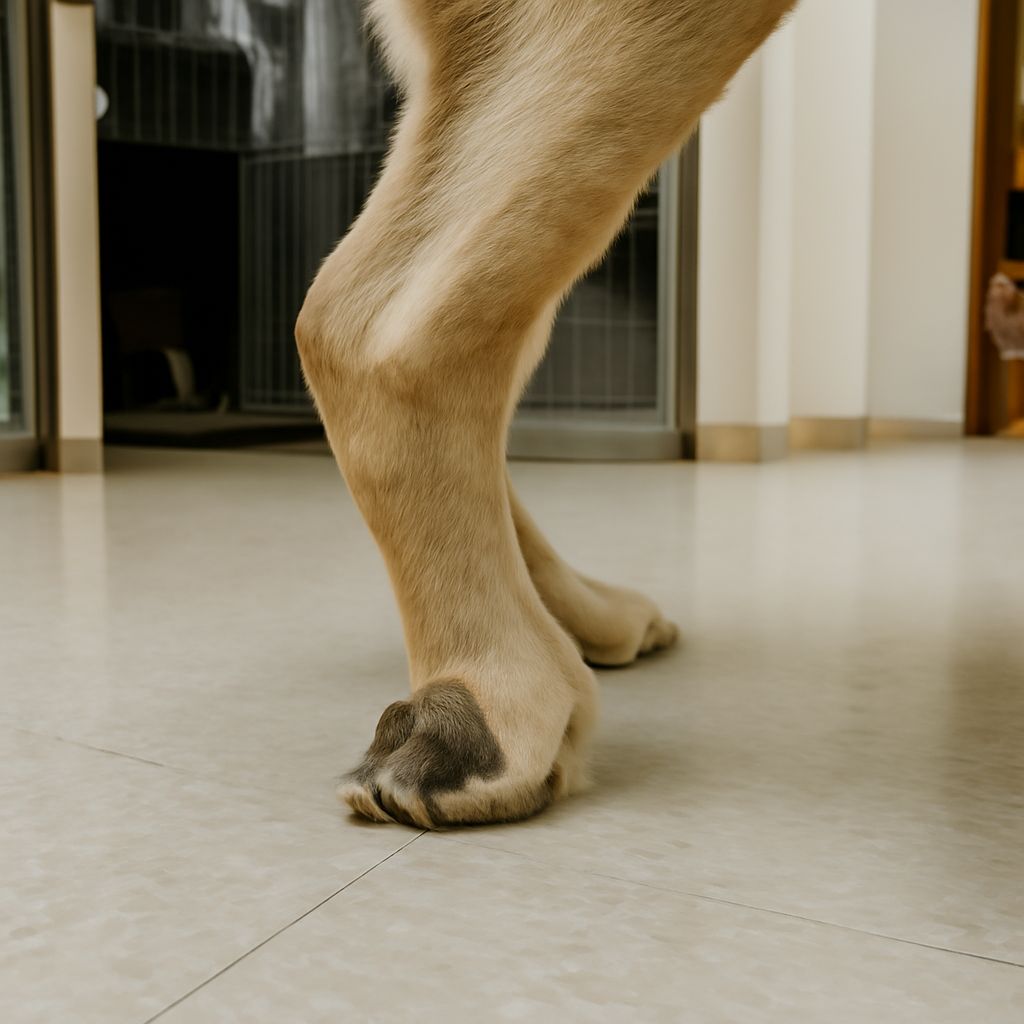
When you notice your beloved pet dragging its back legs, it can be both alarming and distressing. Many dog owners immediately fear the worst, associating this behavior with severe health issues. However, it’s essential to understand that a dog dragging back legs is not always indicative of a permanent or severe problem. Common misconceptions suggest that such symptoms always lead to drastic measures, but the truth is more nuanced. Sometimes, the underlying causes are treatable, offering relief to both you and your furry companion.
Understanding the reasons behind sudden weakness in a dog’s back legs will help in addressing the issue effectively. Whether it’s a temporary condition or something that requires professional attention, knowing what to look for can lead to quicker and more precise solutions.
Why is My Dog Dragging Back Legs?
Dogs dragging their back legs can be caused by a variety of factors, ranging from temporary discomfort to more serious health concerns. In some cases, this behavior may result from an injury, such as a sprain or strain, that causes pain and temporary immobility. Alternatively, it may be due to more chronic conditions like arthritis, which can lead to gradual degeneration of the joints, affecting mobility over time.
Additionally, neurological issues can play a significant role. Conditions affecting the spinal cord or nerves, such as a slipped disc, can interfere with the transmission of signals between the brain and legs, causing your dog to drag its hind legs. It’s crucial to observe your dog’s behavior closely to identify any patterns or additional symptoms that might help pinpoint the cause.
What Causes Sudden Weakness in Dog’s Back Legs?
Sudden weakness in a dog’s back legs is often a red flag that should not be ignored. Potential causes include a slipped disc, which can occur suddenly due to trauma or degeneration, leading to immediate hind leg weakness. Sometimes, infections or inflammations affecting the spinal cord, such as meningitis or encephalitis, can also result in a rapid onset of symptoms.
Tick paralysis is another condition that can lead to a dog’s back legs becoming suddenly weak. This condition results from a toxin released by certain types of ticks, which affects the nervous system. Additionally, vascular events like a spinal stroke can disrupt blood flow to the spinal cord, leading to abrupt weakness or paralysis.
How to Help a Dog with Weak Back Legs
Helping a dog with weak back legs involves a combination of immediate care and long-term management strategies. Initially, providing a calm and comfortable environment is crucial to avoid further stress or injury. Supporting your dog’s back end while moving can prevent additional strain.
For long-term care, consulting a veterinarian is essential to devise an appropriate treatment plan. Physical therapy exercises, recommended by a professional, can aid in strengthening the muscles and improving coordination. In certain cases, medications may be necessary to manage pain and inflammation or to treat underlying conditions. Nutritional supplements, such as glucosamine and chondroitin, might also benefit joint health.
When to Consult a Veterinarian
It is vital to seek veterinary attention if you notice your dog’s back legs are slipping out or if there is a sudden onset of weakness. Immediate consultation is especially crucial if your dog is experiencing severe pain, loss of bladder or bowel control, or an inability to move altogether. These signs could indicate a critical medical condition that requires prompt intervention.
For complex issues like severe neurological damage or advanced arthritis, a licensed veterinarian can provide specialized care and recommend further diagnostics, such as X-rays or MRIs, to better understand the root cause. Timely professional evaluation ensures that your pet receives the best possible care and increases the chances of recovery or effective management.
Key takeaways: A dog dragging its back legs can stem from numerous causes, ranging from mild injuries to serious conditions. Identifying symptoms and consulting a veterinarian are crucial steps in providing the best care. Proper treatment can often lead to significant improvements in your dog’s mobility and quality of life.