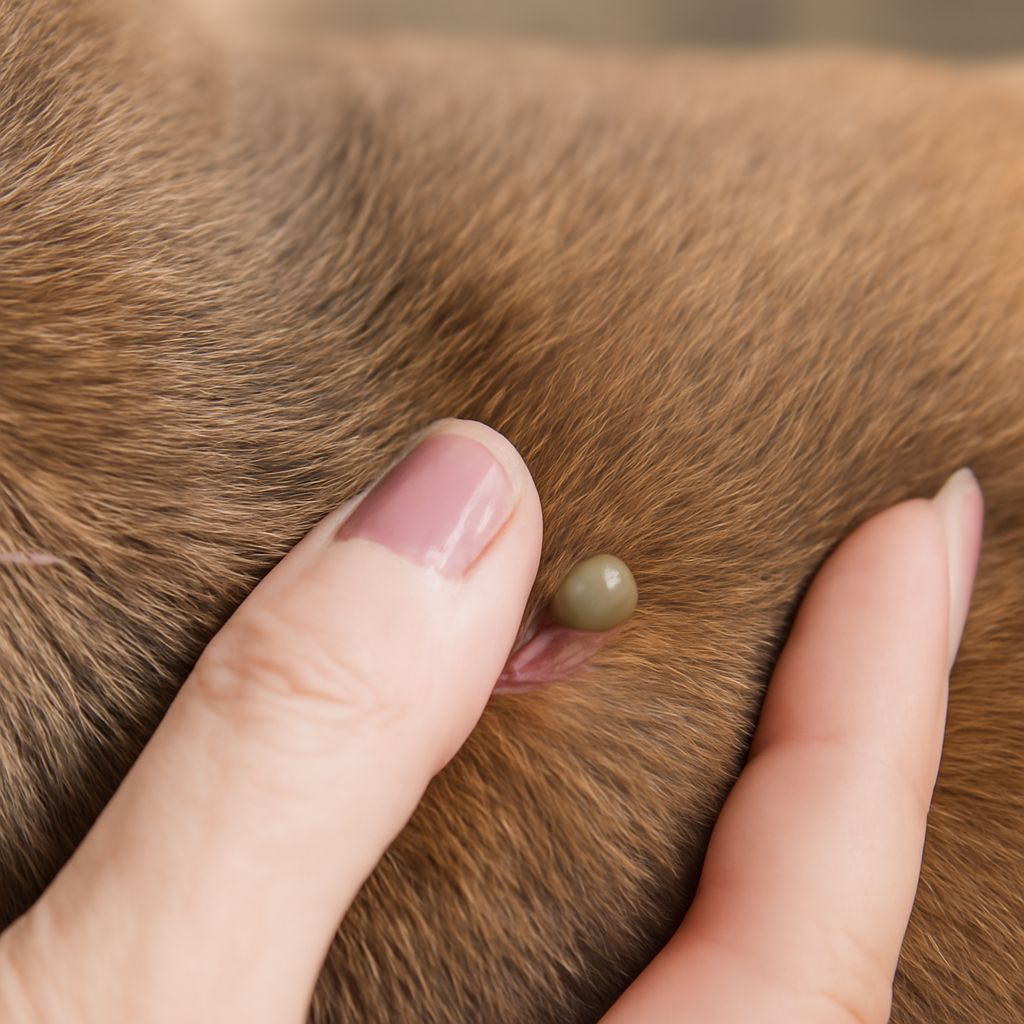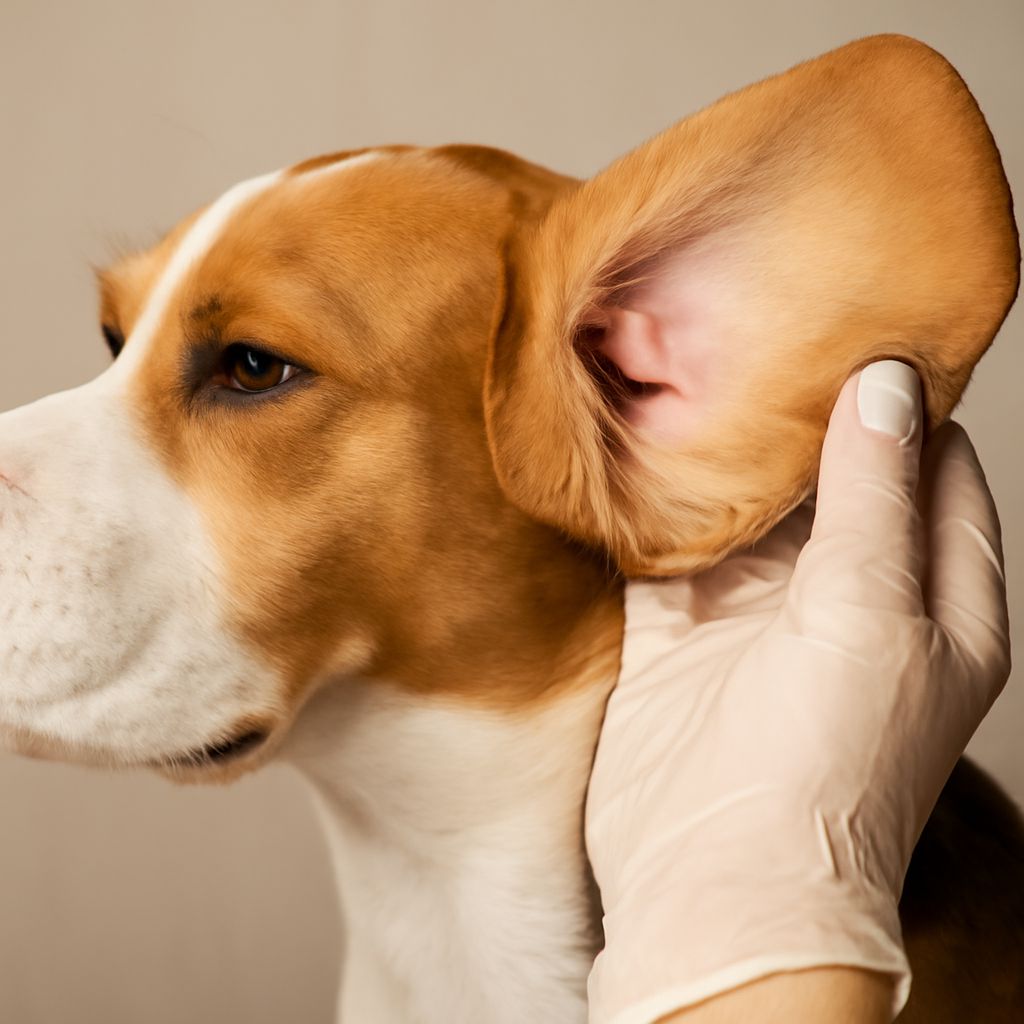
Dog ear mites are often misunderstood and underestimated in terms of their impact on canine health. These tiny parasites can cause significant discomfort for your furry friend, yet many dog owners remain unaware of how a dog gets ear mites or the severity of the issue. By shedding light on the truth behind dog ear mite treatment, this article aims to dispel common myths and provide comprehensive insights into managing this condition effectively.
Understanding dog ear mites symptoms is crucial not only for timely intervention but also for preventing potential complications. Despite their microscopic size, ear mites can lead to severe itching, inflammation, and even secondary infections if left untreated. Knowing how to correctly identify and treat ear mites in dogs can make a significant difference in your pet’s overall well-being.
What Are Dog Ear Mites and How Do Dogs Get Them?
Dog ear mites, scientifically known as Otodectes cynotis, are parasitic creatures that thrive in the warm, moist environment of a dog’s ear canal. These mites are highly contagious and can easily spread from one animal to another through direct contact. Dogs typically get ear mites from close interactions with infested animals, whether at a dog park, kennel, or even at home if you have multiple pets.
The lifecycle of an ear mite involves several stages, from egg to larva, and finally to adult mite. This process can occur rapidly, leading to a quick infestation if not addressed. Regularly checking your dog’s ears and ensuring they avoid contact with potential carriers can significantly reduce the risk of infestation.
Recognizing Dog Ear Mites Symptoms
Recognizing the symptoms of dog ear mites is the first step in effective management. Common signs include excessive scratching or rubbing of the ears, head shaking, and the presence of a dark, crumbly discharge resembling coffee grounds. Your pet may also exhibit redness and inflammation in the ear canal due to constant irritation.
The discomfort caused by ear mites can lead to further complications if left untreated. Secondary bacterial or yeast infections are common when dogs scratch their ears excessively, leading to open wounds or lesions. Early detection and intervention are crucial in preventing these additional health issues.
Effective Dog Ear Mite Treatment Options
Treating dog ear mites effectively involves a combination of cleaning the ears and using appropriate medications. Ear cleaning solutions can help remove debris and wax build-up, creating a less hospitable environment for mites. It is essential to follow cleaning with the application of prescribed medications designed to kill mites at all life stages.
Several options are available for treating ear mites in dogs, including topical treatments, oral medications, and injections. Each of these methods works differently, and consulting a veterinarian is crucial to determine the most suitable option for your pet’s specific situation. Over-the-counter remedies may offer temporary relief, but professional advice ensures comprehensive care.
Prevention is equally important in managing dog ear mites. Regularly cleaning your dog’s ears and maintaining a healthy environment free from potential carriers can minimize the risk of reinfestation. Implementing these practices as part of your pet’s routine care can safeguard their health and comfort.