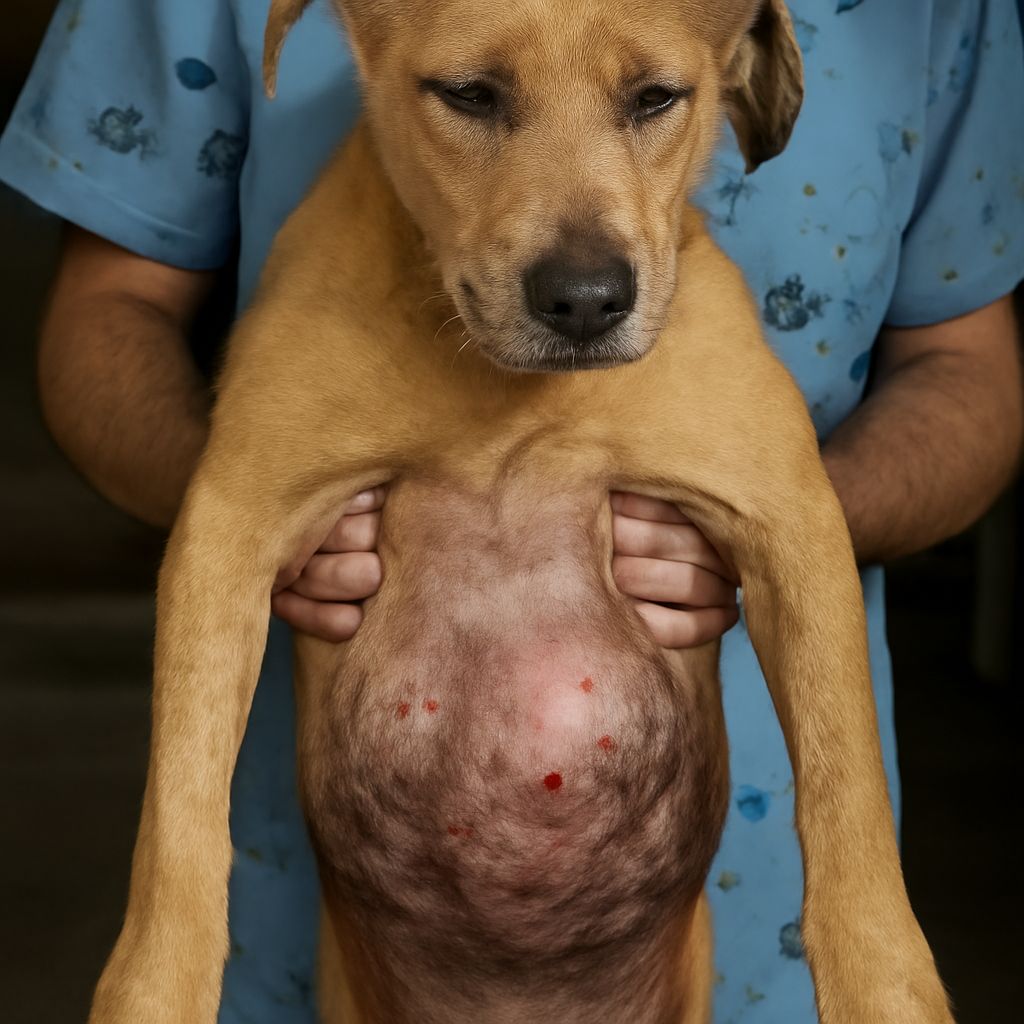
When pet owners hear terms like “dog mammary tumor” or “dog breast cancer,” misconceptions often arise. Some believe that these conditions are rare, but the truth is they are one of the most common forms of cancer in female dogs. Another myth suggests that visible symptoms are always present, making early detection straightforward. Understanding these misconceptions is crucial for timely and effective intervention.
While dog mammary cancer can be alarming, it is important to recognize that not all tumors are malignant. Early detection through methods such as examining dog mammary tumor pictures can significantly improve treatment outcomes. This article will guide you through recognizing symptoms, diagnosis, treatment options, and understanding the life expectancy of dogs with mammary cancer.
What Are the Symptoms of Dog Breast Cancer?
The initial signs of breast cancer in dogs can be subtle. It’s essential to regularly check your dog’s mammary glands for unusual lumps or swelling. Other symptoms may include changes in skin texture over the affected area, discharge from the nipples, or general signs of illness such as loss of appetite and lethargy. If any of these symptoms are observed, a consultation with a veterinarian is critical.
How Are Dog Mammary Tumors Diagnosed?
What Diagnostic Tests Are Used?
Veterinarians use a range of diagnostic tests to identify dog mammary tumors. A physical examination is usually the first step, followed by imaging tests like X-rays or ultrasounds to assess the tumor’s size and location. Biopsies are also essential in determining whether the tumor is benign or malignant.
How Do Dog Mammary Tumor Pictures Help?
Dog mammary tumor pictures are a valuable tool for both veterinarians and pet owners. By comparing visual references to a dog’s current condition, these images can aid in early detection. They help pet owners identify unusual changes in their dog’s mammary glands that might warrant further investigation.
What Treatment Options Are Available?
Treatment strategies for dog breast cancer vary depending on the tumor’s type and stage. Surgical removal is often the primary approach, especially for localized tumors. In some cases, chemotherapy or radiation therapy may be recommended to address any remaining cancerous cells. It’s vital to discuss all potential treatment plans with a veterinarian to determine the most suitable option for your dog.
How Long Can a Dog Live With Mammary Cancer?
When considering how long a dog can live with mammary cancer, several factors come into play. Early-stage cancer with prompt treatment often results in a more favorable prognosis. Conversely, advanced-stage cancer may limit survival time. Regular veterinary check-ups and monitoring are crucial for managing the disease effectively.
Understanding Dog Mammary Cancer Life Expectancy
What Factors Affect Life Expectancy?
Life expectancy for dogs diagnosed with mammary cancer depends on several factors, including the tumor’s size, location, and whether it has metastasized. The dog’s age, overall health, and response to treatment also play significant roles. Prompt diagnosis and a comprehensive treatment plan can improve the chances of a longer, healthier life.
Can Dogs Live a Quality Life With Cancer?
Many dogs can maintain a good quality of life even when living with cancer. With appropriate treatment and supportive care, dogs can enjoy their daily activities with minimal discomfort. Regular follow-ups with a veterinarian can help manage symptoms and improve the dog’s well-being.
Bottom line: Dog mammary cancer is a serious condition, but early detection and intervention can vastly improve outcomes. Stay informed about symptoms, seek prompt veterinary advice, and explore all treatment options to ensure your canine companion’s best possible quality of life.