Many pet owners believe that dealing with yeast infections in dogs requires a costly trip to the vet or expensive medications. However, there are effective and natural dog yeast infection home remedies that can help alleviate your pet’s discomfort. Some may also assume that home remedies are less effective or merely a stopgap solution, but that’s far from the truth. With proper care and attention, you can provide your dog with relief and promote healing even at home.
In this guide, we will delve into various natural solutions, including how a dog paw yeast infection soak can benefit your furry friend. Learn how to treat an infected paw on a dog with these practical and accessible methods.
Understanding Dog Yeast Infections
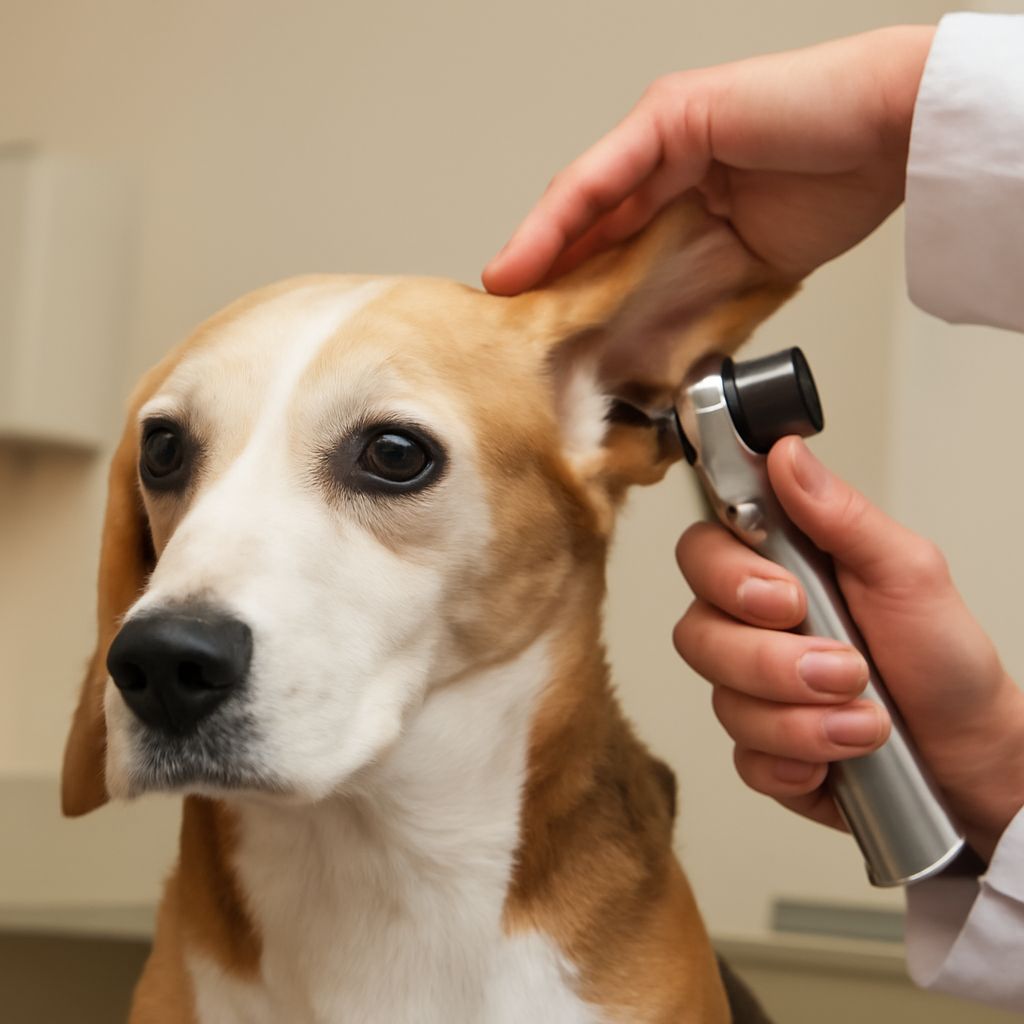
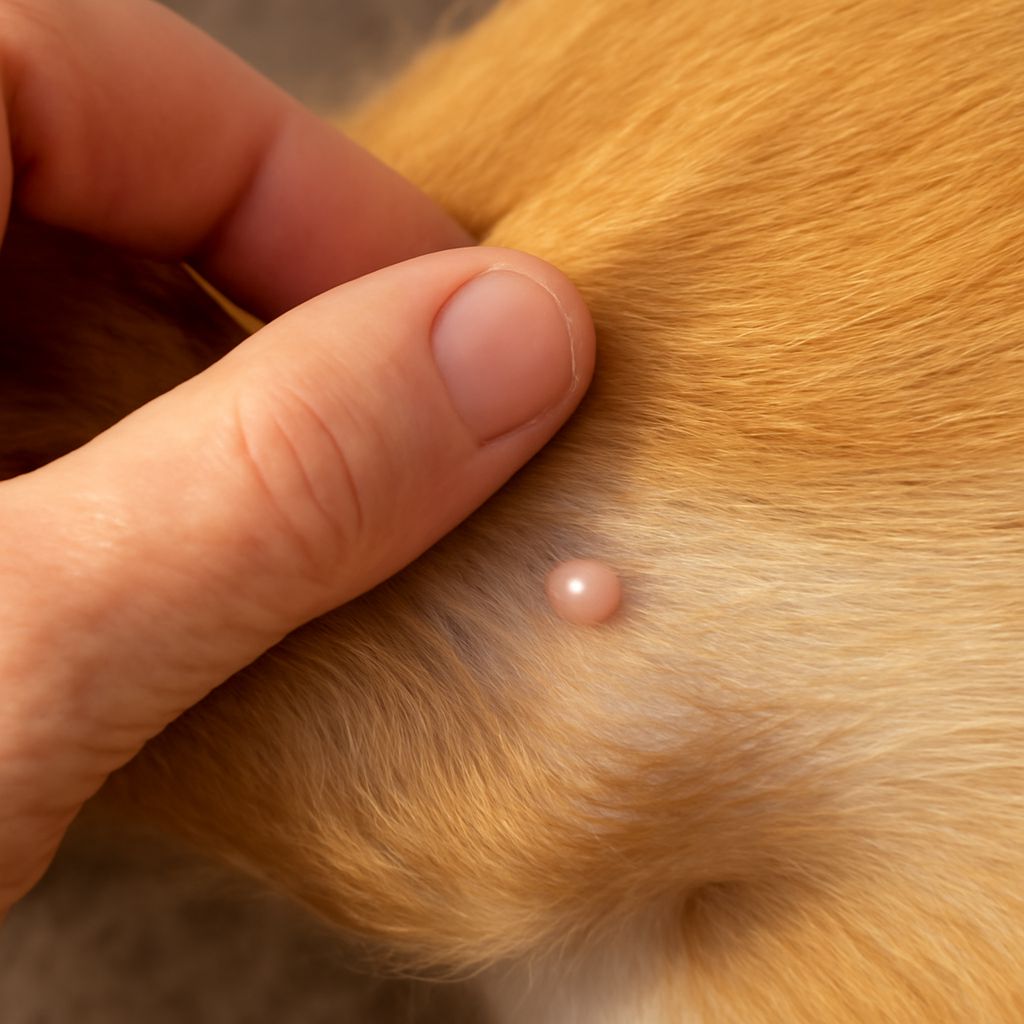
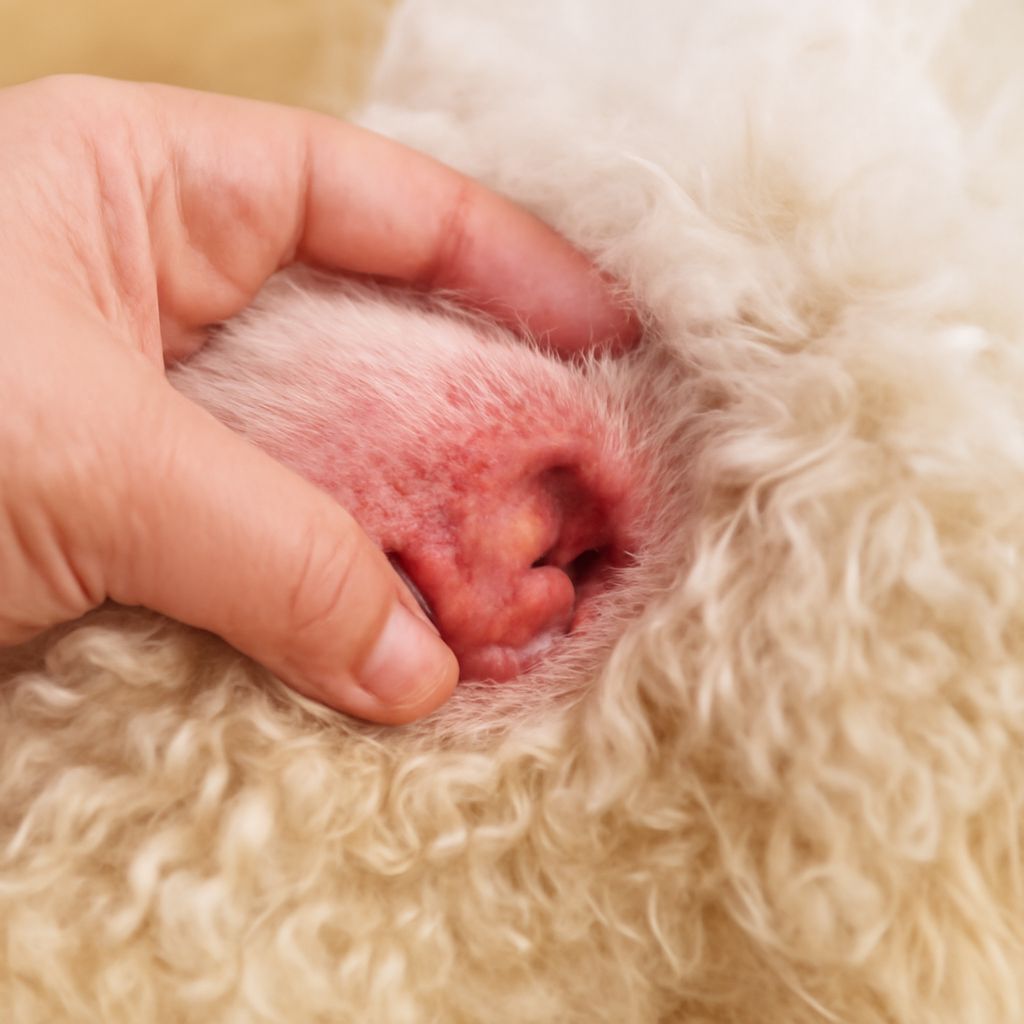
Dog yeast infections often occur in areas such as paws, ears, and skin folds, where the environment is moist and warm. This condition is typically characterized by itching, redness, and an unpleasant odor. Candida, the most common fungus responsible, thrives in such environments, making certain breeds more susceptible due to their skin structure.
While yeast infections can be troubling, understanding their causes is crucial for effective management. An imbalance in the skin’s natural flora, allergies, or even a suppressed immune system can trigger an overgrowth of yeast. By recognizing the signs early, you can employ effective dog yeast infection home remedies tailored to your pet’s needs.
Dog Yeast Infection Home Remedy Options
Several natural remedies can help control and reduce yeast infections in dogs. Choosing the right approach depends on the severity and location of the infection. A popular dog yeast infection home remedy involves the use of diluted apple cider vinegar. Known for its antifungal properties, it can help restore the skin’s pH balance.
Another option includes employing coconut oil, which can be applied topically to soothe the skin and reduce inflammation. Probiotics are also beneficial when included in your dog’s diet, as they help maintain a balanced gut flora, which in turn supports overall skin health.
Dog Paw Yeast Infection Soak Methods
For dogs suffering from yeast infections on their paws, a soak can be incredibly soothing and effective. A basic soak can be made using a mix of water and apple cider vinegar. This dog paw yeast infection soak helps to kill yeast cells and promote healing.
It’s important to ensure your dog’s paws are dried thoroughly after the soak to prevent additional moisture build-up, which can exacerbate the infection. Baking soda soaks are another alternative, offering alkaline properties that combat the acidic environment where yeast thrives.
How to Treat an Infected Paw on a Dog
When treating an infected paw on a dog, gentle cleaning and monitoring are essential. Start by trimming any excess fur between the paw pads to improve air circulation. Carefully wash the paw with a mild, antifungal shampoo specifically designed for pets. This will cleanse the area and kill off any lingering yeast.
After cleaning, apply a topical antifungal cream or natural remedy such as coconut oil to the affected area. Be mindful to consult a veterinarian if the infection does not improve or if your dog shows signs of severe discomfort. Persistent or severe infections may require professional intervention to avoid further complications.
In conclusion, understanding your dog’s specific needs and employing well-researched dog yeast infection home remedies can make a significant difference in their recovery process. With consistency and care, your furry friend can find relief from uncomfortable yeast infections.