In the vast world of pet ownership, a peculiar and often misunderstood behavior is when a dog eats rabbit poop. Many owners find themselves puzzled, or even concerned, when they discover this seemingly odd dietary choice. While it may be surprising, this behavior is more common than you might think. The truth is, when your dog eats rabbit poop, it could be driven by a variety of reasons—including curiosity or unmet dietary needs.
Understanding why your dog indulges in this habit is key to managing it effectively. Whether it’s a simple case of curiosity or a sign of something more, knowing the underlying cause can help you address the issue without undue worry. But is this behavior harmful, or just a harmless quirk? Let’s explore why your dog might eat rabbit poop, the potential risks, and how to curb this habit.
Why Does My Dog Eat Rabbit Poop?
One reason a dog might indulge in eating rabbit droppings is the natural curiosity all canines have. Dogs explore the world through their senses, and their sense of smell is particularly strong. Rabbit feces, being nutrient-rich, can attract dogs due to the various scents they contain. This behavior is often noted during walks in areas where rabbits are frequent.
Dietary deficiencies can also compel a dog to consume rabbit droppings. When a dog’s diet lacks certain nutrients, they may seek them elsewhere, including non-traditional food sources like rabbit poop. It’s worth examining your dog’s nutritional intake to ensure it’s balanced and complete.
Lastly, boredom or lack of stimulation might cause a dog to eat rabbit poop. Dogs require mental and physical engagement, and in the absence of these, they might resort to eating rabbit feces as a form of entertainment or distraction.
Is It Harmful If My Dog Eats Rabbit Poop?
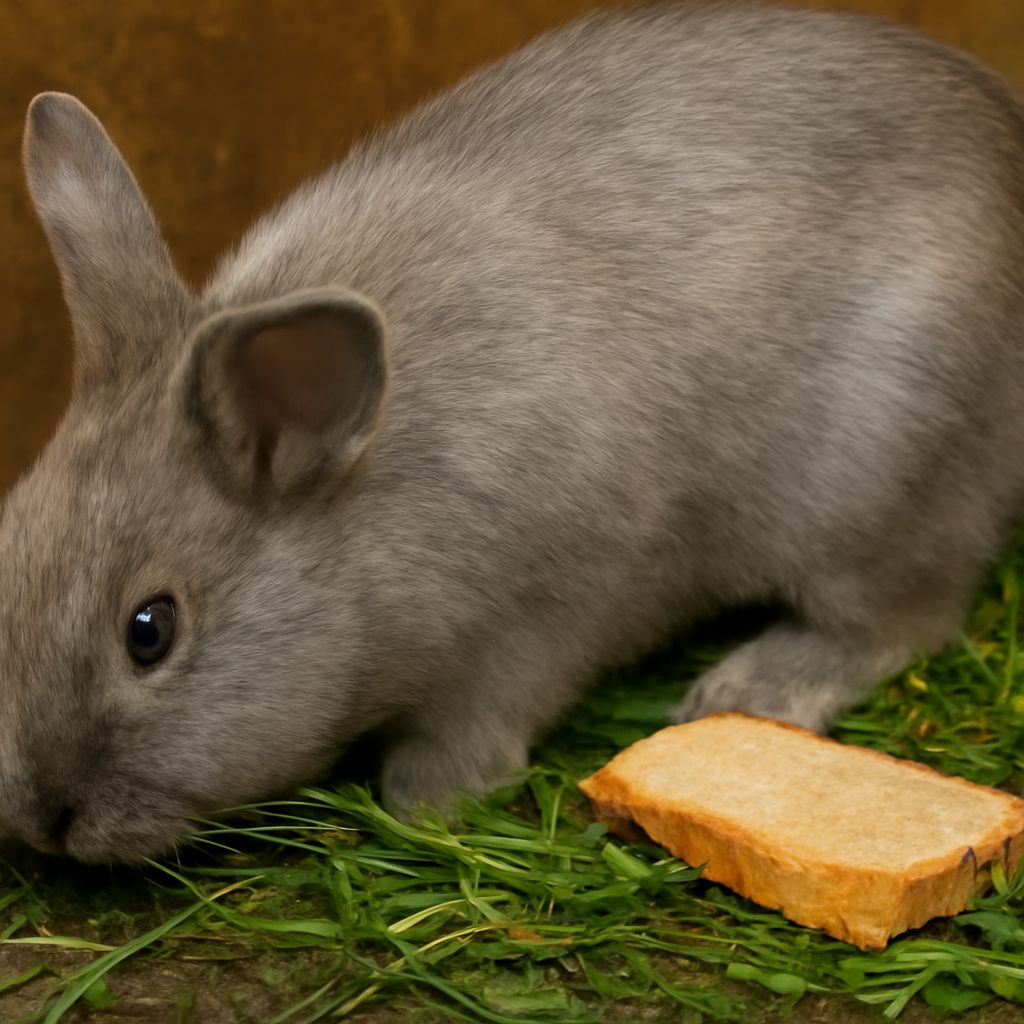
Though it seems unsavory, rabbit droppings are usually not dangerous to dogs. Rabbit feces are primarily made up of undigested grass and hay, which are generally harmless. However, they can carry parasites that might lead to an upset stomach or other mild gastrointestinal issues in dogs.
The presence of potential pathogens means that while the act of eating rabbit poop isn’t typically harmful, it does come with risks. If your dog has consumed rabbit droppings and shows symptoms like diarrhea, vomiting, or lethargy, it’s wise to consult a veterinarian. They can provide guidance and check for any underlying health concerns.
Monitoring your dog for changes in behavior or health after eating rabbit feces is essential. While it may not be a critical issue, keeping an eye on your pet ensures any potential complications are addressed promptly.
How to Stop Your Dog from Eating Rabbit Poop
To deter your dog from eating rabbit poop, maintaining a well-rounded diet is crucial. Ensure your dog’s meals are nutritious and fulfilling, possibly with the guidance of a veterinarian to assess dietary needs. This helps remove the incentive to seek additional nutrients from less conventional sources.
Incorporating regular exercise and mental stimulation into your dog’s routine can also minimize this behavior. Engaging activities and toys that challenge their mind can prevent boredom, which is often a trigger for eating rabbit feces.
Training your dog to respond to commands like “leave it” or “come” can be effective in controlling this behavior during walks. Reinforcement techniques, such as positive reinforcement when they ignore rabbit droppings, can gradually discourage them from eating it.
If these strategies do not reduce the behavior, consulting a professional dog trainer or a veterinarian is recommended. They can provide personalized guidance tailored to your dog’s specific needs.
Bottom line: While a dog eating rabbit poop may seem unusual, understanding the reasons behind it and taking proactive steps can help manage the behavior. Ensuring a balanced diet, providing adequate stimulation, and seeking professional advice when needed will keep your pet healthy and happy.