Ticks are often underestimated by pet owners, perceived as mere nuisances rather than the carriers of potentially serious diseases. Many believe that ticks are easy to spot and remove, assuming that dog tick bites are a minor issue. However, the reality is that ticks on a dog can lead to significant health complications if not addressed promptly and effectively. Understanding how to identify and manage tick encounters is crucial for maintaining your pet’s well-being.
While some might think that dog tick bites are rare or only a concern in rural areas, ticks can be found in urban settings as well. Furthermore, they can transmit diseases such as Lyme disease and Ehrlichiosis, which can severely impact your dog’s health. Thus, recognizing and addressing these risks is essential for every pet owner.
Recognizing Ticks on a Dog
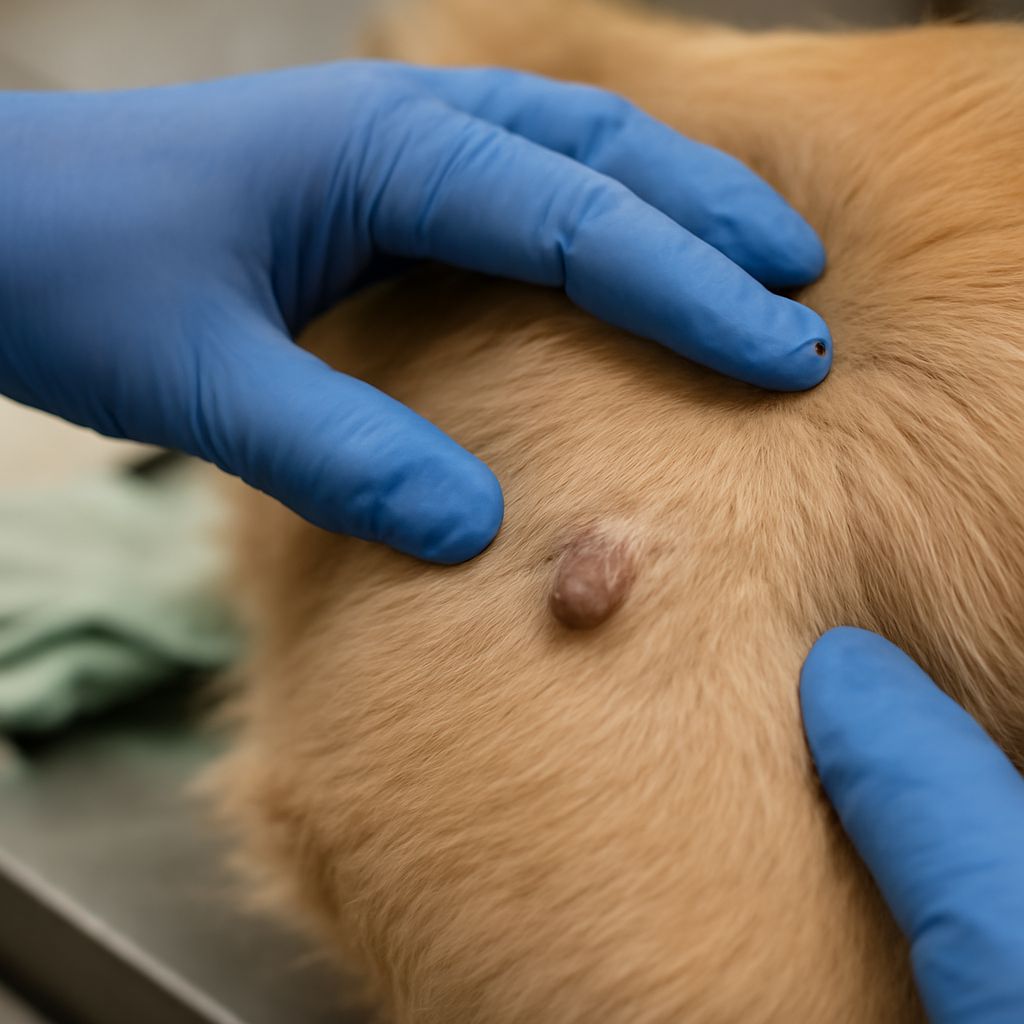
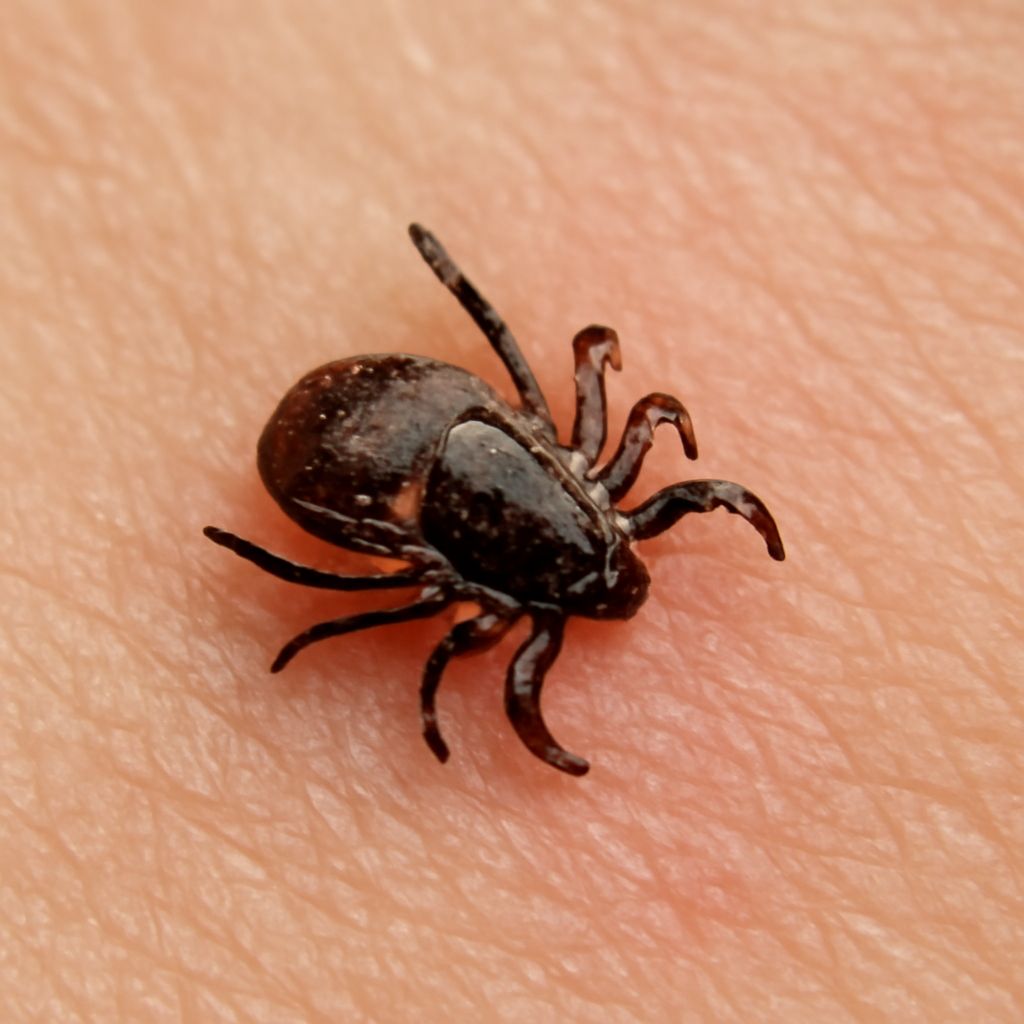
Identifying ticks on your dog is the first step in protecting them from potential diseases. Ticks can vary in size depending on their life stage and how engorged they are with blood. They typically appear as small, dark bumps on your dog’s skin. Common areas to check include the ears, neck, and underbelly, as ticks often latch onto these warmer, more concealed spots.
Regular grooming sessions are an excellent opportunity to check for ticks. Use your fingers to feel for any unusual lumps and a fine-toothed comb to part the fur and inspect your dog’s skin. If you notice any suspicious bumps, closely examine them to determine if they are ticks.
Steps to Take if Your Dog is Bit by a Tick
If you discover a tick on your dog, it is essential to remove it as soon as possible. Use a pair of fine-tipped tweezers to grasp the tick as close to the skin’s surface as possible. Pull upward with steady, even pressure to ensure that you remove the entire tick, including its mouthparts. It’s important to avoid twisting or jerking the tick, as this may cause parts of the tick to break off and remain in the skin.
After removing the tick, clean the bite area with antiseptic to prevent infection. Monitor your dog for any signs of illness, such as fever, lethargy, or loss of appetite, in the weeks following the tick bite. If your dog exhibits any of these symptoms, consult your veterinarian immediately.
Some pet owners may feel uneasy about removing ticks themselves, in which case seeking professional assistance from a veterinarian or a licensed pet care provider is advisable. They can ensure the tick is removed properly and assess if any further treatment is necessary.
Preventing Future Tick Bites on Your Dog
Prevention is key to minimizing the risk of tick bites on your dog. There are various preventive measures available, ranging from topical treatments and tick collars to oral medications. It is advisable to consult your veterinarian to determine the most suitable preventive option for your dog, based on their lifestyle and health status.
In addition to pharmacological preventives, maintaining a tick-free environment is vital. Keep your yard tidy by mowing the lawn regularly and removing leaf litter and tall grasses where ticks like to hide. When taking your dog for walks, stay on clear paths and avoid dense brush or wooded areas where ticks are more common.
Regularly checking your dog for ticks after outdoor activities is another effective preventive measure. This practice allows you to catch and remove ticks before they can transmit any diseases. Remember, early detection and removal are essential in preventing potential health issues associated with dog tick bites.