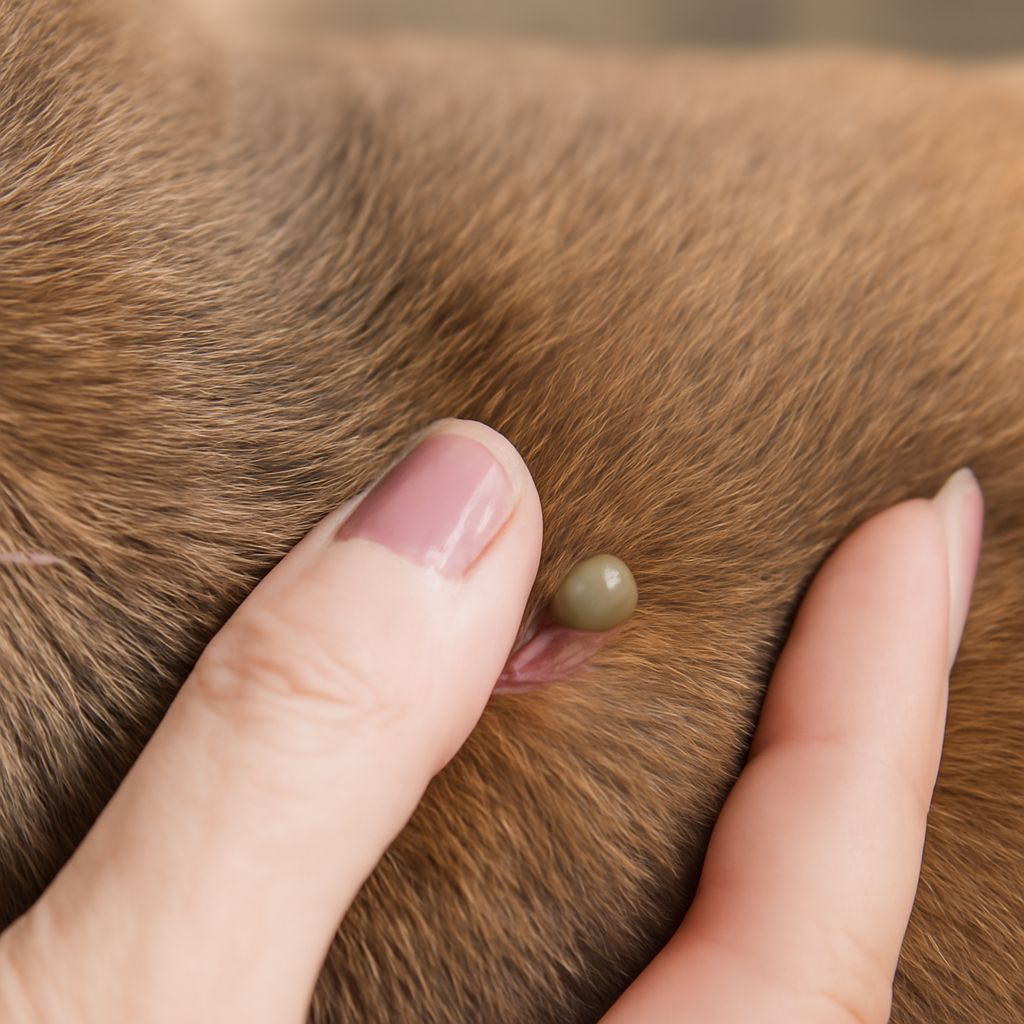
It’s a common misconception that fleas are the only culprits when a dog is itching relentlessly. Many pet owners are surprised to find their dog itching a lot even when no fleas are present. If you’ve ever asked yourself, “Why is my dog keeps itching but no fleas are found?” you’re not alone. There are numerous reasons why a dog itching no fleas might still be uncomfortable.
Understanding the full spectrum of causes can be challenging. However, knowing what might make your dog itch can help you find the right solutions. Whether it’s environmental factors, allergies, or something else, pinpointing the cause is essential to providing relief.
Common Causes of Dog Itching Without Fleas
There are plenty of reasons a canine may scratch persistently without a flea in sight. Allergic reactions are among the most frequent causes. Many dogs suffer from allergies to certain foods, pollen, or dust mites. When a dog itches due to allergies, it may also display other signs like redness or inflammation.
Another potential factor could be skin infections. Bacterial or yeast infections can cause significant irritation, leading to excessive scratching. Even without visible parasites, a dog itching a lot might have developed an infection from a minor cut or abrasion that went unnoticed.
Don’t overlook the possibility of dry skin. Particularly in colder climates or during winter months, the air can become dry, affecting your pet’s skin condition. Lack of humidity can make your dog itch more persistently, seeking relief from the dry sensation.
How to Identify Other Possible Causes
Identifying the root cause of your dog’s itching requires careful observation and sometimes professional input. Start by examining your dog’s environment. Changes in diet, new cleaning products, or recent visits to new areas might contribute to a dog itching no fleas scenario.
Consider keeping an itch diary to track when and where your dog is most uncomfortable. This can help identify patterns or specific triggers. If the dog keeps itching despite your efforts, consulting with a veterinarian is crucial. They can perform tests to rule out infections, allergies, or other underlying health issues.
Additionally, your vet might suggest allergy testing to pinpoint specific allergens. With this information, you can make informed decisions about changes to your dog’s diet or environment that might alleviate the problem.
Effective Solutions for Dog Itching
Once you’ve identified potential causes, several strategies can help soothe your dog’s itching skin. For mild cases, moisturizing shampoos designed for dogs can provide relief from dryness or minor irritations.
If allergies are the culprit, a change in diet or using hypoallergenic products may be beneficial. Consult with your veterinarian to explore potential dietary changes or supplements that could alleviate allergy symptoms.
For infections, your vet may prescribe topical or oral treatments to address bacterial or yeast problems. Regular grooming and maintaining a clean environment can also minimize the risk of skin issues. Ensure your dog’s living area is free from dust and mold, and avoid using harsh cleaning chemicals that might irritate their skin.
While fleas aren’t the problem here, it’s important to continue using flea preventatives to rule out future infestations. A holistic approach that considers diet, environment, and regular vet check-ups will support your pet’s overall health and comfort.