Many dog owners panic when they find their furry friend not eating and throwing up. It’s a common misconception that a dog not eating must be seriously ill. Similarly, seeing your dog throwing up mucus, especially white mucus or phlegm, doesn’t always signify a dire situation. Understanding the causes and knowing when to seek help can provide peace of mind and ensure your dog’s well-being.
Before jumping to conclusions, it’s essential to recognize that sporadic vomiting in dogs can be a normal part of their digestive process. However, if your dog is frequently throwing up phlegm, it could indicate underlying issues. Let’s dive into the reasons and remedies for these unsettling symptoms.
Why is My Dog Not Eating and Throwing Up?
A dog that refuses food and vomits might be experiencing a temporary digestive upset. Common causes include dietary indiscretions, such as eating something spoiled or inappropriate. Environmental changes or stress can also affect a dog’s appetite and cause vomiting.
In some cases, a dog not eating and throwing up could be a symptom of more serious health conditions like gastrointestinal blockages, infections, or systemic illnesses. If these symptoms persist, consulting a veterinarian is crucial to rule out significant underlying problems.
Understanding Dog Throwing Up Mucus
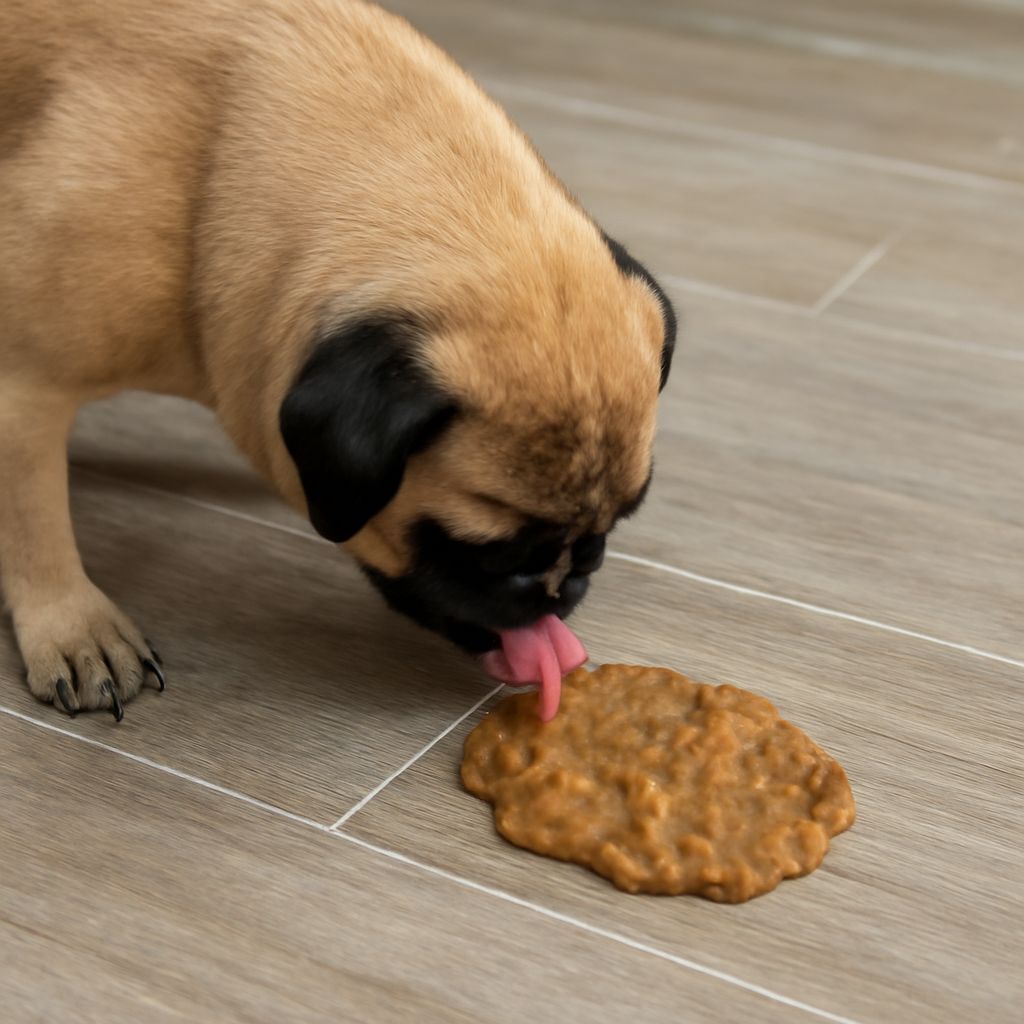
When a dog throws up mucus, it often looks like a slimy, clear or white substance. This mucus is produced by the stomach lining and is generally harmless when seen occasionally. However, frequent occurrences may suggest gastrointestinal irritations or other issues.
Sometimes, a dog vomiting mucus can be linked to inflammation of the stomach or intestines, known as gastritis or enteritis. Another contributing factor could be a reaction to certain foods or medications. Monitoring your dog’s behavior and any additional symptoms is essential for determining the cause.
What Causes Dogs to Throw Up White Mucus?
White mucus in dog vomit can be alarming and is often mistaken for phlegm. This can occur when a dog drinks water too quickly or exercises vigorously after eating. It may also signify a mild stomach disturbance that resolves on its own.
However, persistent vomiting of white mucus could indicate more severe conditions such as acid reflux or pancreatitis. In young puppies, this could also be a symptom of parasites. Observing the frequency and accompanying symptoms of vomiting is vital in assessing the situation.
How to Address Causes of Dog Vomiting
To address dog vomiting effectively, start by ensuring your pet has access to fresh water and is not overeating in one sitting. Adjusting their diet to exclude potential irritants may also help. If dietary changes don’t improve the situation, further examination by a vet is advisable.
Keep track of any additional symptoms like lethargy, diarrhea, or continued refusal to eat, as these can provide critical clues about your dog’s health. In cases of persistent vomiting, a veterinarian can perform diagnostic tests to identify any severe underlying conditions.
Always seek professional advice from a vet if you are concerned about your dog’s vomiting or lack of appetite, especially if these issues are frequent or accompanied by other worrying signs.