Many dog owners panic when faced with their dog pooping clear liquid, fearing it might be a sign of severe illness. However, it’s essential to understand that not all digestive issues in dogs are symptoms of major health problems. Sometimes, the issue is as simple as constipation or a minor digestive upset. Recognizing these signs and understanding how to address them can prevent unnecessary stress for both you and your furry friend.
In this article, we’ll explore the reasons behind a dog straining to poop, how to determine if your dog suffers from constipation, and practical solutions to help your pet. Additionally, we’ll discuss scenarios where a dog’s straining might lead to diarrhea, offering a comprehensive view of dog digestive health.
Why Is My Dog Straining to Poop?
When a dog keeps trying to poop but nothing comes out, it could be experiencing constipation. Various factors can contribute to this, including inadequate fiber in the diet, lack of exercise, or dehydration. Stress or anxiety may also lead a dog to strain more than usual during bowel movements.
Another potential cause is foreign objects or hairballs obstructing the digestive tract. Dogs that frequently groom themselves or ingest non-food items are at a higher risk. Always monitor your dog’s behavior and eating habits to identify potential problems early.
How Do I Know If My Dog Is Constipated?
Identifying constipation in dogs involves observing specific behavioral and physical signs. If your dog is straining to poop, you might notice it spending more time in the squatting position or appearing uncomfortable. Additionally, passing small, hard stools or none at all over a day or more can indicate constipation.
Other signs include a decreased appetite, lethargy, and abdominal discomfort. If your dog’s stools are small and dry, it’s a clear indication that it could be constipated. In such cases, adjusting its diet or increasing water intake may help alleviate the issue.
What to Do If Your Dog Keeps Trying to Poop but Nothing Comes Out
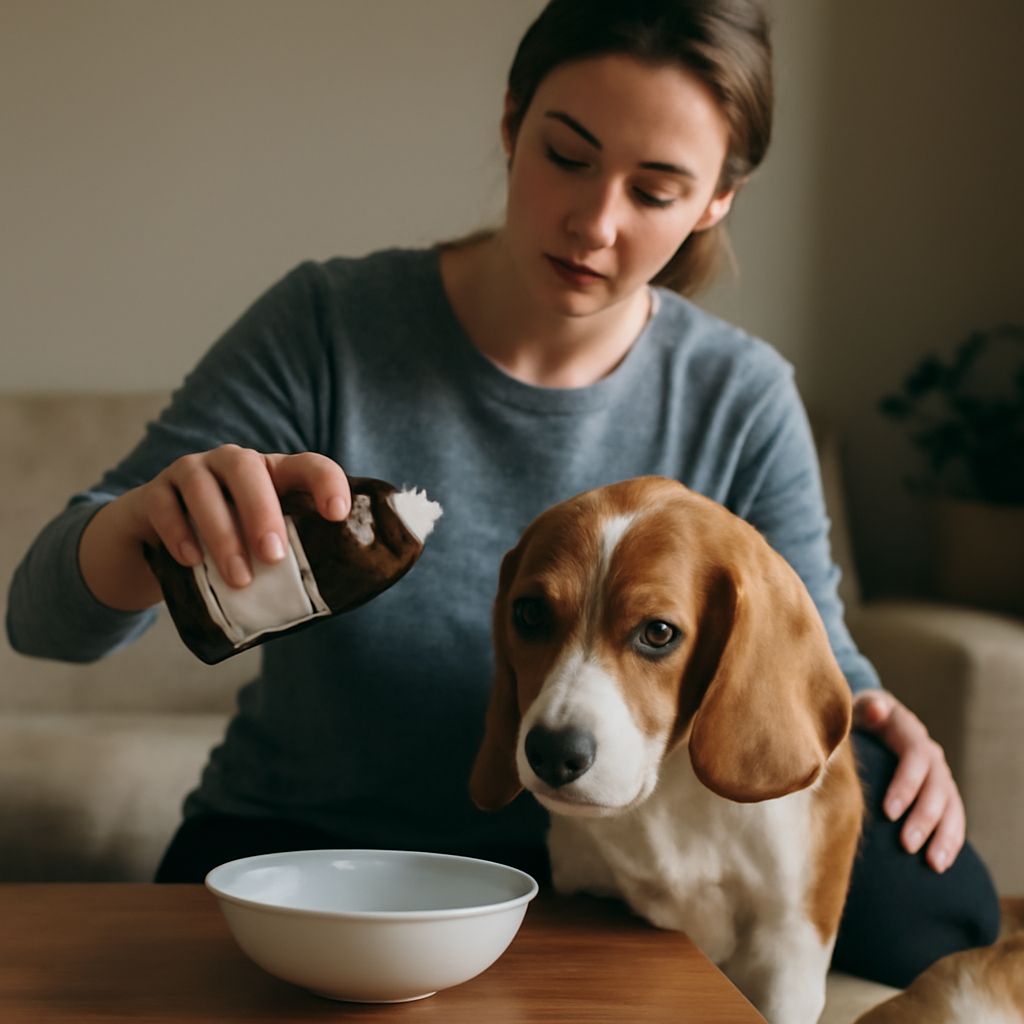
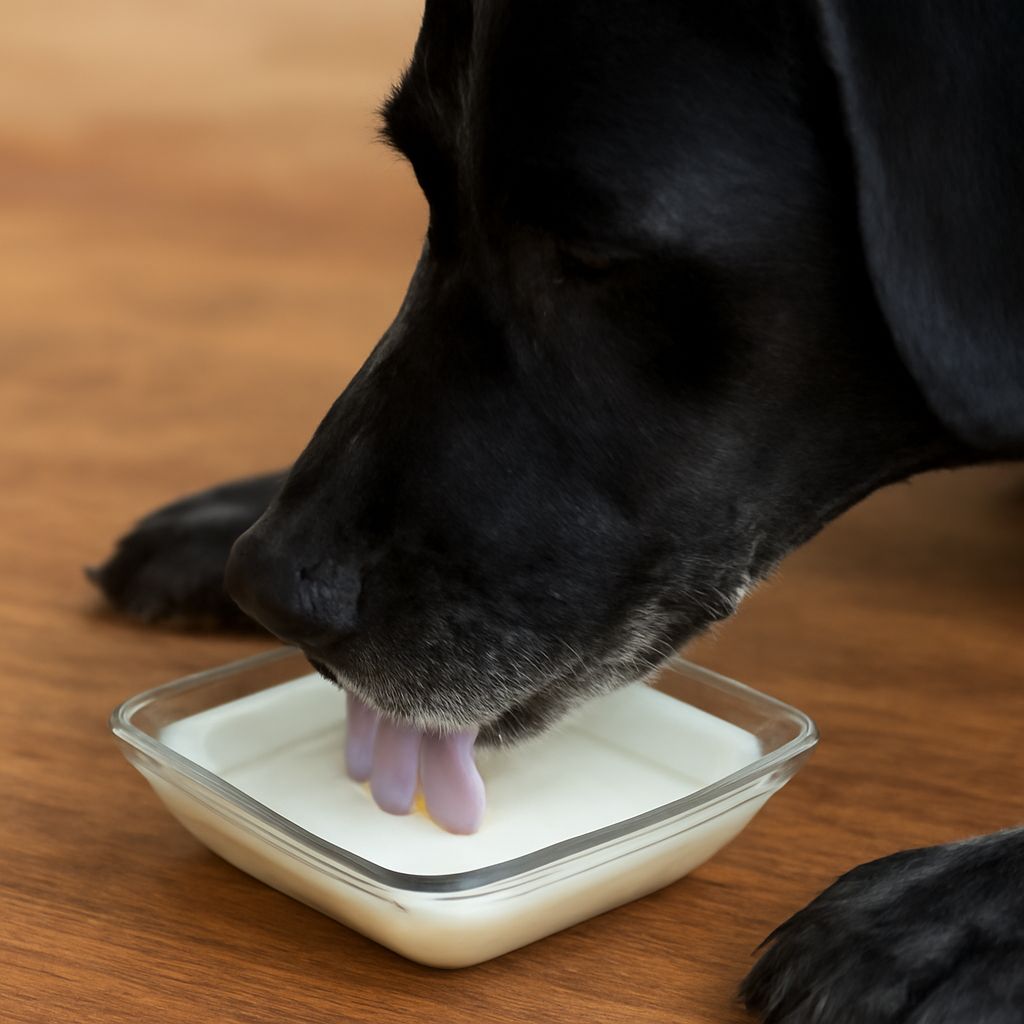
If your dog keeps attempting to defecate without success, start by ensuring it remains hydrated and has a balanced diet. Adding more fiber-rich foods like canned pumpkin or switching to a high-fiber dog food can promote regular bowel movements.
Regular exercise is equally important, as it stimulates digestion and helps prevent constipation. Walking your dog more frequently or engaging it in playful activities can make a significant difference.
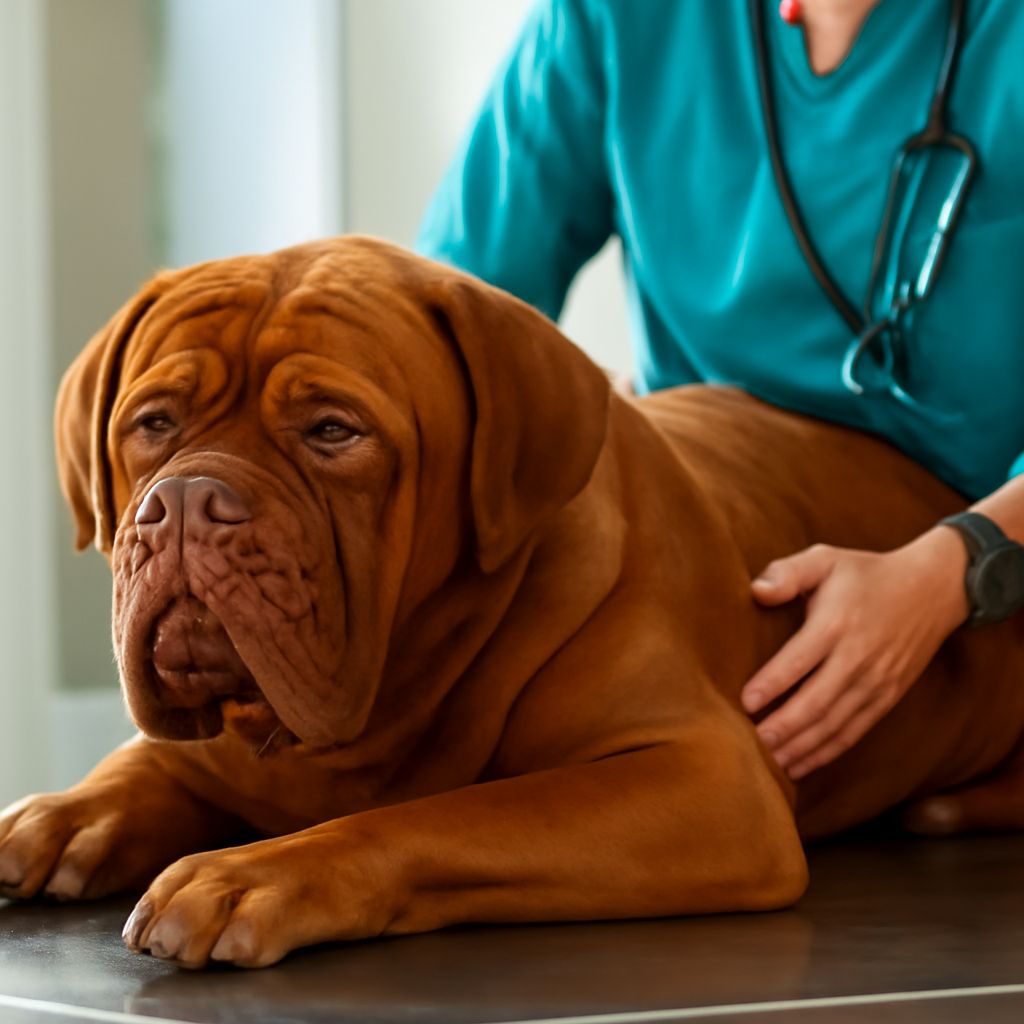
If these adjustments don’t alleviate the problem, consult your veterinarian. Persistent constipation may require professional intervention or indicate underlying health issues that need to be addressed.
Understanding When Dog Straining Leads to Diarrhea
Sometimes, a dog straining to poop can transition into diarrhea. This can happen if the dog ingests something that irritates its gastrointestinal tract or if an infection is present. The contrast between straining and passing loose stools can be alarming but is often treatable with the right care.
Hydration is crucial when dealing with diarrhea, as it can quickly lead to dehydration. Monitor your dog’s condition closely, and offer a bland diet temporarily, such as boiled chicken and rice, until its digestive system stabilizes.
If diarrhea persists, it’s vital to seek veterinary care to rule out infections, allergies, or more severe conditions that could require specialized treatment.
Key takeaways: Understanding the causes of your dog straining or experiencing digestive difficulties is crucial in maintaining its health. Regular monitoring, appropriate dietary modifications, and timely veterinary consultation can effectively prevent and manage constipation and diarrhea in dogs.