When discussing home decor, one might not immediately think of reptiles, yet the smallest pet snake can add a unique element to any space. Their compact size allows for stylish vivarium setups that can complement a room much like dog frames accentuate a home’s personality. On the other hand, understanding how these tiny reptiles fit into our homes and lives involves dispelling myths around their care and behavior, much like correcting misconceptions about old dog incontinence. This guide will reveal the realities of the smallest pet snakes, ensuring you can make an informed decision about these fascinating companions.
What Are the Smallest Pet Snakes?
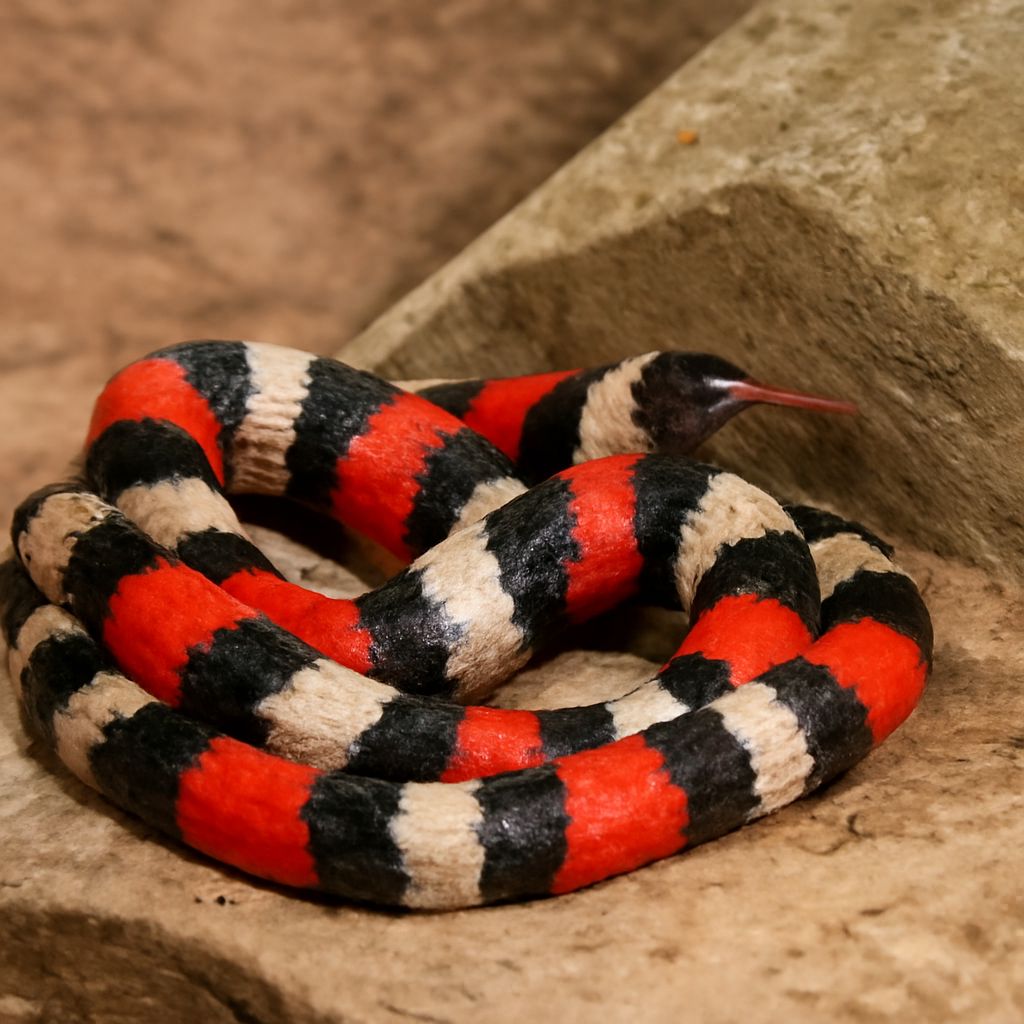
The smallest pet snakes are often sought for their manageable size and low-maintenance needs. Species like the Kenyan Sand Boa, the Children’s Python, and the Rosy Boa are popular choices. These snakes usually do not exceed 3 feet in length, making them ideal for enthusiasts with limited space. The Sand Boa, for instance, is known for its gentle demeanor and burrowing habits, offering a unique pet experience. Their small size means they require less space, allowing pet owners to create intricate, visually appealing habitats without the need for large enclosures.
Additionally, these tiny serpents have modest dietary requirements compared to larger snakes, typically consuming smaller prey, such as pinkies. This aspect further simplifies their care, making them an excellent option for beginners in reptile keeping.
Why Choose the Smallest Snake as a Pet?
Opting for the smallest snake as a pet comes with several advantages. For one, their diminutive size makes them less intimidating to new owners or visitors who may be wary of reptiles. This characteristic often makes them more appealing than larger species. Furthermore, smaller snakes are generally easier to handle, reducing the risk of bites or accidents during interaction. This ease of handling is particularly beneficial for families with children eager to engage with their new reptile friends.
Moreover, the financial and time investment is typically lower. Small snakes require less food and have smaller habitat needs, which can significantly reduce costs. Their care, compared to larger reptiles, typically demands fewer resources and less cleaning, making ownership more accessible for those with busy lifestyles. These factors combined make the smallest snake pets a practical choice for a wide range of pet owners.
How to Care for Your Smallest Pet Snake
Caring for the smallest pet snake involves meeting their basic environmental and dietary needs. These reptiles thrive in a habitat that mimics their natural environment. A tank with appropriate heating, humidity, and hiding spaces is essential. Regularly monitor these conditions to ensure your snake’s comfort and health. Substrate choice can also impact their well-being; options like aspen bedding or coconut fiber are popular due to their burrowing behavior.
Feeding schedules should be maintained based on the species and age of the snake. Young snakes may require feeding every 5-7 days, while adults can often go 10-14 days between meals. Always provide fresh water and maintain cleanliness to prevent illnesses. While these snakes are hardy, routine health checks by a licensed professional are advised to address any potential health concerns early.
A significant aspect of their care is ensuring a stress-free environment. Limit handling to prevent undue stress and avoid keeping them in high-traffic areas of your home. Consistent, gentle handling will gradually acclimate your snake to human interaction, enhancing the pet-owner bond.
Safety recap: When handling these reptiles or maintaining their habitats, always prioritize safety. Their enclosures should be secure to prevent escape, and when cleaning or feeding, ensure your safety and theirs by adhering to best practices. With proper care and attention, your smallest pet snake can provide years of companionship and intrigue.