Many pet owners mistakenly assume that dog collar sizes are universal, leading to discomfort or even injury for their furry friends. However, various breeds and styles demand different collar considerations, making it essential to understand the nuances of dog collar sizes. Whether you’re drawn to a bold blue leather dog collar or an intricate Aztec dog collar, grasping the significance of a dog collar size chart can transform your shopping experience from guesswork to precision.
Finding the right dog collar width is crucial for your pet’s comfort and safety. A well-fitted collar isn’t just a fashion statement; it’s an essential piece of gear that supports your dog’s well-being on walks and during training sessions. Let’s delve into the key factors to consider when choosing the perfect collar for your canine companion.
Why is a Dog Collar Size Chart Important?
A dog collar size chart serves as a valuable tool in determining the correct fit for your pet. Without this guide, pet owners may inadvertently select a collar that is too tight, potentially restricting breathing or causing skin irritation. Conversely, a collar that is too loose might slip off, posing risks during outdoor activities.
Breed-specific charts consider unique anatomical features, ensuring that collars are both comfortable and secure. Deciphering these charts can help prevent common issues such as neck strain or fur entanglement, making the chart’s guidance indispensable.
How to Measure Your Dog for the Right Collar Size
Accurate measurements are the cornerstone of selecting the right collar. Begin by using a flexible tape measure to determine your dog’s neck circumference. Ensure the tape is snug but not tight, allowing for approximately two fingers’ width between the tape and your dog’s neck.
This method aids in avoiding collars that are too restrictive or prone to slipping off. For puppies or dogs with fluctuating sizes, regular measurement updates are advisable. If uncertain, consult a licensed pet stylist or veterinarian for additional guidance on accurate sizing techniques.
Choosing the Right Dog Collar Width
The width of the collar plays a critical role in its effectiveness. Wider collars distribute pressure more evenly across a dog’s neck, ideal for larger breeds or those prone to pulling. Conversely, narrower collars may be more fitting for petite breeds, offering a lighter feel that prevents unnecessary weight.
Consider your dog’s daily activities and behaviors when selecting collar width. For active dogs, robust and broader collars enhance safety during vigorous play or training sessions. Frequent evaluations of collar condition and fit help maintain optimal comfort and functionality.
Exploring Styles: Blue Leather and Aztec Dog Collars
Style preferences often influence collar choice, with options ranging from classic to contemporary designs. Blue leather dog collars exude elegance, combining durability with a timeless aesthetic suitable for any occasion. Their material stands up well against wear and tear, making them a practical choice for everyday use.
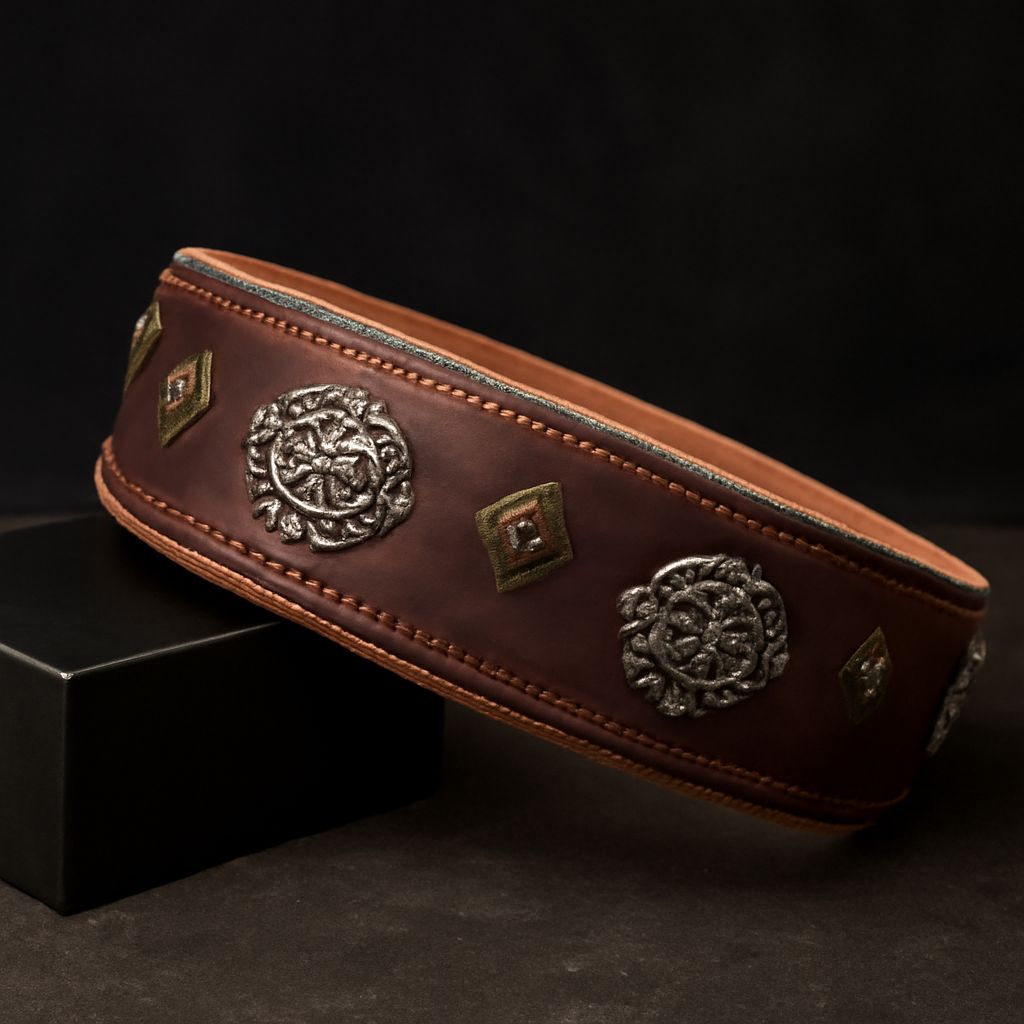
For those seeking unique flair, an Aztec dog collar offers vibrancy and cultural richness. These collars are crafted to showcase intricate patterns and colors, perfect for dogs whose personality matches their bold fashion statement. Both styles demand careful examination of size charts to ensure a flawless fit.
Ultimately, selecting the ideal collar involves balancing aesthetics with functionality. By understanding the importance of size charts, measurement techniques, and width considerations, pet owners can make informed decisions that enhance their dog’s comfort and style quotient.