Imagine having a creature known for its slow pace and tranquil demeanor as your pet. The idea of a pet sloth might sound appealing, but can a sloth be a pet? Despite the growing fascination with these gentle animals, the realities of keeping sloth pets are often misunderstood. This piece explores whether a sloth can be a pet, the legalities involved, and what it takes to care for such an exotic companion.
Before rushing to find a pet sloth for sale, it is crucial to understand what makes these animals unique and the commitment required to ensure their well-being. Sloth pets are not like conventional animals; they have specific needs and come with responsibilities that must be seriously considered.
What Makes a Pet Sloth Unique?
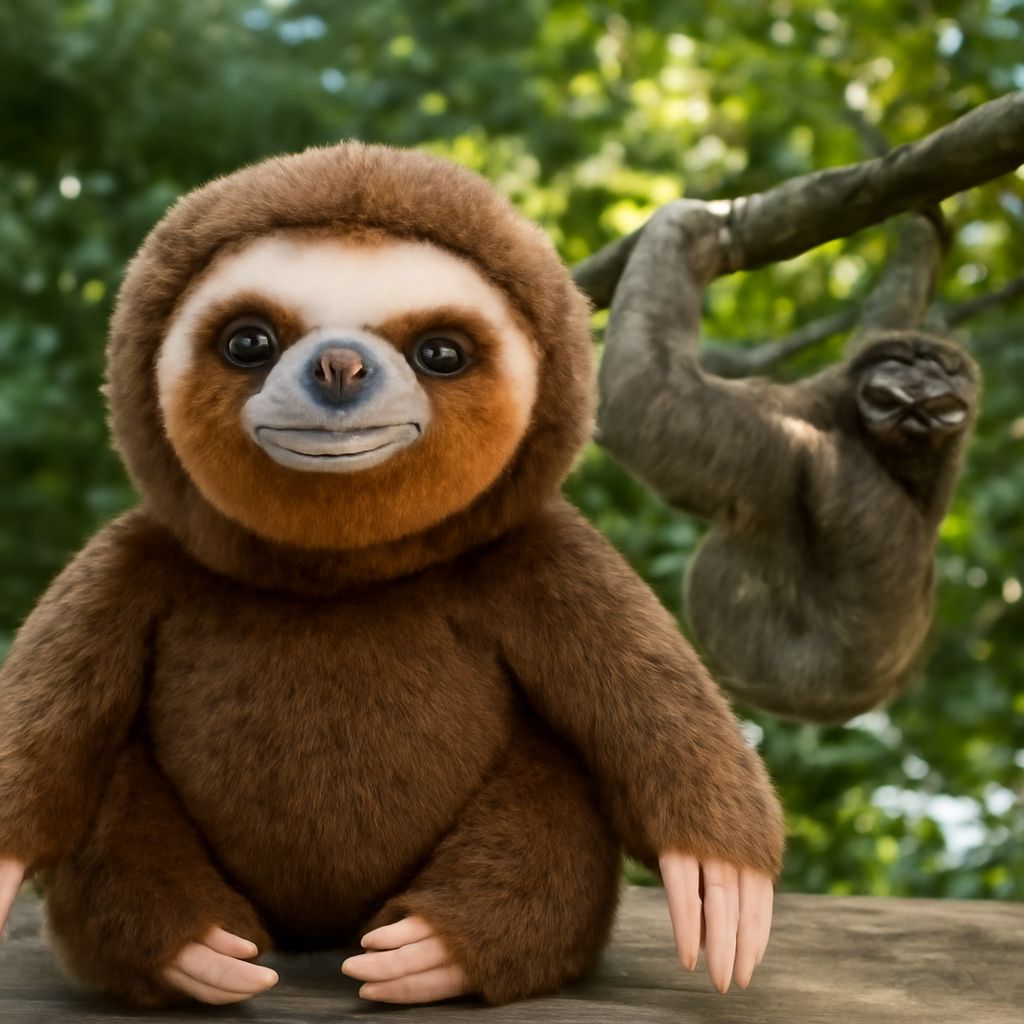
Sloths, with their distinctively slow movements and endearing features, are a captivating choice for animal lovers. Their unique lifestyle centers around a slow metabolism, which dictates their leisurely pace and affects their dietary and environmental needs. Unlike cats or dogs, sloths require specialized care to maintain their health and happiness.
These animals inhabit the forests of Central and South America, where they thrive in warm, humid conditions. Creating a suitable habitat for a sloth involves replicating these environmental factors as closely as possible. Additionally, their diet primarily consists of leaves, which means pet owners must be diligent in providing the right type of vegetation regularly.
Can Sloths Be Pets Legally?
The legality of owning sloth pets varies widely depending on jurisdiction. In some places, regulations are strict, and owning a sloth might require specific permits or adherence to stringent guidelines. Potential pet owners must research local laws to ensure compliance before acquiring a sloth.
In many areas, sloths are protected under wildlife conservation laws, making their possession illegal without proper authorization. Engaging in the illegal pet trade not only risks legal repercussions but also endangers the survival of these creatures in the wild. Prospective owners should consult with authorities to understand legal requirements and ensure ethically sourced animals.
How to Care for Sloth Pets
Caring for sloths demands dedication and a willingness to adapt to their needs. These creatures require a controlled environment, where temperature and humidity levels mimic their natural habitat. An enclosure with ample climbing space is essential for their physical health and well-being.
Regular veterinary check-ups are vital to monitor their health, as sloths are prone to specific health issues that may not be apparent to untrained eyes. Consulting a licensed exotic animal veterinarian ensures any health concerns are addressed promptly.
Social interaction is also important. Although sloths are solitary in the wild, they still benefit from engagement with their human caretakers. This interaction helps prevent stress and promotes a higher quality of life.
Where to Find a Pet Sloth for Sale
Finding a pet sloth for sale is not as straightforward as purchasing more common pets. Prospective owners should seek out reputable, licensed breeders or sanctuary programs that prioritize the animals’ welfare. These sources ensure that the sloths are raised in environments conducive to their health and adaptability in captivity.
It is critical to exercise caution and avoid illegal or unethical dealers who might offer sloths without regard for legal or ethical standards. Engaging with accredited sources not only guarantees a healthier pet but also supports conservation and ethical breeding practices.
Embracing the responsibility of caring for a sloth means undertaking thorough research and preparation. These incredible creatures require more than just admiration; they need a dedicated environment and thoughtful care to thrive.