Many dog owners might initially be startled when they discover that their beloved pet has a bloody nose. The sight of blood can conjure up images of severe injuries or illness, yet it’s not always a sign of something serious. Understanding the potential causes can help you determine whether a simple home remedy could suffice or if a visit to the vet is necessary.
In addition to nasal issues, skin irritation in dogs is another common concern. While essential oils for dog skin allergies can provide relief, they aren’t always the answer. If your pet has a hole in its skin or is suffering from flea infestation, different approaches will be required. Here’s a comprehensive look at these issues and how you can effectively address them.
Why Does My Dog Have a Bloody Nose?
A bloody nose in dogs, also known as epistaxis, can result from various causes. Trauma is one of the most common reasons—a playful pup may bump its nose during rough play. Other causes include foreign objects lodged in the nasal passages, infections, or more serious conditions like tumors or clotting disorders.
Infections, which can be bacterial, fungal, or viral, may lead to inflammation and bleeding. Similarly, dental disease can sometimes cause blood to appear in your dog’s nose if the infection spreads to the nasal cavity. If the bleeding is persistent or accompanied by other symptoms such as lethargy or loss of appetite, it’s crucial to consult a veterinarian.
Essential Oils for Dog Skin Allergies
Essential oils can be a soothing remedy for dog skin allergies when used correctly. Lavender oil, for instance, is known for its calming and anti-inflammatory properties. Chamomile oil can also reduce itching and irritation, providing your dog with much-needed relief.
However, it’s critical to use essentials oils with caution. Dogs have sensitive skin, and some oils can lead to adverse reactions if applied incorrectly. Always dilute oils properly and perform a patch test before applying them broadly. Consulting with a pet professional can guide you on safe usage.
What to Do If Your Dog Has a Hole in Its Skin
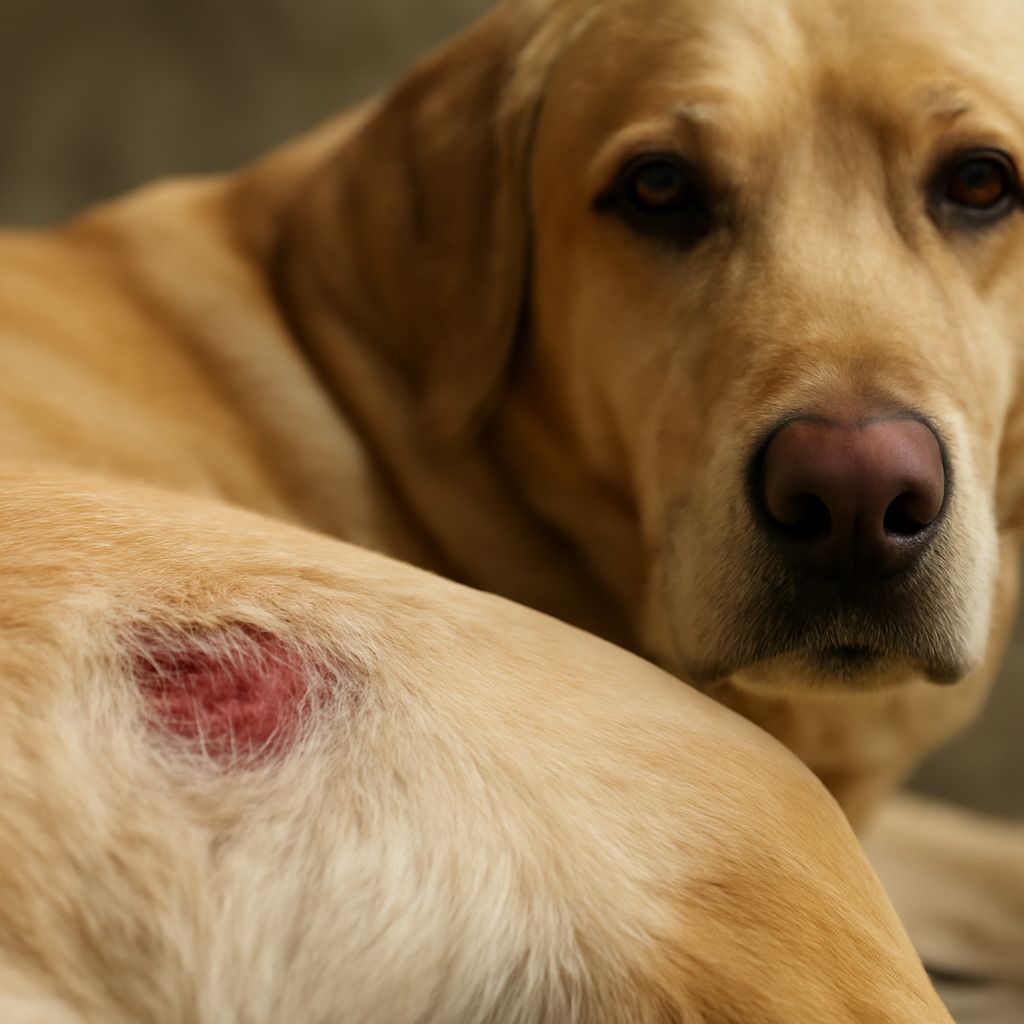
Discovering a hole in your dog’s skin can be alarming. This condition can be due to several factors, including injuries, infections, or even insect bites. If the wound is small and superficial, thorough cleaning and an application of a pet-safe antiseptic may suffice.
For deeper or infected wounds, professional veterinary care is recommended. Such cases might require stitches, antibiotics, or further examination to rule out underlying issues like skin conditions or immune disorders. Timely intervention can prevent complications and promote faster healing.
How Fleas Affect Your Dog’s Health
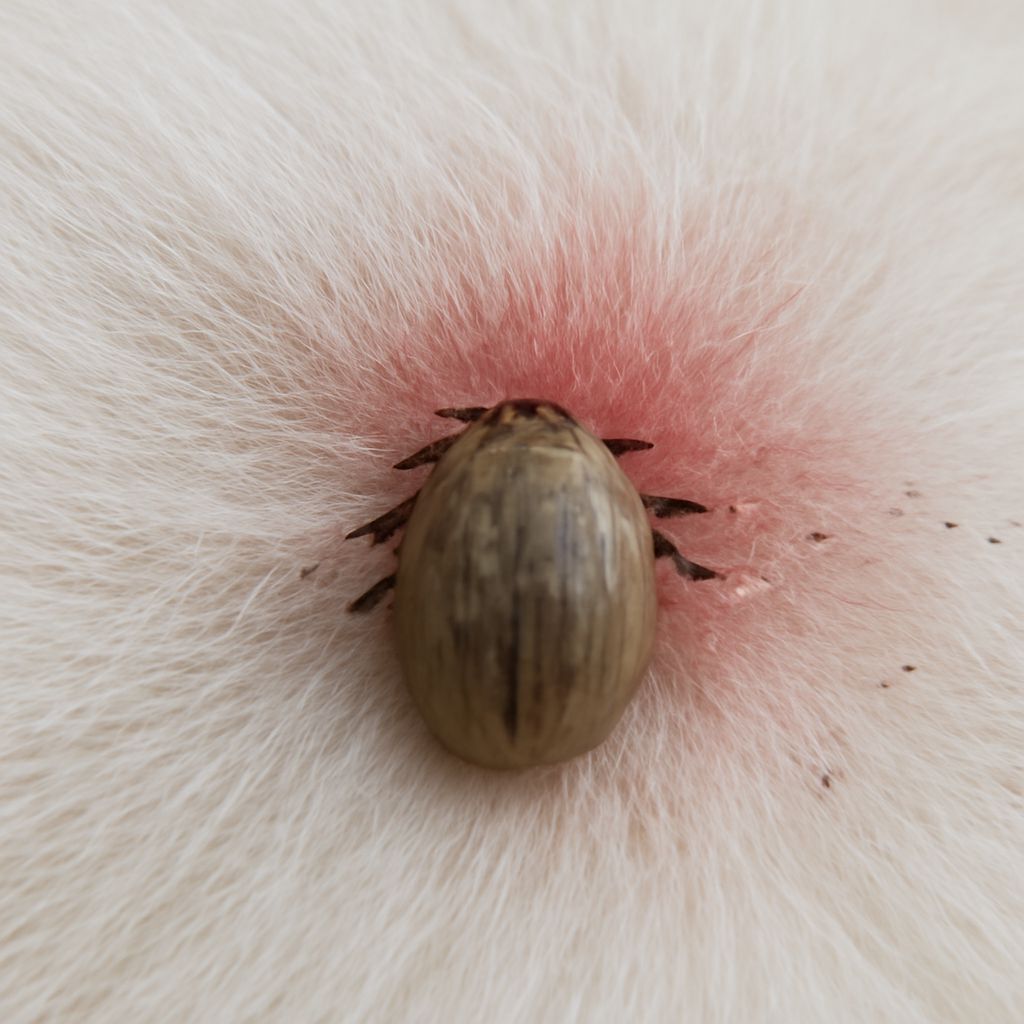
Fleas are not just a nuisance; they can significantly impact your dog’s health. These tiny parasites feed on blood, leading to itching, irritation, and even anemia in severe infestations. Flea bites can also provoke allergic reactions, resulting in intense scratching and secondary skin infections.
Managing a flea problem involves a multi-faceted approach. Regular use of flea prevention products, maintaining a clean environment, and monitoring your pet’s skin health are all vital. If your dog shows signs of a flea allergy, like red, inflamed skin, gentle treatment with hypoallergenic products is advisable.
For recurring flea issues, consulting with a vet can help you devise an effective flea management strategy. Long-term solutions often include oral or topical treatments that break the flea life cycle, ensuring your pet’s comfort and health.