Many dog owners believe the process of drawing blood from their furry friends is one strictly reserved for veterinarians. While expert care is essential for complex procedures, there are situations where owners might need to know how to bandage a dog or manage minor first aid tasks at home. Understanding how to draw blood from a dog safely can enhance your ability to provide necessary care when immediate professional help is unavailable. This guide explores how to do so responsibly, while also addressing common behavioral challenges such as stopping a dog from jumping and nipping, and understanding dog dominance behavior.
Armed with the right knowledge, you can help your pet while waiting for expert assistance. From learning effective bandaging techniques to managing behavioral issues like your dog chewing himself excessively, this article provides essential insights into responsible dog care.
Preparing to Draw Blood from Your Dog
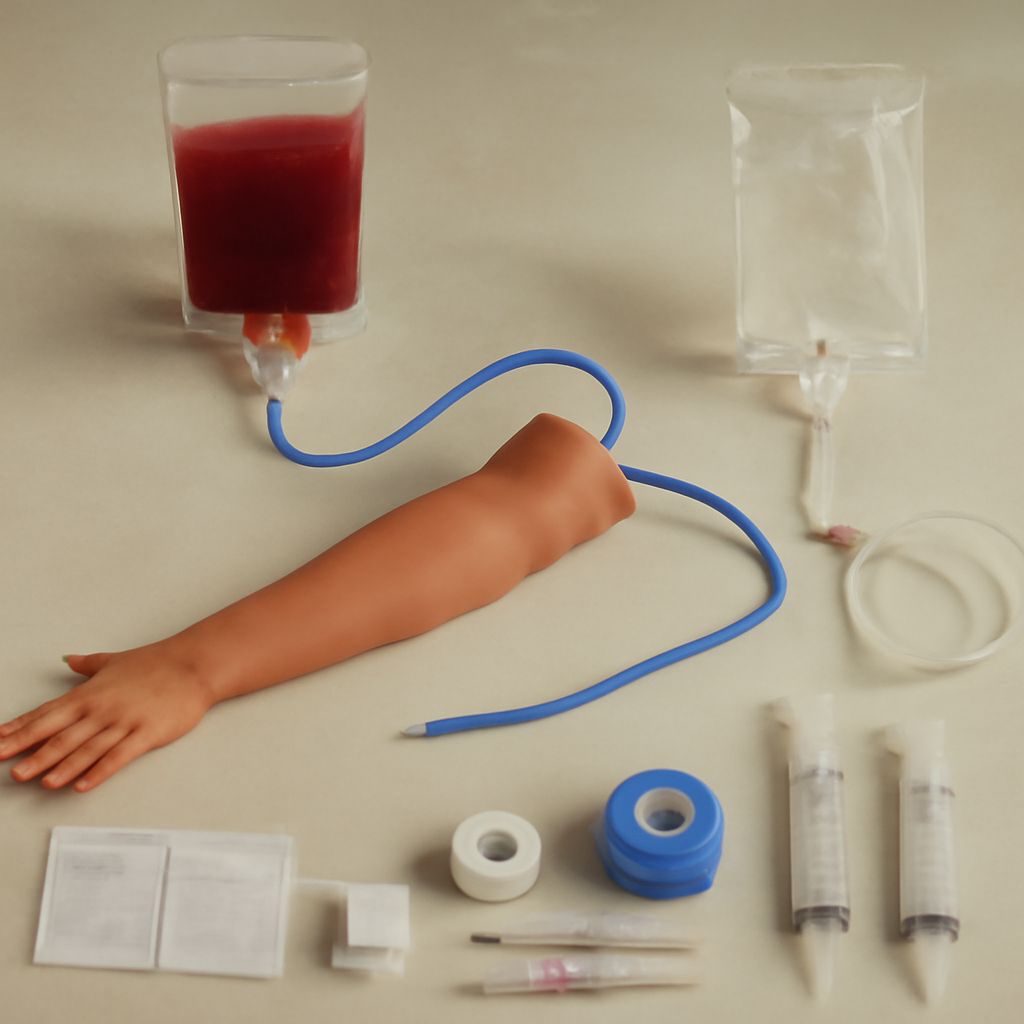
Before attempting to draw blood from your dog, ensure you have the necessary equipment ready. You will need sterile needles, collection tubes, and antiseptic wipes. It’s critical to create a calm environment to minimize stress for both you and your pet. Familiarize yourself with your dog’s anatomy to identify the best vein, typically the cephalic vein located on the forelimb.
Practice gentle restraint techniques to prevent your dog from moving abruptly. If your dog exhibits resistance, consider consulting a veterinarian to avoid injury or stress. Handling a calm and cooperative pet is crucial for a successful blood draw.
How to Bandage a Dog after Drawing Blood
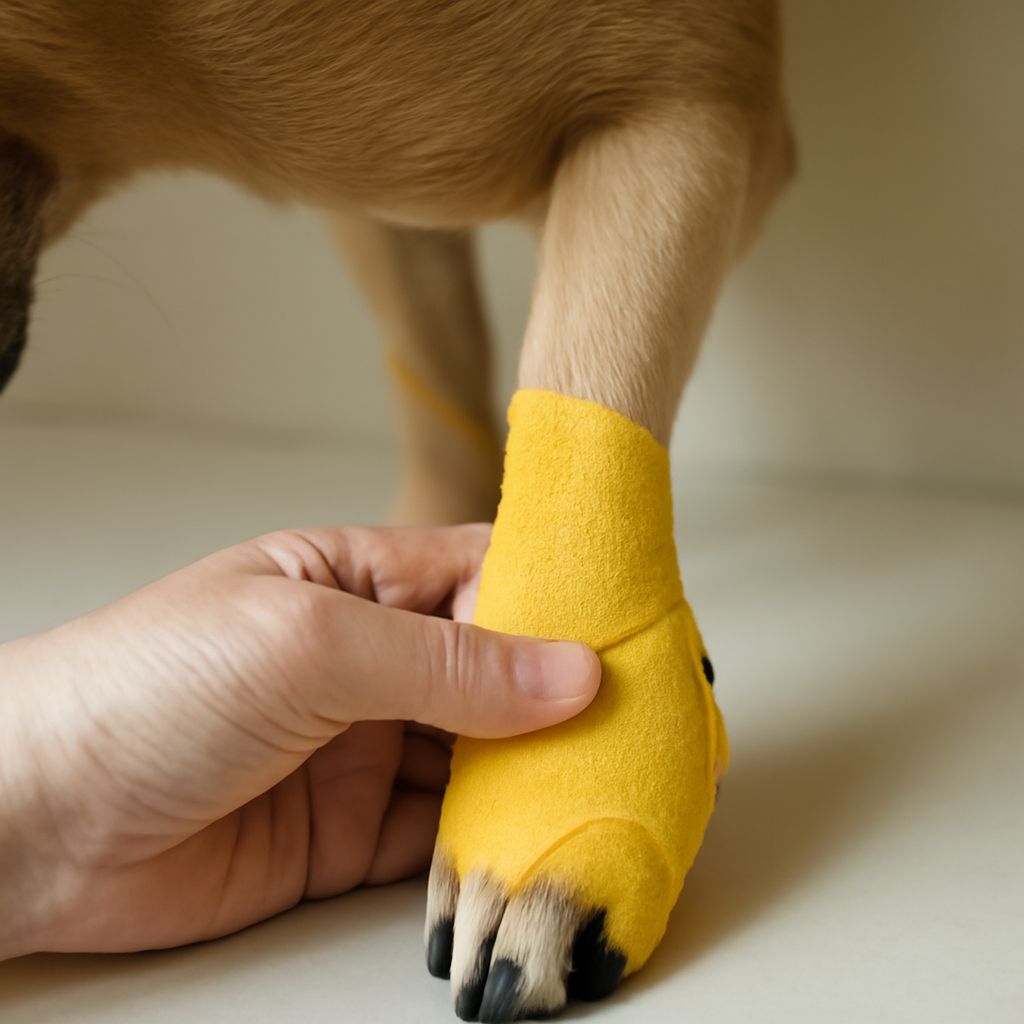
Once you have drawn blood, it is essential to know how to bandage a dog correctly. Clean the puncture site with antiseptic and apply gentle pressure to stop bleeding. Use a sterile bandage to cover the area, ensuring it is snug but not too tight. This prevents contamination and supports healing.
Monitor your dog for any signs of discomfort or swelling. If the bandage becomes soiled or loose, replace it promptly to maintain hygiene. Bandaging a dog properly aids in recovery and prevents complications.
How to Stop a Dog from Jumping and Nipping
Excessive jumping and nipping are common issues, especially in young dogs. To stop a dog from jumping on guests or furniture, consistent training is key. Teach your dog the “sit” command and reward it with treats when it follows instructions. This positive reinforcement encourages desired behavior.
Redirect nipping by offering chew toys or engaging in appropriate play. If your dog persists in nipping, a firm “no” and temporary withdrawal of attention can communicate that the behavior is unacceptable. Patience and consistency will yield results over time.
Addressing Chewing and Dominance Behavior
Certain dogs may chew excessively or exhibit dominance behavior, such as growling or guarding resources. To curb these issues, provide ample physical and mental stimulation. Chew toys and interactive games can channel energy positively and reduce inappropriate chewing.
For dominance-related behaviors, establish firm yet gentle boundaries. Consistent commands and structured routines help your dog understand its role within the household hierarchy. If dominance issues persist, seeking the guidance of a professional dog behaviorist can offer tailored strategies to address specific challenges.
Understanding and managing your dog’s needs can significantly improve your relationship and ensure their well-being. Always prioritize professional care when necessary, especially in complex situations.