For many dog owners, the term “yeast infection” may conjure images of discomfort and endless vet visits. However, understanding that these infections are manageable and often preventable can be empowering. From infected dog paws to ear infections, yeast thrives in warm, moist environments, making your furry friend’s ears and paws prime real estate for this unwelcome guest. Yet with the right knowledge, you can intervene effectively when these issues arise.
One common concern is how to treat dog yeast infections promptly. Whether you’re dealing with a painful paw or an irritated ear, recognizing the symptoms early is key. Moreover, many dog owners are unaware that conditions like yeast infections can affect both skin and ears, often necessitating distinct approaches for each.
What Causes Dog Ear Yeast Infections?
Dog ear yeast infections are typically caused by an overgrowth of the Malassezia yeast. This naturally occurring organism is usually kept in check by the immune system. However, when conditions change, such as increased moisture or a compromised immune response, yeast can multiply, leading to an infection. Factors like allergies, excess wax, or even an underlying skin issue can exacerbate the problem.
How to Treat Dog Yeast Infection in Ears
Treating a dog yeast infection in the ears often requires a multi-faceted approach. Cleaning the ears gently with a vet-recommended solution can help reduce the yeast load. Antifungal medications are frequently prescribed to tackle the infection more aggressively. It’s crucial for dog owners to follow the vet’s guidance closely during this process to ensure the yeast is completely eradicated.
Regular ear cleaning can prevent future infections, especially in breeds prone to such issues. Always be cautious and consult a licensed veterinarian before attempting complex procedures, such as ear cleaning, to prevent injuring your dog’s sensitive ears.
Recognizing Dog Paw Infection Symptoms
Dog paw infections can manifest through various symptoms, including redness, swelling, and a noticeable odor. Dogs may also excessively lick or chew at their paws, indicating discomfort. A yeast infection on a dog’s paw can lead to these signs, requiring prompt attention.
To diagnose the issue accurately, it’s advisable to observe the dog’s behavior and check for visible signs of infection regularly. Persistent symptoms should be evaluated by a veterinarian to differentiate between yeast infections and other potential causes.
Effective Treatments for Infected Dog Paw
To treat an infected dog paw, cleanliness is paramount. Regularly washing the paw with a gentle, vet-approved cleanser can help control the yeast. Applying topical antifungal treatments may be recommended by your vet to address the infection directly.
In severe cases, systemic medications might be necessary. Always ensure that any treatment plan is discussed and supervised by a veterinary professional to avoid complications or resistance.
Dog Yeast Infection Skin Pictures: Identifying Symptoms
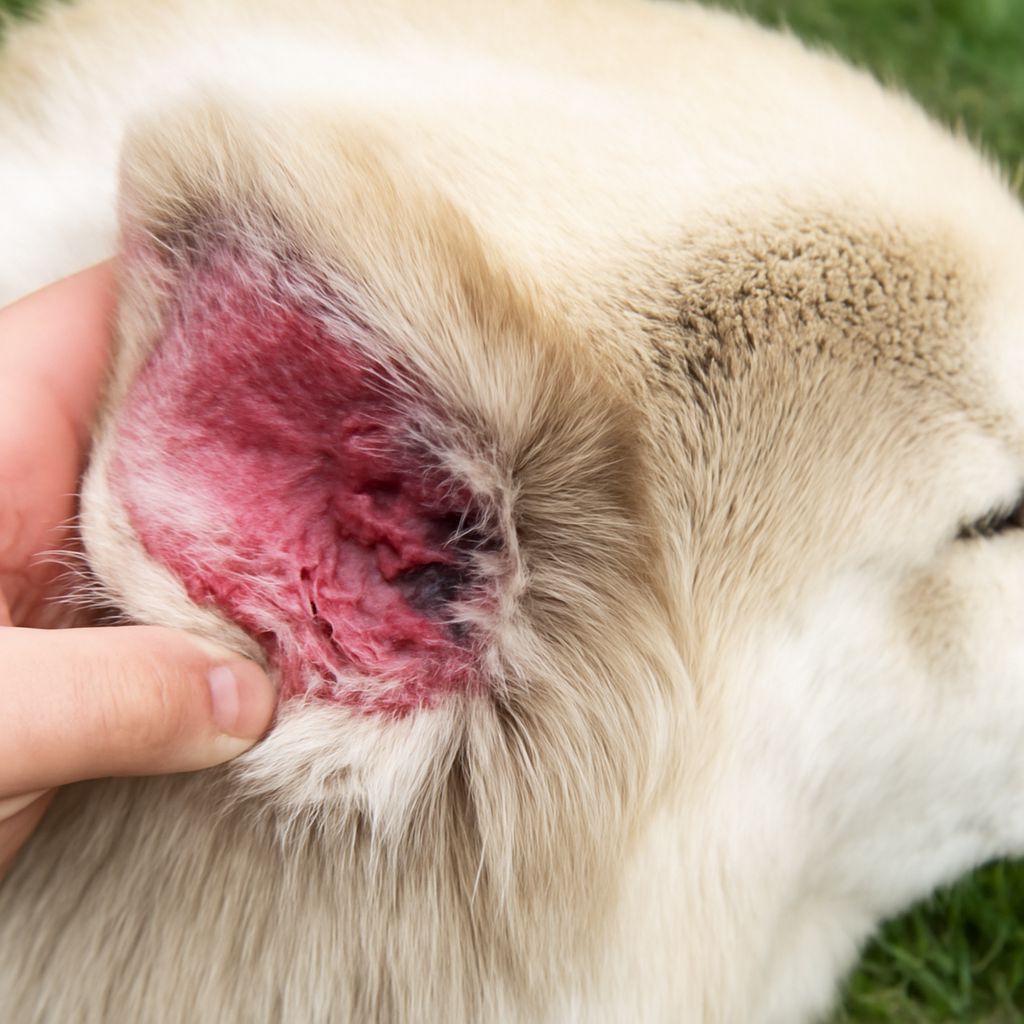
Understanding dog yeast infection skin pictures can be beneficial for identification. Such images typically highlight areas of irritation, redness, and possible hair loss, especially in severe cases. Recognizing these visual cues can aid owners in seeking timely veterinary care.
While online resources can provide preliminary insight, an accurate diagnosis should always be confirmed by a professional. If you observe similar symptoms in your dog, consulting a veterinarian is crucial for an appropriate treatment plan.
Bottom line: Yeast infections in dogs, whether affecting the ears or paws, require prompt and informed action. By understanding the causes, identifying symptoms, and pursuing effective treatments, dog owners can significantly improve their pet’s comfort and health. Always consult with a veterinarian for serious or persistent cases to ensure your dog’s well-being.