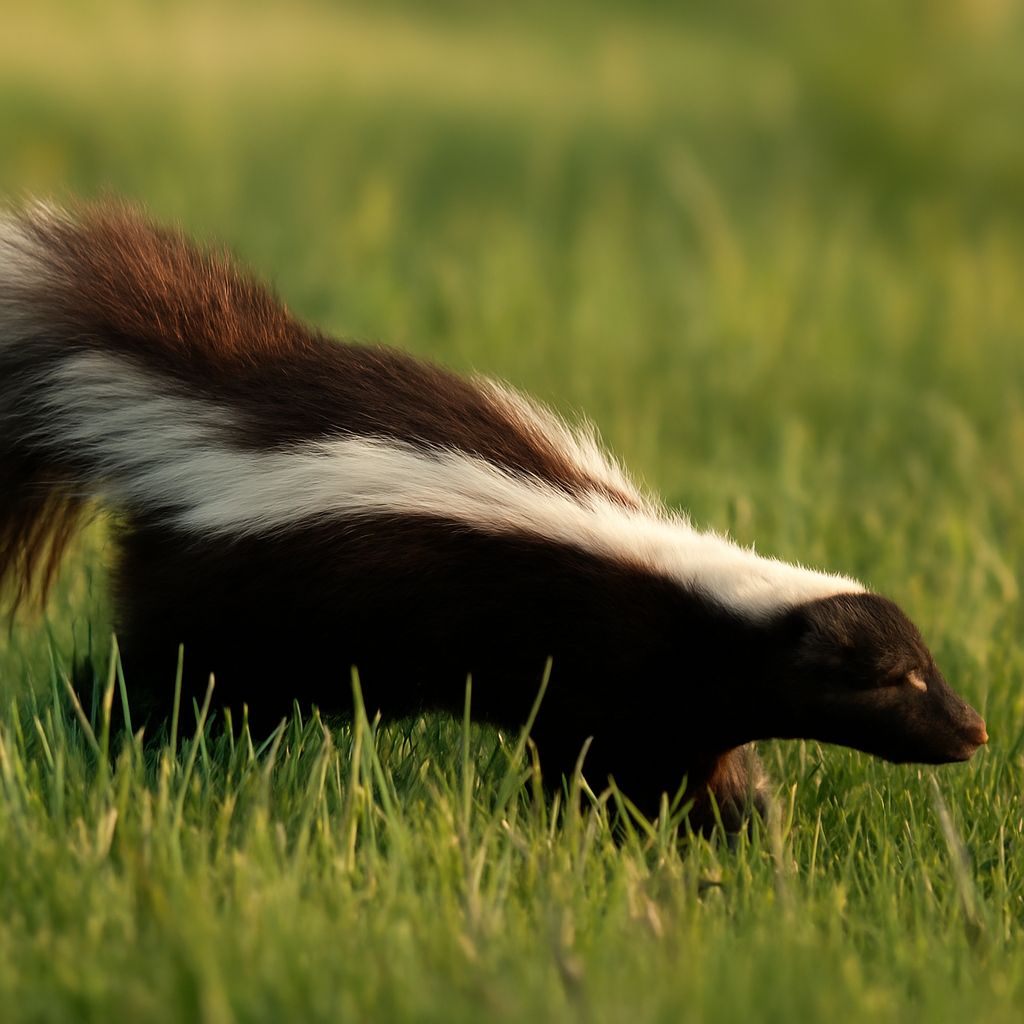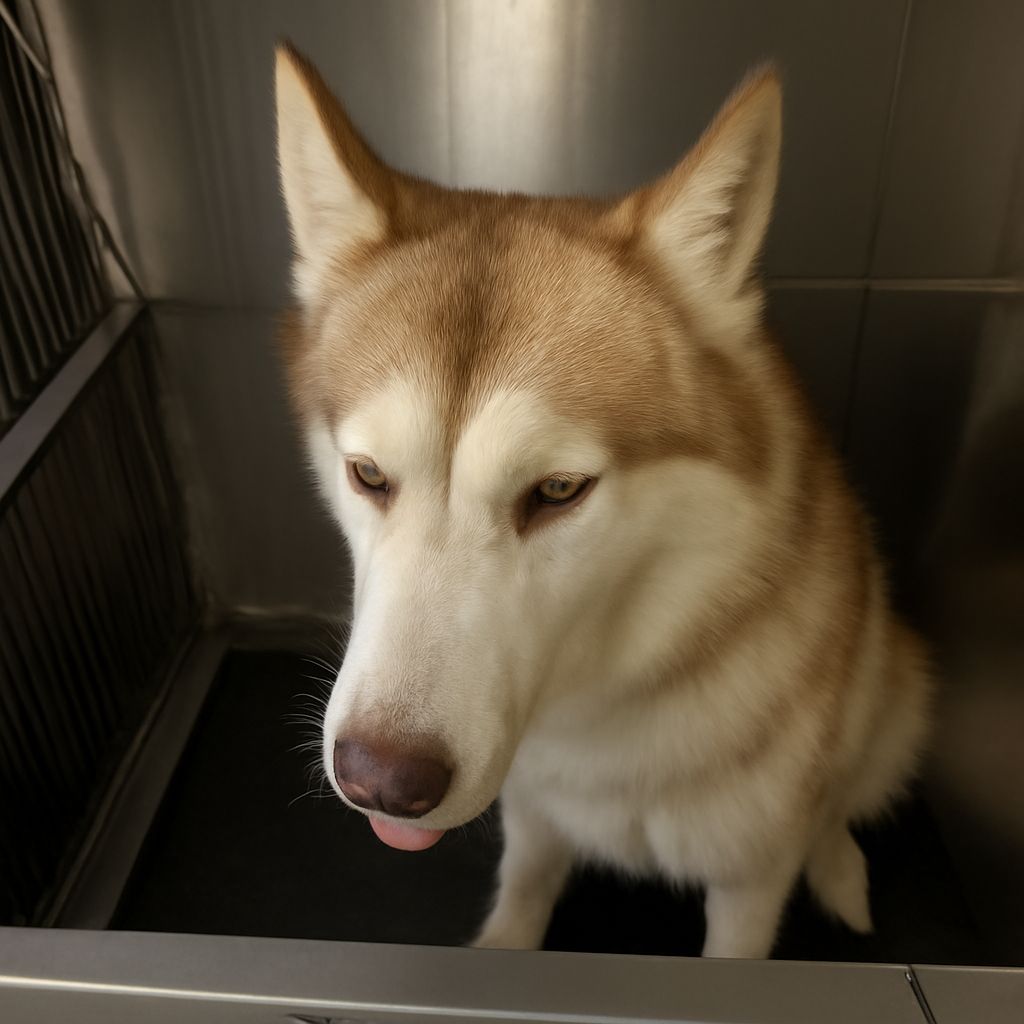
Pet owners often worry about their dogs meeting a skunk, fearing the strong and pungent smell of skunk spray. Unfortunately, many believe that once a dog is sprayed, the odor will linger indefinitely. Let’s dispel this myth: a dog sprayed by skunk in the face can indeed be treated effectively. With the right approach, the offensive smell doesn’t have to be permanent. Additionally, if your dog gets sprayed by skunk foaming at mouth, there are specific actions to take to ensure their safety and comfort.
Another misconception is that all home remedies work equally well. While some traditional solutions may help, understanding the correct methods is crucial to successfully neutralize the odor and prevent any potential health issues. Below, we’ll explore how to help your dog if sprayed by skunk in the mouth and nose and provide tips to prevent future encounters.
Why Do Skunks Spray?
Understanding Skunk Behavior
Skunks spray as a defensive mechanism when they feel threatened. They use this tactic to fend off potential predators, including curious dogs. The spray is a skunk’s primary form of defense, and they reserve it for situations where they believe escape is impossible.
The Chemical Composition of Skunk Spray
Skunk spray contains sulfur-based compounds called thiols. These compounds are responsible for the strong, unpleasant odor. The chemical makeup of skunk spray can cling to fur and surfaces, which is why it can be so challenging to remove.
What Should I Do if My Dog Gets Sprayed in the Face?
Immediate Steps to Take
If your dog is sprayed directly in the face, act quickly to prevent further distress. Keep your dog outside to avoid spreading the smell indoors. Check their eyes for irritation and rinse them with clean water if necessary.
Home Remedies to Neutralize Skunk Odor
Common remedies include a mixture of hydrogen peroxide, baking soda, and dish soap. This combination can break down the thiols in skunk spray, reducing the odor. Ensure you rinse the solution thoroughly to avoid skin irritation.
When to Consult a Veterinarian
If your dog shows signs of severe discomfort, such as persistent foaming at the mouth or eye irritation, contact a veterinarian. Professional advice is crucial if you suspect your dog has ingested the spray or if they exhibit unusual behavior after the encounter.
How to Help a Dog Sprayed by Skunk Foaming at Mouth
Recognizing Signs of Distress
A dog sprayed by skunk in the nose may begin foaming at the mouth due to the irritating nature of the spray. Look out for signs such as excessive drooling, whining, or pawing at the face, which may indicate discomfort.
Safe Cleaning Techniques
Use lukewarm water and dog-friendly shampoos that can gently cleanse the affected areas. Avoid harsh chemicals that could exacerbate skin irritation. In case of persistent foaming or if the situation worsens, seek professional advice.
Preventing Future Skunk Encounters
Tips to Skunk-proof Your Yard
To reduce the risk of skunk encounters, secure trash bins and remove food sources from your yard. Install motion-activated lights or sprinklers to deter skunks from entering your space.
Training Your Dog to Avoid Skunks
Train your dog to recognize and avoid skunks. Use commands and positive reinforcement to teach them to stay away from skunk-prone areas or when they encounter a skunk’s scent during walks.