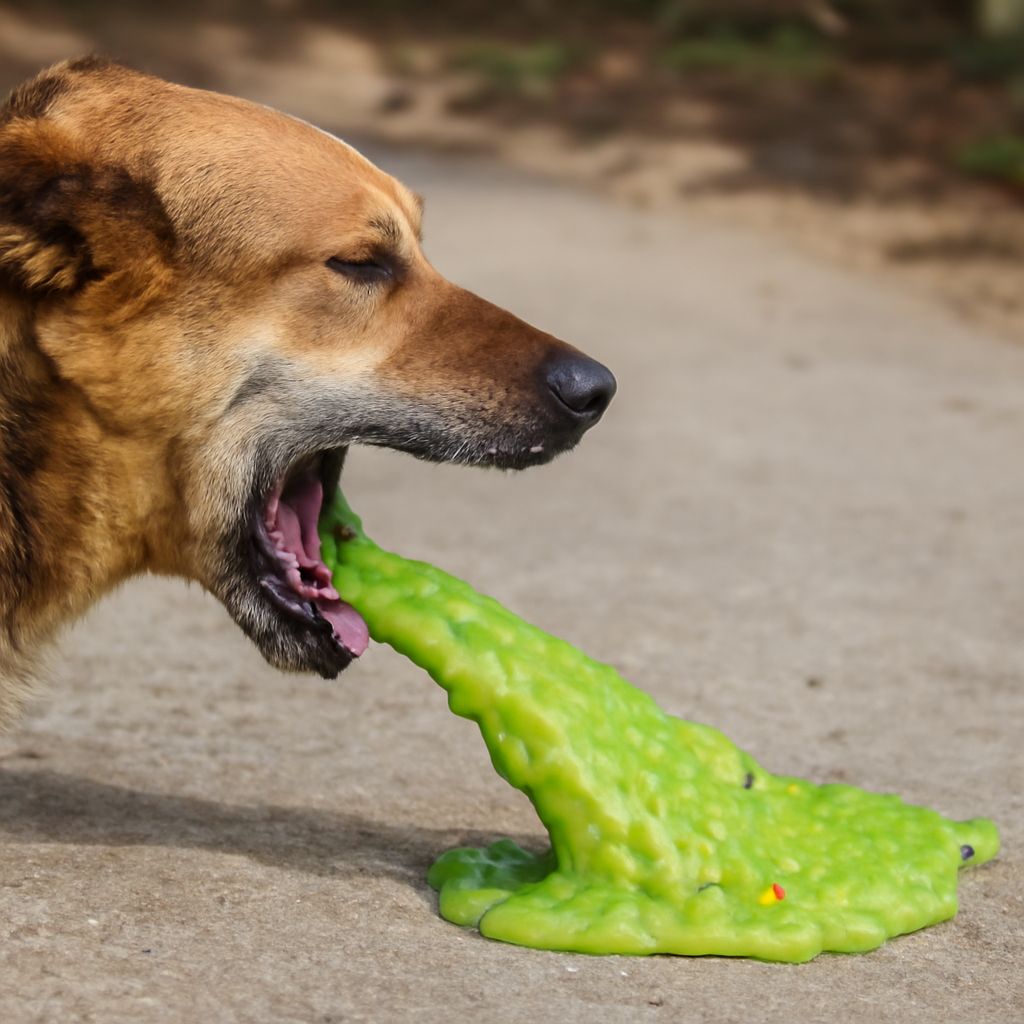
When it comes to dog care, few topics are as misunderstood as yellow dog poop. Many owners panic at the sight of mustard yellow dog poop, assuming the worst about their pet’s health. In reality, dog yellow diarrhea can stem from a variety of causes, ranging from dietary factors to more serious health conditions. It’s crucial to understand what dog yellow diarrhea with mucus indicates and when to take immediate action.
Though alarming, yellow diarrhea in dogs can often be resolved with proper care and attention. By knowing what to do if your dog has yellow diarrhea with mucus, you can provide the necessary support and ensure your pet’s digestive health remains optimal. Let’s delve deeper into the causes and solutions for these issues.
What Causes Yellow Dog Poop?
Dietary Factors Leading to Yellow Dog Poop
One common reason for yellow dog poop is dietary changes. A dog’s digestive system might react to new foods, particularly if they contain artificial coloring or unusual ingredients. The introduction of different treats or meals can lead to a change in poop color as the digestive process adapts. Switching to a diet rich in certain grains or poultry can also impact the stool’s color, turning it yellow.
Health Issues Behind Dog Yellow Diarrhea
Yellow diarrhea in dogs may indicate underlying health problems. Conditions such as liver dysfunction or pancreatic disorders can result in yellow stools. These organs play a crucial role in digestion and any impairment can manifest in the stool’s appearance. Furthermore, infections and parasites can cause dog yellow diarrhea with mucus, signaling a more serious issue that warrants attention.
When to Worry About Mustard Yellow Dog Poop
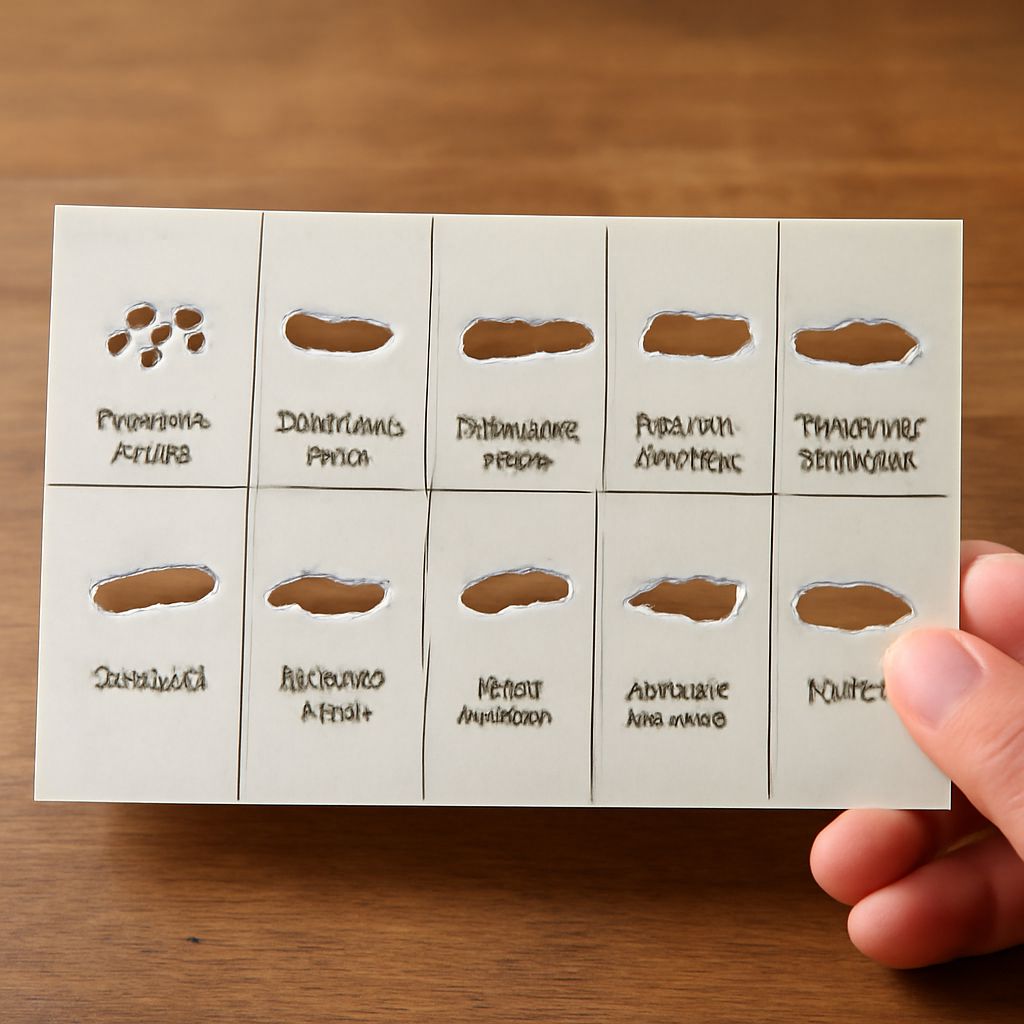
Not all yellow dog poop is a cause for concern. However, if the mustard yellow dog poop is accompanied by additional signs like lethargy, vomiting, or a persistent bad odor, it is advisable to consult a veterinarian. Chronic yellow diarrhea or the presence of mucus, especially if it recurs frequently, should not be ignored as it might represent a more severe condition.
How to Address Yellow Diarrhea in Dogs
Immediate Steps to Take
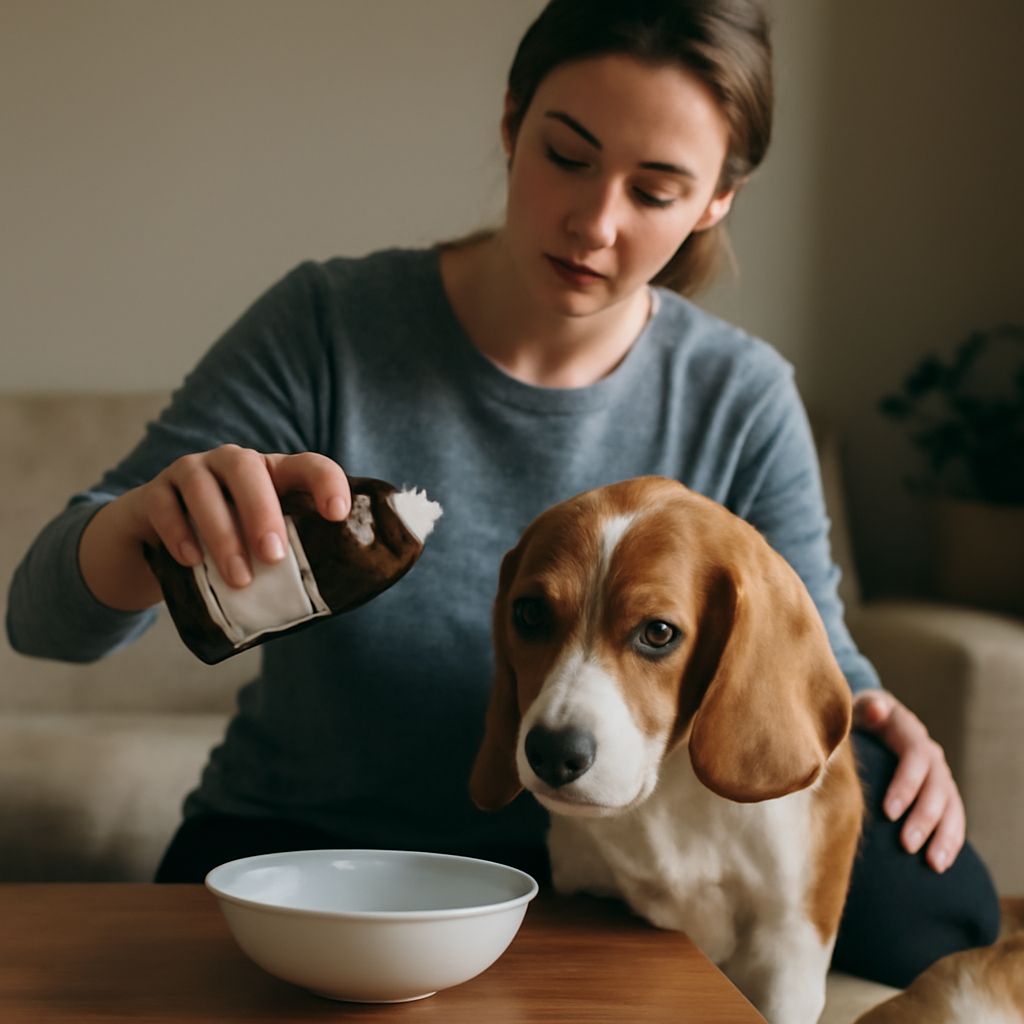
When you notice yellow diarrhea in your dog, start by withholding food for a brief period to allow the digestive system to stabilize. Ensure your pet stays hydrated, as dehydration can exacerbate the problem. It’s important to monitor the dog’s behavior and stool consistency closely during this time.
Dietary Adjustments and Care
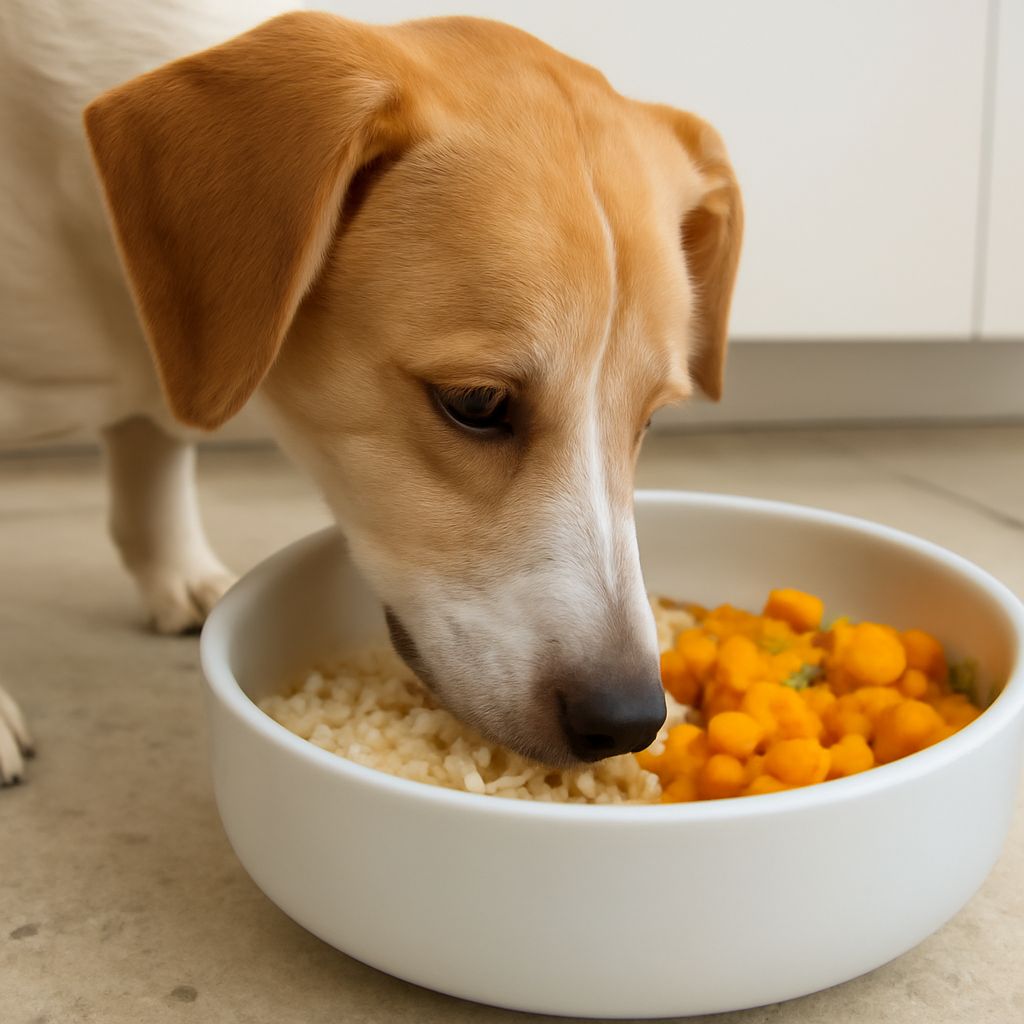
After the initial period, introduce a bland diet consisting of boiled chicken and rice to soothe the digestive tract. Avoid foods known to cause irritation or allergy in dogs. Gradually reintroduce regular meals, observing any changes in stool color or consistency. This approach helps determine if the diet is the source of the issue.
Consulting a Veterinarian
If the yellow diarrhea persists or is accompanied by other troubling symptoms, seek professional veterinary advice. A licensed veterinarian can offer diagnostic tests to detect any potential disorders or infections causing the yellow stool. Early intervention can prevent the development of severe digestive issues.
What About Yellow Dog Collars?
Choosing the Right Yellow Dog Collar
While yellow dog collars are unrelated to digestive health, choosing the right collar is important for your dog’s safety and comfort. Ensure the collar fits well and is made from durable materials to withstand daily wear. A good collar supports identification and safety during walks or outdoor activities.
Significance of Collar Color in Dog Health
The color of a dog’s collar might not impact health directly, but it can serve as a visual cue for owners and others. Bright colors, like yellow, can make it easier to spot your dog in various environments, providing an added layer of security. Collar color choice is more about personal preference than health implications.
Safety Recap: When dealing with yellow diarrhea, proper care is vital. If the issues persist, consult a licensed veterinarian to ensure your dog’s health is not compromised. Always prioritize hydration and appropriate dietary adjustments to support recovery.