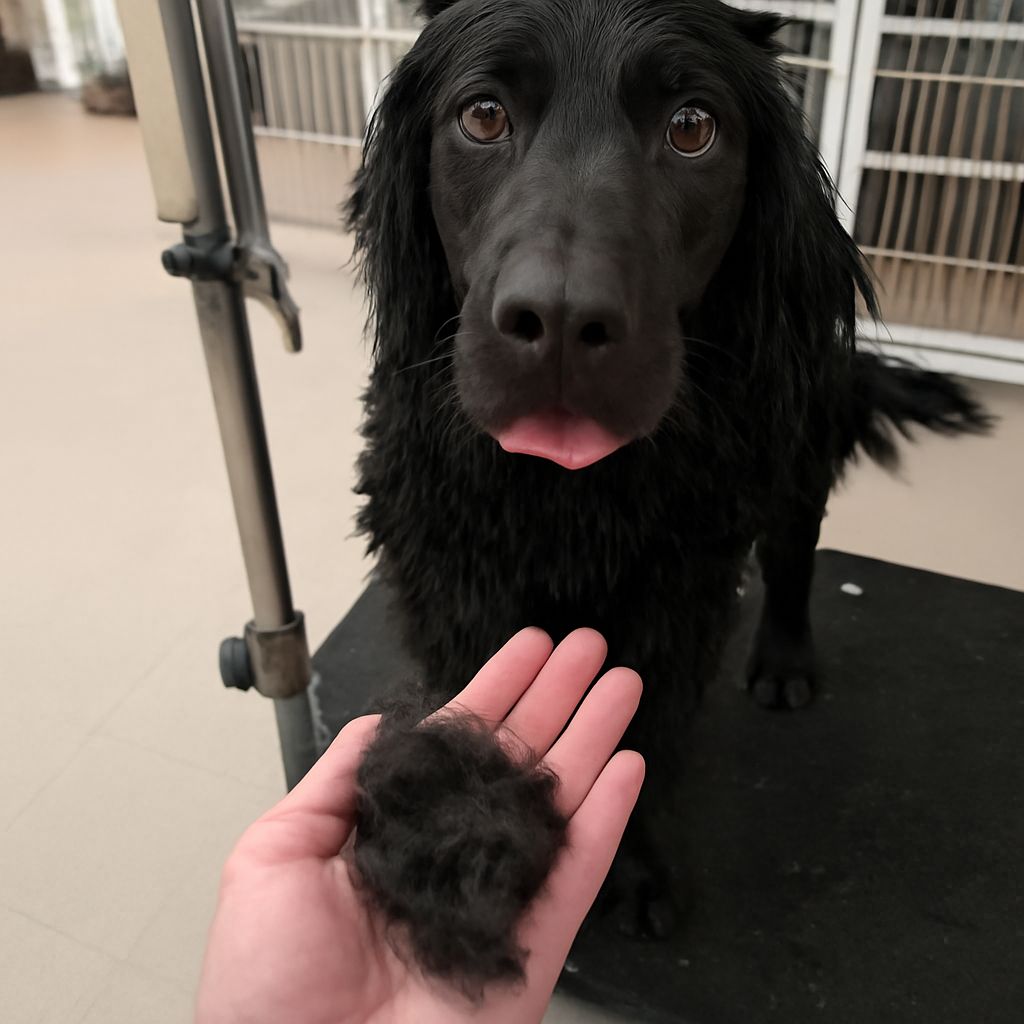
Many dog owners believe that grooming is only about making their furry friends look good. The reality is that a proper haircut can significantly impact a dog’s overall health and comfort. Understanding this, especially if your dog has a pulled muscle in the neck, becomes essential, as it can directly affect their well-being. Equally intriguing is the rising interest in exotic pets like rock hyrax, yet essential dog care knowledge remains indispensable for potential pet owners.
Before you dive into how to shave your dog safely, it’s crucial to dispel myths about grooming. Not all dogs require the same grooming routine, and knowing your pet’s specific needs can make a world of difference. This careful attention ensures that your efforts not only keep your dog looking sharp but also feeling their best.
What Are the Basics of Giving a Dog a Haircut?
Preparing Your Dog for a Haircut
Preparation is key to a successful dog haircut. Begin by acclimating your dog to being handled and the sound of grooming tools. Calmly pet your dog and gently hold the areas you plan to trim, reinforcing this experience with treats.
Essential Tools for a Dog Haircut
The right tools make all the difference. Invest in quality grooming clippers, scissors, and brushes. Ensure they are suitable for your dog’s fur type to prevent discomfort and achieve a smooth finish.
How to Shave Your Dog Safely
Step-by-Step Guide to Shaving Your Dog
Start by brushing out any tangles or mats to avoid snagging. Gradually introduce the clippers, using a recommended blade length for your dog’s coat. Work in sections, moving with the grain of the fur for optimal results.
Avoiding Common Mistakes While Shaving
Avoid shaving too close to the skin to prevent irritation. Regularly check the clipper blade’s temperature to avoid burns. If you’re unsure about specific techniques, consider consulting a licensed stylist.
What Are the Symptoms of a Dog Pulled Muscle in Neck?
Identifying Signs of Neck Pain in Dogs
Signs of a pulled muscle in a dog’s neck can include stiffness, reluctance to move, and noticeable discomfort when touched. Observing behavioral changes, such as whimpering or a limited range of motion, can also indicate pain.
When to Consult a Veterinarian
If symptoms persist or worsen, it is crucial to seek professional veterinary advice. A vet can accurately diagnose and recommend appropriate treatment options for your dog’s condition.
Can You Have a Rock Hyrax as a Pet?
Understanding Rock Hyrax Behavior
Though rock hyraxes appear similar to familiar pets, they are unique creatures. Known for their social nature, they require specific environmental conditions to thrive.
Legal Considerations and Care Requirements
Before acquiring a rock hyrax, research legal requirements in your area. These animals may require special permits and have distinct care needs that differ significantly from traditional pets.