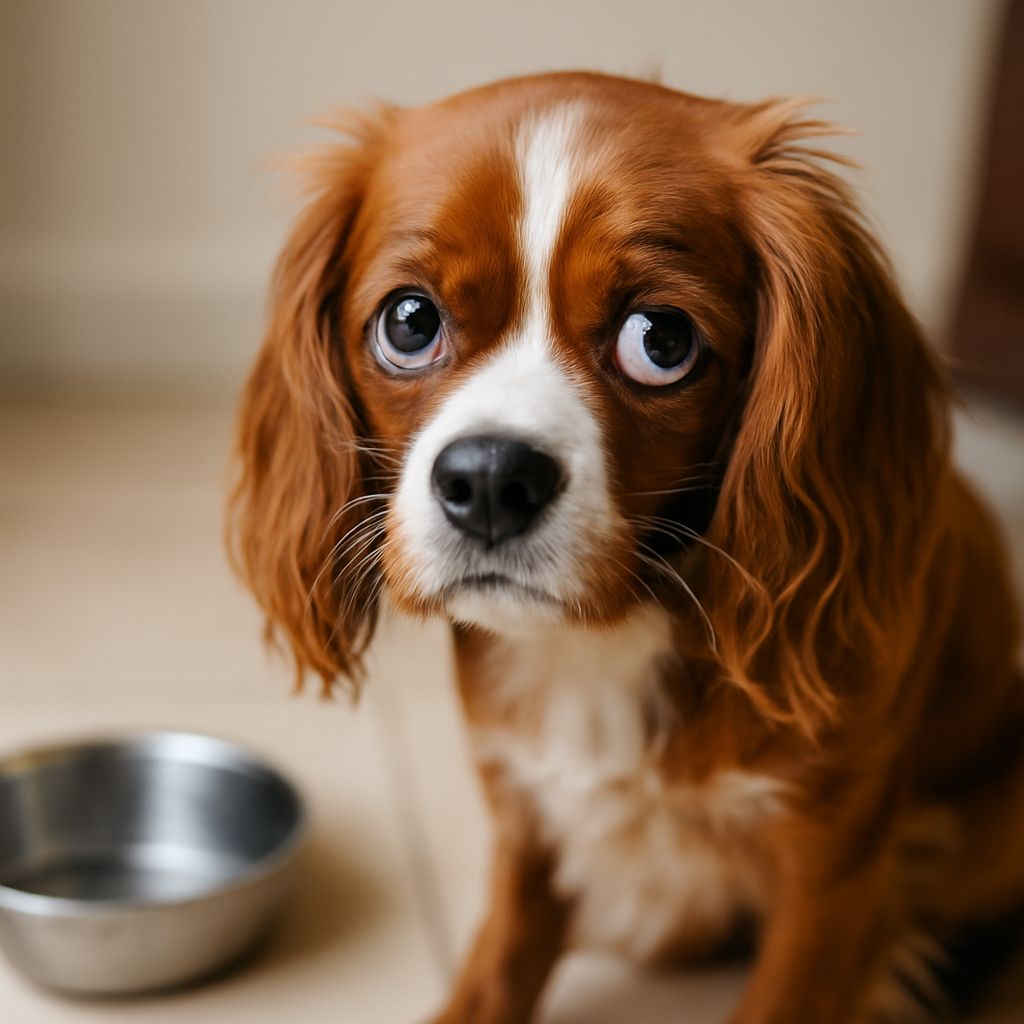
It can be quite concerning when you notice that your dog isn’t eating or drinking. You might find yourself thinking, “my dog won’t eat or drink,” and wonder if something is seriously wrong. However, it’s important to understand that occasional changes in appetite or thirst can be normal. Before jumping to conclusions, let’s explore some common reasons behind a dog not eating but seems fine and how you might address these issues effectively.
The phrase “my dog won’t eat or drink” doesn’t always point to a severe health problem. Oftentimes, the reasons can be as simple as minor stress or temporary environmental changes. That said, prolonged avoidance of food or water should not be ignored, as it can lead to more serious concerns over time. Understanding why this happens can guide you in determining the most appropriate course of action.
Why Won’t My Dog Eat or Drink?
Common Causes
When faced with the dilemma of a dog not eating, consider the more common causes first. Changes in environment, recent vaccinations, or a sudden shift in diet can contribute to a temporary loss of appetite. Dogs are creatures of habit, and even minor changes can make them hesitate to eat or drink.
Stress and Anxiety
Just like humans, dogs can experience stress and anxiety, which often manifests in their eating and drinking habits. If your pet feels anxious due to loud noises, separation from their owner, or other stressful situations, it might result in a dog not drinking or eating properly.
Health Issues
Health problems can be a more serious reason why a dog won’t eat or drink. Dental issues, gastrointestinal disturbances, or infections might be at play. If you suspect health issues are causing your pet to refuse sustenance, it’s crucial to monitor other symptoms and consult a veterinarian if the behavior persists.
What Should I Do if My Dog Won’t Eat or Drink?
Immediate Steps to Take
If your dog suddenly stops eating or drinking, start by checking their environment. Ensure their food and water bowls are clean, and the food is fresh. Sometimes, offering a little warm water over dry food can make it more appealing. If stress is the culprit, create a calm and safe space for your pet.
When to Consult a Vet
If your dog remains uninterested in food or water beyond 24 hours, it’s time to consult a veterinarian. Prolonged periods of not eating or drinking can lead to dehydration and other health complications. A veterinary professional can help diagnose and treat any underlying medical conditions effectively.
How Can I Encourage My Dog to Eat and Drink?
Feeding Tips
To encourage your dog to eat, try serving a mix of wet and dry food. The texture and aroma might entice your dog back to their bowl. Consider warming the food slightly to enhance its aroma. Always ensure that the food is appropriate for your dog’s age and dietary needs.
Hydration Tips
Keeping your dog hydrated is crucial. If your dog not drinking water seems to be persistent, offer ice cubes to lick or add a little low-sodium chicken broth to the water to make it more appealing. Regularly changing the water to keep it fresh can also encourage drinking.