Many people are intrigued by the idea of owning a serval cat, but misconceptions often cloud the reality of keeping servals as pets. Contrary to popular belief, a serval cat pet requires more than just the usual cat care. It’s crucial to understand that these animals, with their exotic appearance and wild nature, demand specific attention and expertise. Serval pet ownership is not just about having a unique pet; it involves a commitment to understanding their needs and legal considerations.
Servals as pets can be rewarding but also present unique challenges. Before deciding to bring a serval into your home, it’s essential to learn about pet serval care. This includes their dietary needs, the environment they require, and the potential pros and cons of having a serval as pet. An informed decision will help ensure that the serval can thrive in a domestic setting.
What is a Serval Cat Pet?
Characteristics of Serval Cats
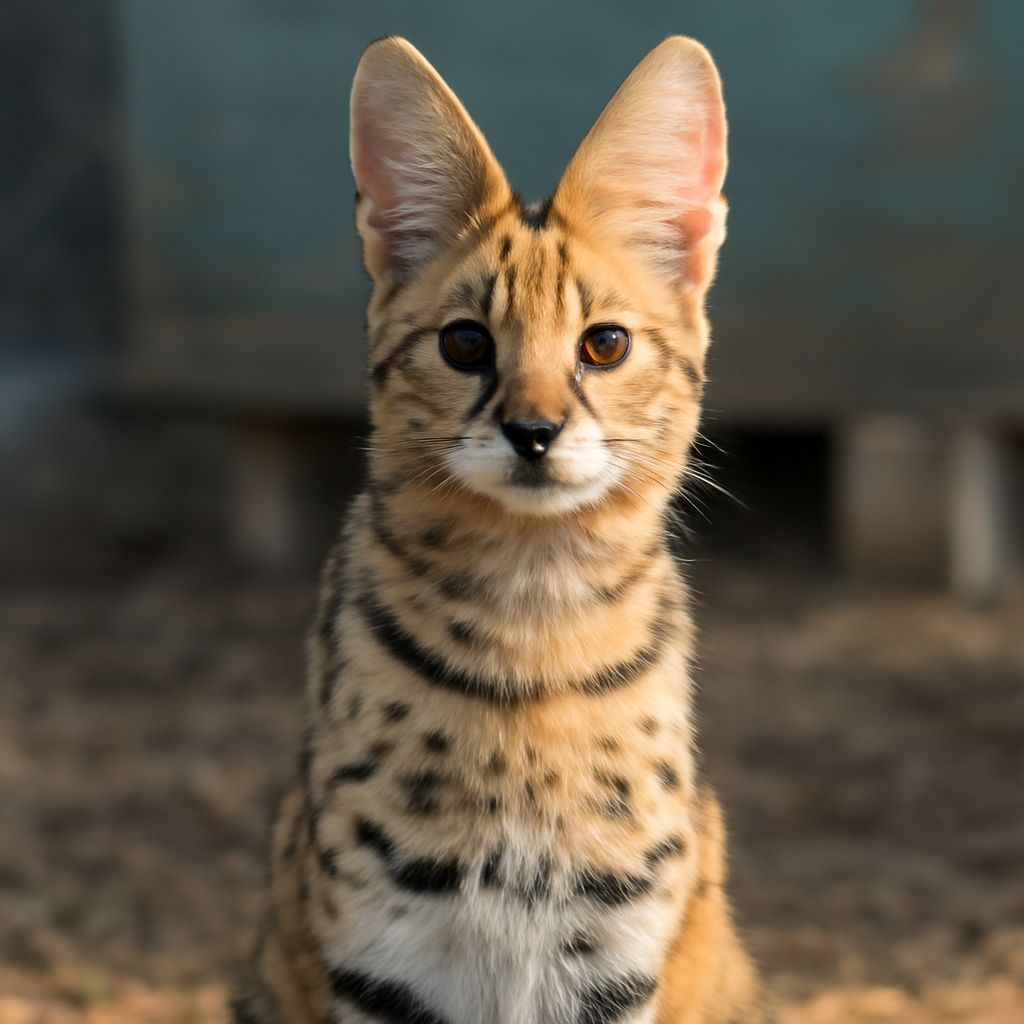
Serval cats are known for their striking appearance, characterized by a slender body, long legs, and large ears. These wild cats have a golden-yellow coat with distinctive black spots and stripes. While visually captivating, their temperament is distinctly different from domestic cats. Servals are naturally more active and require ample space to roam and exercise.
Natural Habitat and Behavior
In the wild, servals are native to the savannas of Africa. They are solitary animals known for their excellent hunting skills, often preying on rodents, birds, and insects. Their natural behavior involves leaping and climbing, which are activities that should be encouraged even when they are kept as pets. Understanding a serval’s instinctual needs is crucial for anyone considering serval pet ownership.
Can Servals Be Kept as Pets?
Legal Considerations for Serval Ownership
Before considering a serval as a pet, it’s imperative to check local regulations. Many regions have specific laws regarding exotic animal ownership. Legal restrictions may vary widely, with some areas requiring special permits or outright prohibiting serval ownership. Prospective pet owners should consult local wildlife authorities to ensure compliance with all legal requirements.
Pros and Cons of Having a Serval as Pet
The appeal of owning a serval includes their exotic beauty and the unique experience of caring for a wild animal. However, there are significant challenges, such as their space requirements, dietary needs, and temperament. Servals are not typically suited for families with small children due to their unpredictable nature. Evaluating both the benefits and drawbacks is crucial before committing to serval pet ownership.
How to Care for Your Pet Serval
Dietary Needs of Pet Servals
Servals require a diet that closely mimics their natural intake, primarily consisting of whole prey items. This includes high-protein sources such as rodents and birds, supplemented with vitamins and minerals. Providing a balanced diet is key to maintaining their health and vitality.
Creating a Suitable Home Environment
Creating a suitable environment for a serval involves providing a large, secure outdoor enclosure where they can climb and explore. Enrichment activities, such as interactive toys and climbing structures, are essential to simulate their natural behaviors. Ensuring a stimulating environment helps to keep a pet serval both physically and mentally healthy.
Challenges of Keeping Servals as Pets
Socialization and Training
Servals require consistent socialization and training from an early age to adapt to domestic life. Training should focus on establishing boundaries and encouraging positive interactions. It’s important to work with a professional experienced in exotic animal behavior to address any socialization challenges that may arise.
Health and Veterinary Care
Regular veterinary care is essential for serval pets, including vaccinations and health check-ups. Finding a vet experienced with exotic animals is crucial, as servals may have health issues that differ from domestic cats. Owners should be prepared for the potential costs and responsibilities associated with maintaining a serval’s health.
Bottom line: Owning a serval cat pet can be a rewarding experience for those prepared for the commitment. Proper education and preparation are essential to meet the unique needs of these exotic animals. Always consult with professionals when addressing complex care or behavioral issues.